

What's Happening?
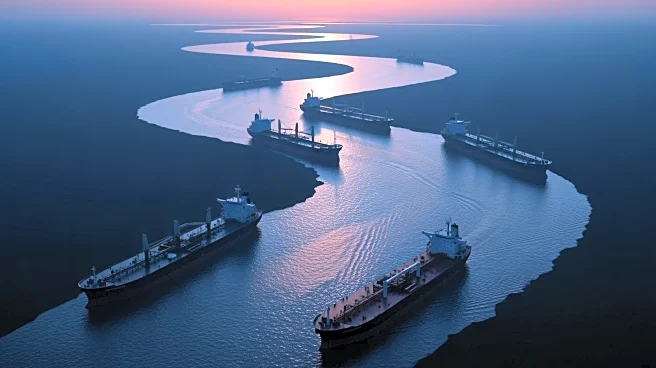
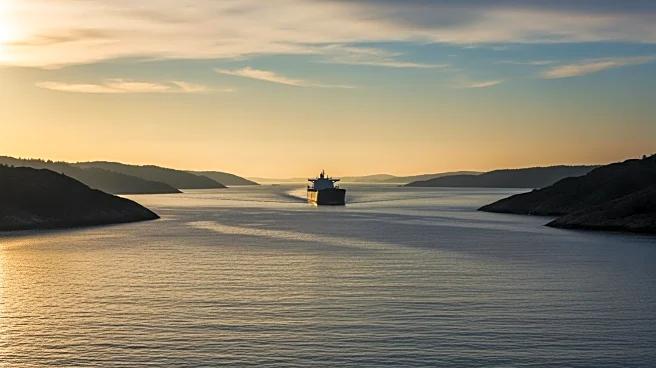
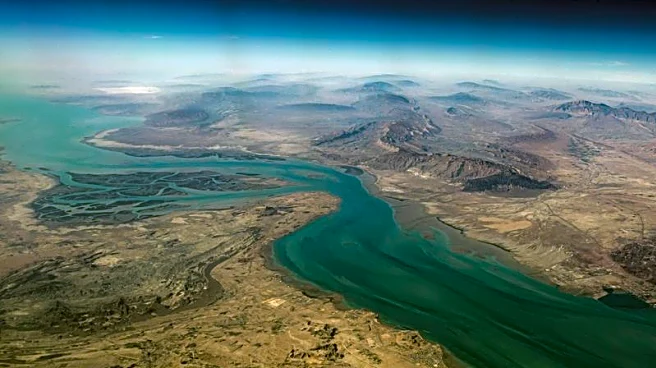
China is exerting pressure on Iran to keep the Strait of Hormuz open for oil and LNG shipments, amid tensions that threaten to disrupt global energy supplies. The strait is a critical passage for energy exports from the Middle East to China, which relies
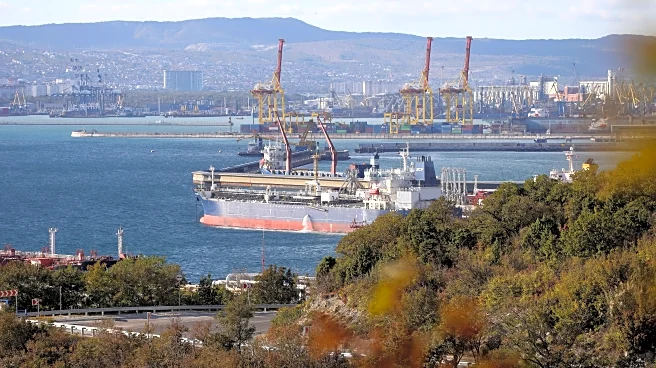
heavily on these imports. Iran has claimed the strait is closed, but the U.S. Central Command disputes this, stating it remains open. The situation has already led to disruptions, with oil tankers diverting routes, increased freight rates, and halted LNG production in Qatar. China's diplomatic efforts aim to prevent further escalation and ensure the stability of energy flows.
Why It's Important?
The Strait of Hormuz is a vital chokepoint for global oil and gas transportation, and any disruption could have significant implications for international energy markets. China's involvement highlights the interconnectedness of global energy supply chains and the potential economic impact of geopolitical tensions. The situation underscores the importance of diplomatic efforts to maintain open trade routes and prevent regional conflicts from affecting global economic stability. It also reflects the strategic importance of the Middle East in global energy security and the need for international cooperation to address such challenges.
What's Next?
Diplomatic negotiations are likely to continue as China and other stakeholders seek to ensure the Strait of Hormuz remains open. The situation may prompt discussions on alternative energy routes and increased investment in energy security measures. Additionally, there could be a focus on reducing dependency on Middle Eastern oil through diversification of energy sources and increased use of renewable energy. The outcome of these negotiations will be closely watched by global markets, as any resolution or escalation could have significant economic repercussions.