








What's Happening?
The Saving Agriculture’s Workforce Act, introduced by House Agriculture Committee Chairman GT Thompson, seeks to address labor challenges in the agriculture sector by allowing for year-round employment of workers. This bill aims to provide greater certainty
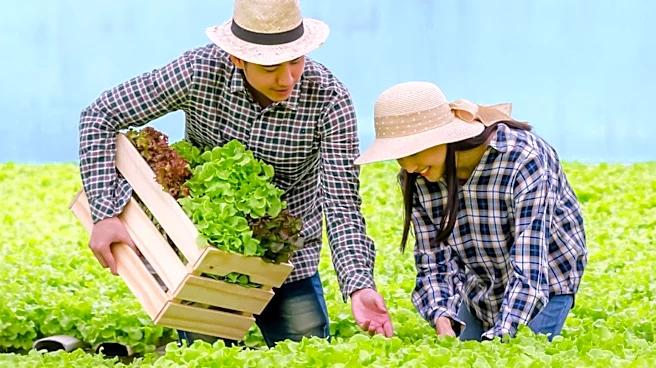
around wages and reduce administrative burdens for employers. It has garnered support from over 400 agricultural organizations, indicating a broad consensus within the industry. The bill also proposes changes to the definition of seasonal work, expanding opportunities for employment in sectors like mushroom production, dairies, and greenhouse operations.
Why It's Important?
The agriculture industry in the U.S. faces significant labor shortages, which can impact food production and supply chains. By allowing for year-round employment, the bill could help stabilize the workforce and ensure a steady supply of labor for various agricultural operations. This is crucial for maintaining domestic food production and supporting family farms. The bill's provisions to control wage escalation could also help keep agricultural operations financially viable, preventing runaway costs that could threaten the industry's sustainability.
What's Next?
The bill will undergo further legislative scrutiny and debate as it moves through Congress. Stakeholders in the agriculture industry will likely continue to advocate for its passage, emphasizing the need for a stable and reliable workforce. If enacted, the bill could lead to significant changes in how agricultural labor is managed, potentially setting a precedent for future labor policies in the sector.
Beyond the Headlines
The bill reflects ongoing efforts to modernize agricultural labor policies in response to changing economic and environmental conditions. It highlights the need for policies that balance the interests of employers, workers, and consumers while ensuring the sustainability of the agriculture industry. The collaboration among diverse agricultural organizations suggests a growing recognition of the interconnectedness of labor issues across different sectors of agriculture.