

What's Happening?
Vice President JD Vance has criticized the 'far left' for the unrest surrounding the White House's immigration enforcement efforts. During a visit to Minneapolis, a city that has become a focal point for protests against the Trump administration's immigration policies,
Vance defended the actions of Immigration and Customs Enforcement (ICE) agents. The protests intensified after an ICE agent fatally shot Renee Good, a mother of three, during a confrontation. Vance described Good's death as a 'tragedy of her own making' and supported the arrest of protesters who disrupted a church service. He emphasized the right to worship without interruption and indicated that further prosecutions are expected. Meanwhile, local faith leaders, labor unions, and businesses are organizing a day of protests against the administration's crackdown, with nearly 600 businesses planning to shut down in solidarity.
Why It's Important?
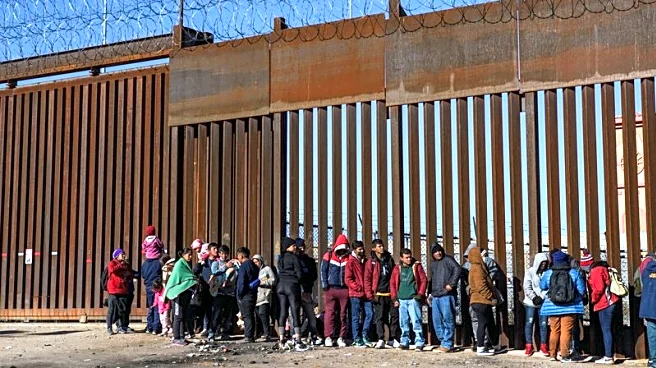
The situation in Minneapolis highlights the ongoing national debate over immigration enforcement and civil liberties. The Trump administration's aggressive immigration policies have sparked significant backlash, particularly in cities with large immigrant populations. The protests and subsequent government response could influence public opinion and voter behavior, especially in the context of upcoming elections. The administration's stance on immigration is a key issue that could impact its relationship with local governments and communities. Additionally, the assertion of federal authority to enter homes without a warrant raises constitutional concerns and could lead to legal challenges, affecting the broader discourse on civil rights and government power.
What's Next?
As protests continue, the administration may face increased pressure from civil rights groups and local governments to reconsider its immigration policies. The planned day of protests in Minneapolis and solidarity events across the country could amplify calls for policy changes. Legal challenges may arise regarding the federal government's authority to enter homes without warrants, potentially leading to court battles. The administration's handling of these issues could have implications for its political standing and influence future immigration policy debates.