






What's Happening?
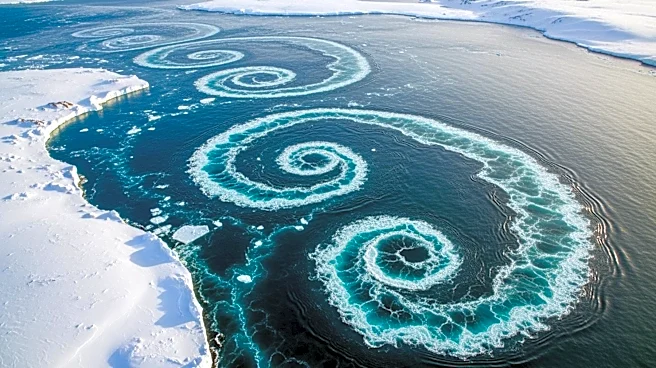
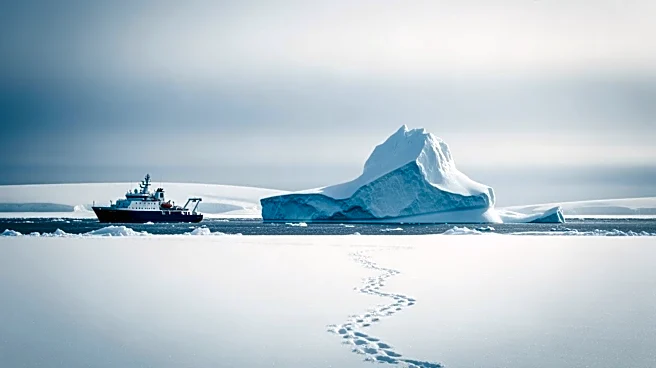
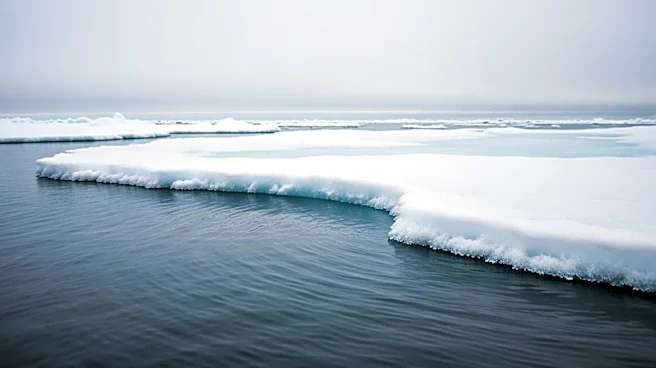
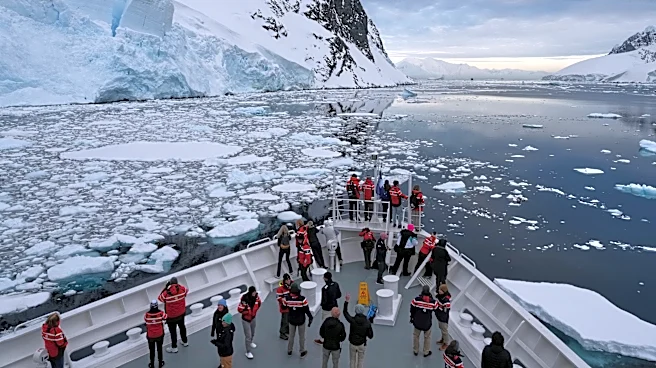
Antarctic sea ice has been experiencing a significant decline, reaching record lows in 2022 and 2023. This trend has been attributed to a combination of intensifying winds and warming ocean waters, which have disrupted the balance of the surrounding ocean.
The decline in sea ice has exposed coastal ice sheets and glaciers to warmer conditions, increasing their vulnerability to melting. The loss of sea ice also reduces the Earth's ability to reflect solar energy, leading to further warming as the darker ocean absorbs more heat. Scientists have been studying these changes to understand the underlying causes and potential future impacts.
Why It's Important?
The decline in Antarctic sea ice has far-reaching implications for global climate patterns. As sea ice diminishes, it destabilizes ocean currents that play a crucial role in storing heat and carbon, potentially accelerating global warming. The exposure of ice sheets and glaciers to warmer waters could lead to increased sea level rise, affecting coastal communities worldwide. Understanding the drivers of sea ice loss is essential for predicting future climate scenarios and developing strategies to mitigate the impacts of climate change. The findings highlight the interconnectedness of global climate systems and the urgent need for comprehensive climate action.
What's Next?
Scientists continue to monitor the situation in Antarctica to better understand the long-term implications of sea ice decline. Research efforts are focused on clarifying the processes driving these changes and assessing the potential for recovery. The study suggests that if current trends persist, the ocean could transition from a climate stabilizer to a driver of global warming. This underscores the importance of international cooperation in addressing climate change and implementing policies to reduce greenhouse gas emissions. Ongoing research will be crucial in informing policy decisions and guiding global efforts to combat climate change.