






What's Happening?
Grand Central Atelier (GCA) has announced an opening for a Bruce Cole Postdoctoral Instructor in Art History, a two-year appointment within the Bruce Cole Humanities Initiative. This initiative honors the late Bruce Cole, who was a former Chairman of
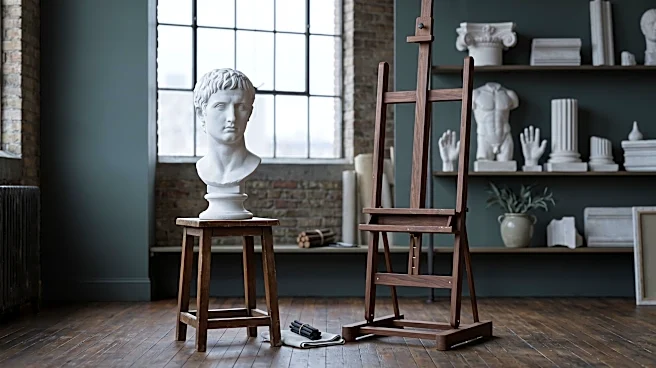
the National Endowment for the Humanities and a significant American art historian. The position, based in New York, NY, may begin in Spring or Fall 2027. The Bruce Cole Humanities Initiative aims to integrate art history and cultural history directly with studio practice through two postdoctoral instructorships, weekly studio lectures, a public lecture series, and a capstone symposium. The selected instructor will serve as a central intellectual voice, pursuing independent scholarly work, co-editing the Initiative’s online journal of art history and criticism, teaching within the GCA curriculum, and engaging with research on classical realism under the supervision of painter and scholar Jacob Collins. GCA is recognized as a leading center in the United States for the rigorous study of classical drawing, painting, and sculpture, training artists in methods from the Renaissance to the 19th century.
Why It's Important?
This postdoctoral position and the Bruce Cole Humanities Initiative are significant for several reasons. Firstly, they honor the legacy of Bruce Cole, a prominent figure in American art history and humanities, by continuing his commitment to scholarly rigor and public engagement. Secondly, the initiative bridges the gap between academic art history and practical studio art, fostering a deeper understanding and appreciation of classical traditions among contemporary artists. This integration is crucial for preserving and evolving traditional art forms in the United States. Thirdly, by supporting scholarly work and public lectures, the initiative contributes to the broader intellectual discourse on art and culture, making art history accessible to a wider audience. This helps to cultivate a more informed public and a more robust art community, ensuring that classical art education remains vibrant and relevant in the modern era. The initiative also provides a unique opportunity for scholars to work directly with artists, enriching both academic and creative practices.
What's Next?
Grand Central Atelier will proceed with the application and selection process for the Bruce Cole Postdoctoral Instructor position, with the appointment potentially starting in Spring or Fall 2027. The successful candidate will begin their two-year term, contributing to the Bruce Cole Humanities Initiative through scholarly work, teaching, and editorial responsibilities. The Initiative will continue to host weekly studio lectures, a public lecture series, and a capstone symposium, all designed to foster dialogue between art history and studio practice. GCA will likely seek to expand the reach and impact of the Initiative, potentially through further publications, collaborations, and public engagement events. The ongoing success of this program could serve as a model for other art institutions looking to integrate academic and practical artistic training, further solidifying the importance of classical art education in the United States.
Beyond the Headlines
The Bruce Cole Humanities Initiative represents a deeper commitment to the foundational principles of art education, emphasizing the historical and theoretical underpinnings of artistic practice. In a contemporary art world often characterized by rapid shifts and diverse movements, initiatives like this provide a crucial anchor to classical traditions, ensuring that fundamental skills and knowledge are not lost. This focus on classical realism and the integration of art history into studio work can lead to a more nuanced and informed artistic output, enriching the cultural landscape. Furthermore, by honoring Bruce Cole, the initiative implicitly advocates for the continued importance of federal support for the humanities, as exemplified by the National Endowment for the Humanities. It underscores the idea that a robust understanding of history and culture is essential not only for academic pursuits but also for the practical creation of art, fostering a more holistic approach to artistic development and appreciation.