







What's Happening?
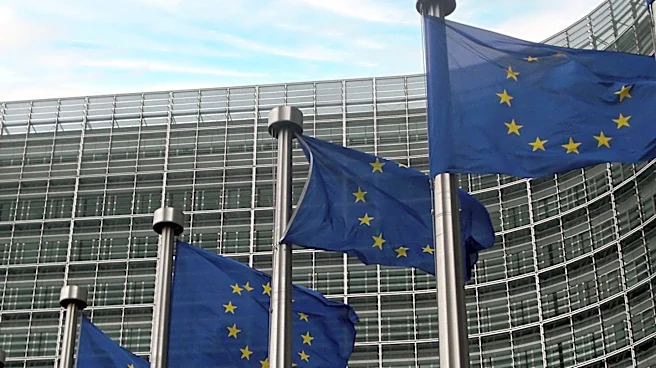
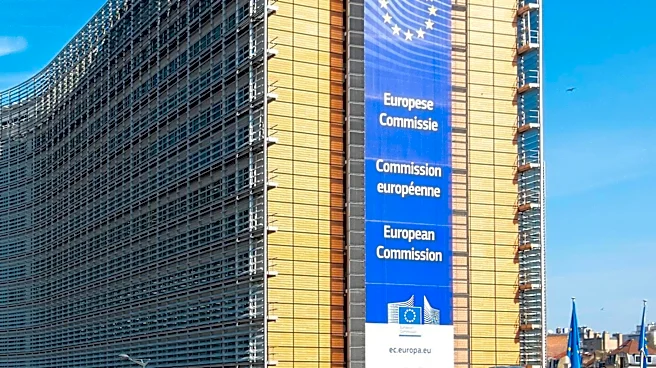
The European Union is taking a tougher stance on China to address trade imbalances that threaten European industries. EU Trade Commissioner Maros Sefcovic met with Chinese Commerce Minister Wang Wentao in Brussels to discuss measures aimed at limiting
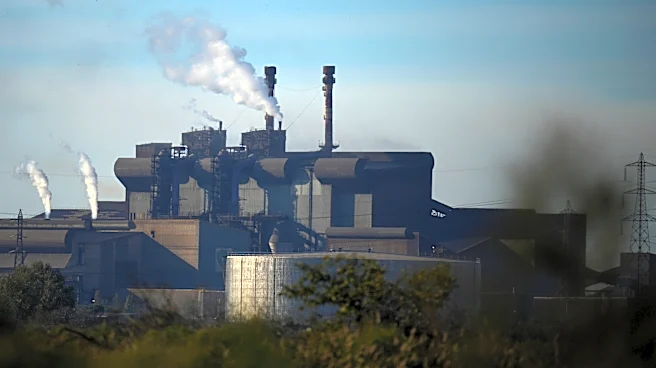
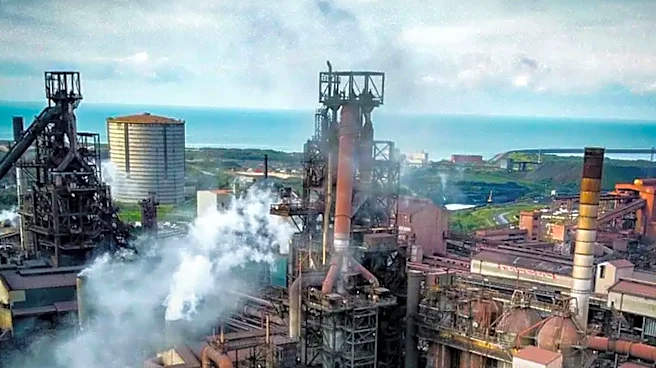
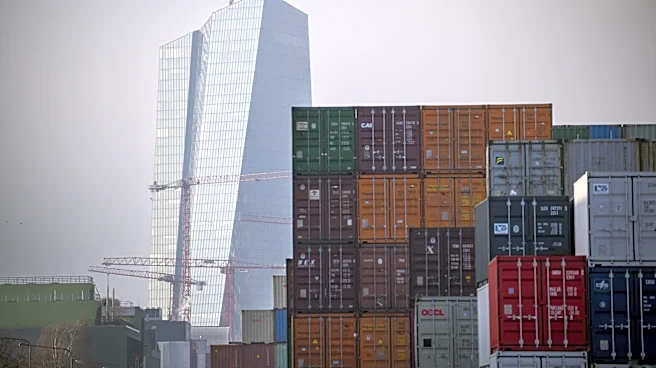
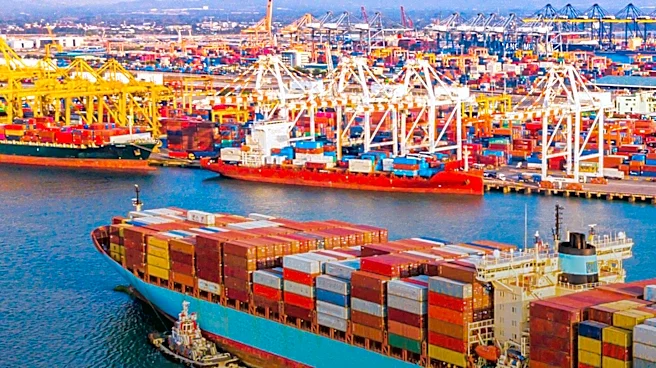
Chinese imports. The EU plans to implement several measures, including reducing duty-free quotas for imported steel and imposing customs charges on small parcels. These actions are part of a broader strategy to protect European industries from the influx of Chinese goods, which have been facilitated by China's industrial subsidies and economies of scale.
Why It's Important?
The EU's actions reflect growing concerns about the impact of Chinese imports on European industries, particularly in sectors like automotive and technology. The trade imbalance has led to fears of deindustrialization in Europe, as Chinese companies gain market share in critical sectors. By implementing protective measures, the EU aims to safeguard domestic industries and jobs. The outcome of these negotiations could have significant implications for global trade dynamics and the EU's economic relationship with China. The EU's approach also signals a shift towards more assertive trade policies in response to global economic challenges.
What's Next?
The EU and China have agreed to continue negotiations, with the next round scheduled for October. The EU hopes to secure meaningful concessions from China to maintain access to the European market while avoiding a full-blown trade war. The establishment of a joint trade monitoring mechanism is expected to enhance transparency and manage trade frictions. The EU's actions will be closely watched by other global trading partners, as they could influence future trade policies and negotiations.