



What's Happening?
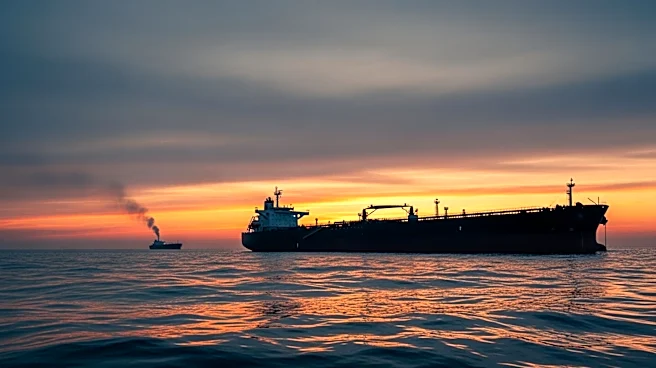
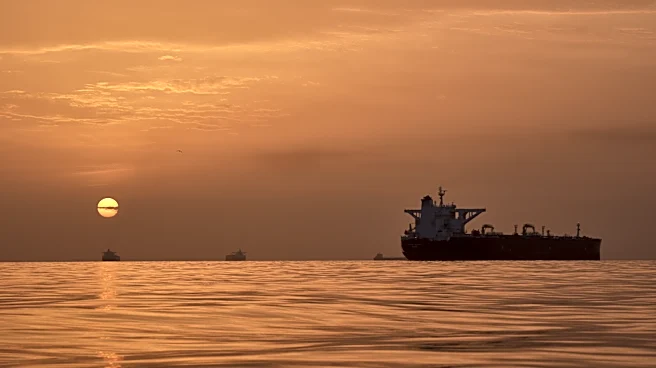
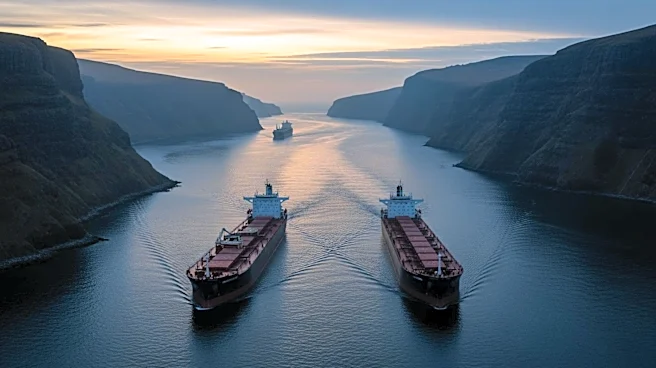
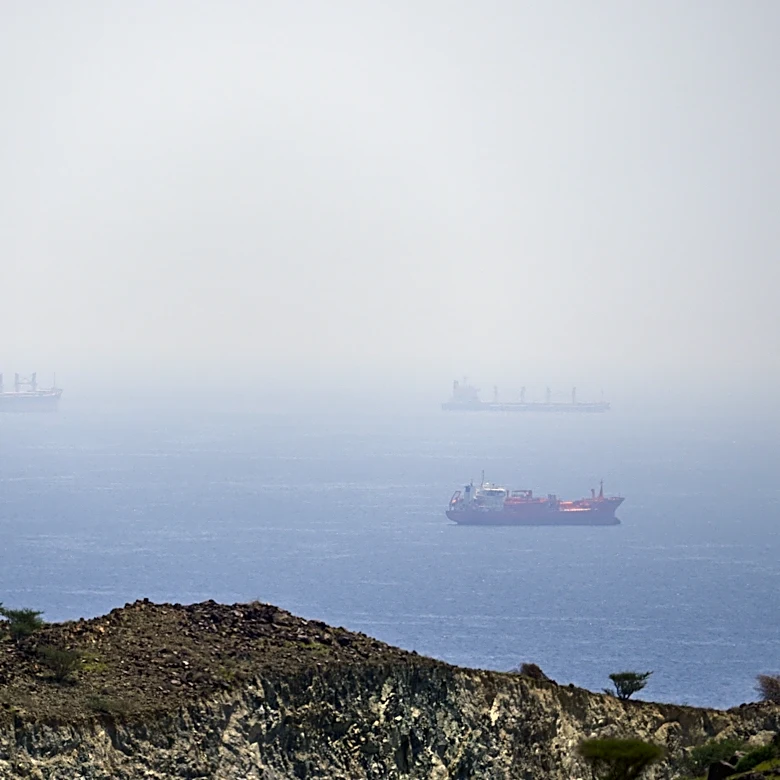
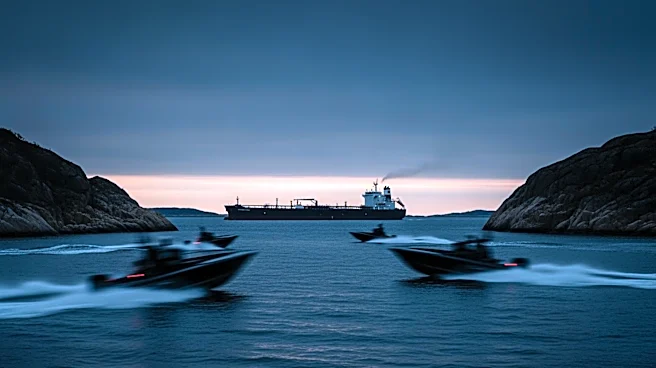
The United States and Iran are experiencing heightened tensions following the U.S. military's actions in the Gulf of Oman. The U.S. Navy reportedly seized an Iranian-flagged cargo ship, the Touska, which attempted to breach a U.S. naval blockade near
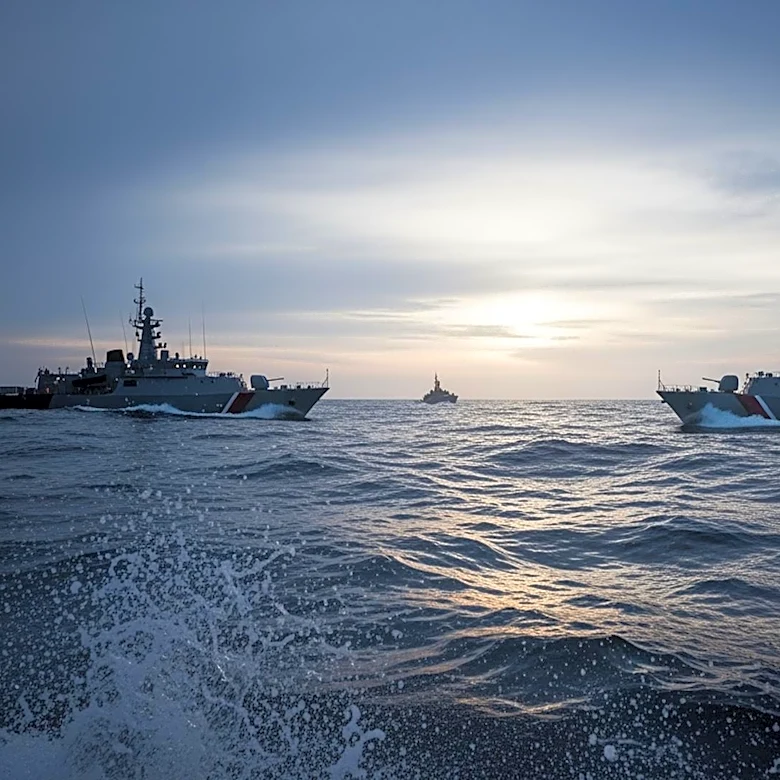
the Strait of Hormuz. The U.S. Central Command confirmed that the USS Spruance fired upon the vessel after it ignored warnings, leading to the ship's capture by U.S. Marines. This incident has prompted Iran to accuse the U.S. of violating a ceasefire agreement, with Iranian military officials vowing retaliation. The situation is further complicated by the U.S. President's announcement of sending officials to Pakistan for negotiations, despite Iran's refusal to participate in further peace talks due to what it perceives as excessive U.S. demands and the ongoing blockade.
Why It's Important?
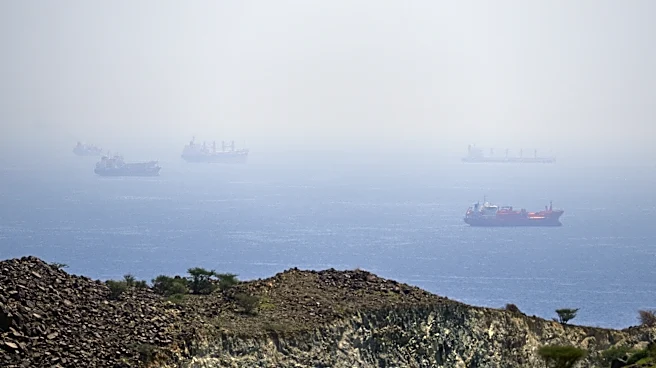
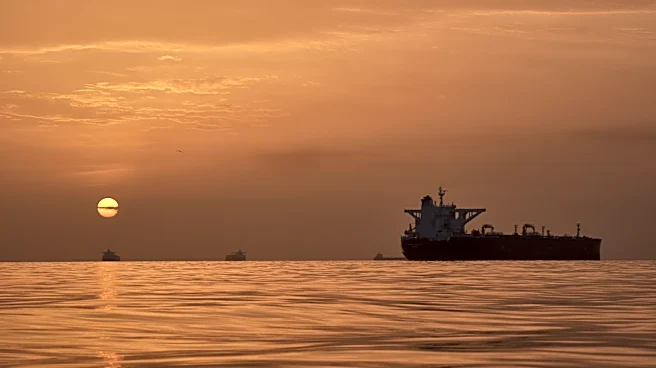
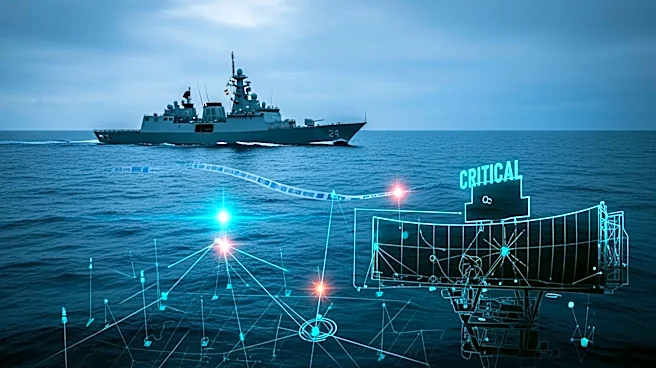
The blockade and subsequent military actions have significant implications for international trade and regional stability. The Strait of Hormuz is a critical chokepoint for global oil shipments, and any disruption can lead to increased oil prices and economic instability. The U.S. actions and Iran's response could escalate into broader military conflict, affecting not only the involved nations but also global markets and geopolitical alliances. The situation underscores the fragile nature of U.S.-Iran relations and the potential for miscalculation to lead to wider conflict. Stakeholders in the energy sector, international shipping, and global financial markets are particularly vulnerable to the outcomes of this standoff.
What's Next?
The U.S. delegation's planned trip to Pakistan for negotiations suggests a continued diplomatic effort to resolve the crisis, although Iran's current stance indicates a challenging path ahead. The international community, including allies and regional powers, may seek to mediate or influence the situation to prevent further escalation. Monitoring the responses from major oil-importing countries and international organizations will be crucial in assessing the potential for diplomatic resolution or further conflict. The U.S. and Iran's next moves will likely be influenced by both domestic pressures and international diplomatic efforts.
Beyond the Headlines
The ongoing tensions highlight the complex interplay of military strategy, international diplomacy, and economic interests in the region. The U.S. blockade and Iran's military posture reflect broader geopolitical struggles, including influence over Middle Eastern trade routes and energy resources. The situation also raises questions about the effectiveness of military blockades as a tool of foreign policy and the potential for unintended consequences in international relations. The incident may prompt discussions on international maritime law and the rights of nations to secure their economic interests while maintaining global peace.