


What's Happening?
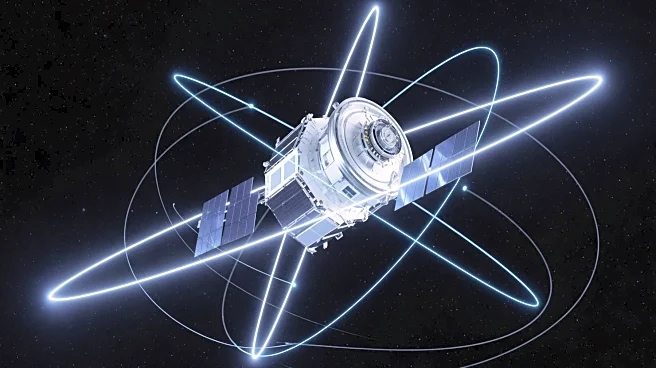
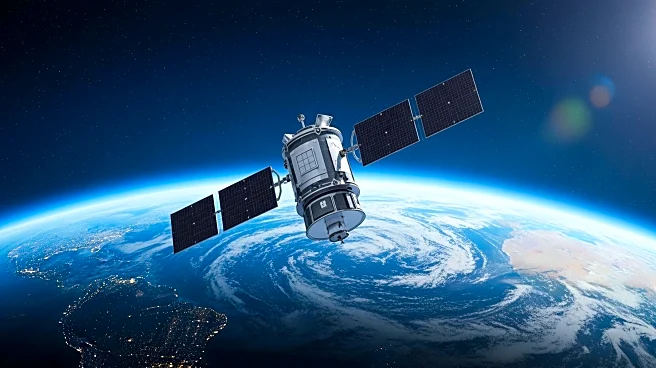
NASA's Plankton, Aerosol, Cloud, ocean Ecosystem (PACE) mission, launched in February 2024, recently celebrated its first anniversary with the PAC3 meeting held at NASA's Goddard Institute for Space Studies in New York City. The meeting, which took place
from February 18-21, 2025, brought together over 100 participants both in-person and virtually. The event consolidated the efforts of the PACE Postlaunch Airborne eXperiment (PACE-PAX), the PACE Science and Applications Team (SAT3), and the PACE Validation Science Team (PVST) to discuss the mission's progress and future plans. The PACE mission aims to enhance understanding of ocean and terrestrial ecosystems, aerosol-cloud interactions, and their impacts on the climate and carbon cycle. The meeting included updates on the mission's instruments, such as the Ocean Color Instrument (OCI), Hyper-Angular Rainbow Polarimeter #2 (HARP2), and Spectropolarimeter for Planetary Exploration (SPEXone), which are crucial for data collection and analysis.
Why It's Important?
The PACE mission is significant for its potential to advance Earth system science by providing critical data on ocean productivity, aerosol-cloud interactions, and harmful algal blooms. This information is vital for improving climate models and informing policy decisions related to environmental management and climate change mitigation. The mission's ability to integrate data from multiple instruments enhances the accuracy and reliability of scientific findings, which can lead to better understanding and management of natural resources. The collaboration between NASA and international partners, such as the European Space Agency and Japan Aerospace Exploration Agency, further strengthens the mission's impact by enabling cross-validation and shared scientific insights.
What's Next?
Following the PAC3 meeting, the PACE mission will continue to focus on data validation and integration into Earth system models. Future efforts will include refining data calibration processes, enhancing data accessibility for the scientific community, and developing predictive models for environmental phenomena such as harmful algal blooms. The mission's teams will also work on improving algorithm development and exploring new applications of PACE data in various scientific fields. These efforts aim to maximize the mission's contributions to global climate monitoring and environmental research.