






What's Happening?
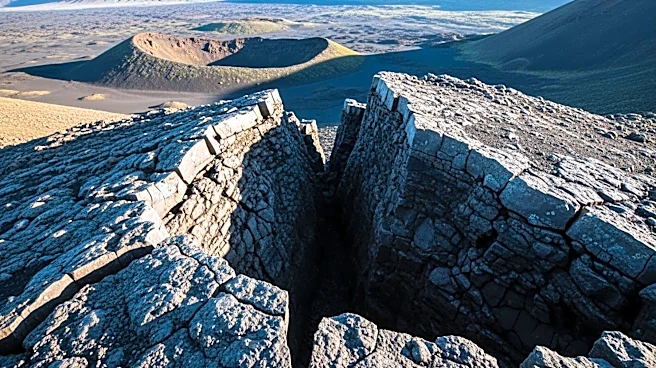
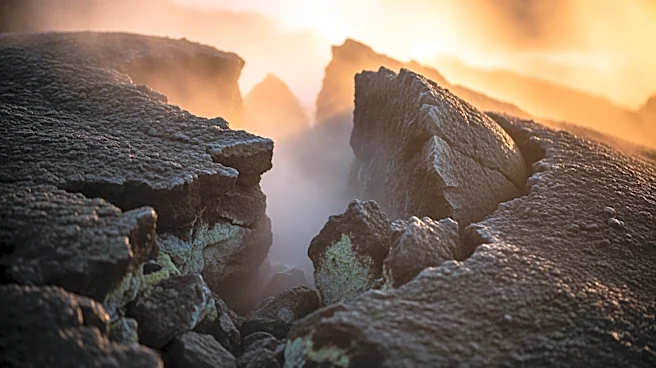
The region around Ahuachapán, El Salvador, is characterized by significant volcanic activity, with a landscape marked by craters, lava flows, and geothermal fields. This area is part of the Central American Volcanic Arc, which extends along the Pacific
coast from Guatemala to Panama. Notable features include the Santa Ana volcano, the tallest in the country, and the Izalco volcano, known historically as the 'Lighthouse of the Pacific.' Despite the hazards posed by volcanic activity, the region's geothermal resources have been harnessed for energy production, with the Ahuachapán Geothermal Power Plant providing a substantial portion of El Salvador's electricity since 1975.
Why It's Important?
The volcanic activity in Ahuachapán underscores the dual nature of natural hazards and resources. While the region faces risks from eruptions and steam explosions, the geothermal energy potential offers a sustainable and renewable energy source. This is particularly important for El Salvador, which has leveraged geothermal power to meet a significant portion of its energy needs, reducing reliance on fossil fuels and enhancing energy security. The development of geothermal resources also presents economic opportunities, potentially attracting investment and fostering technological innovation in renewable energy.
Beyond the Headlines
The use of geothermal energy in Ahuachapán reflects broader trends in renewable energy adoption and the challenges of balancing environmental risks with resource exploitation. The region's experience highlights the importance of careful management and monitoring of geothermal sites to mitigate hazards while maximizing energy production. Additionally, the integration of geothermal power into El Salvador's energy mix contributes to global efforts to combat climate change by reducing greenhouse gas emissions. The success of such initiatives could serve as a model for other countries with similar geothermal potential.