




What's Happening?
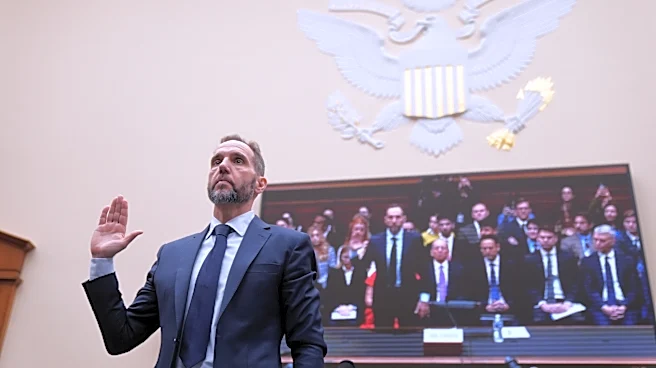
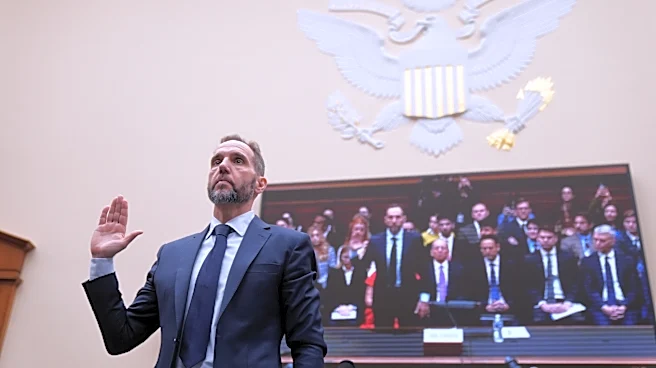
House Judiciary Chair Jim Jordan has sent a criminal referral to the Department of Justice, accusing former Special Counsel Jack Smith of perjury. The accusation stems from Smith's testimony before the committee, where he allegedly made false statements
regarding the acquisition of text message content from Members of Congress. Smith testified that he only sought toll records, not the content of messages. However, it was later revealed that Smith obtained some message content from the National Archives. Jordan's referral suggests that Smith's statements were intentionally misleading, potentially violating 18 U.S.C. § 1001, which pertains to making false statements to the government.
Why It's Important?
This development is significant as it highlights ongoing tensions between congressional Republicans and the Department of Justice. The accusation against Smith, a former Special Counsel, underscores the contentious nature of investigations involving high-profile political figures. If the DOJ pursues this referral, it could set a precedent for how testimony discrepancies are handled, potentially impacting future congressional hearings and testimonies. The case also raises questions about the interpretation of perjury laws, particularly concerning the obligation to disclose information not explicitly asked for during testimony.
What's Next?
The Department of Justice will need to decide whether to investigate the referral further. This decision could lead to legal proceedings against Smith, depending on the DOJ's interpretation of the alleged perjury. Political reactions are likely, with potential implications for the relationship between the DOJ and Congress. The outcome may influence how future testimonies are conducted and scrutinized, especially in politically charged environments.
Beyond the Headlines
The case brings to light the complexities of legal interpretations in congressional testimonies. It raises ethical questions about the responsibilities of witnesses to provide complete information and the potential misuse of legal standards for political purposes. The situation also reflects broader issues of trust and accountability in government institutions, which could have long-term effects on public perception and confidence in the justice system.