
What's Happening?
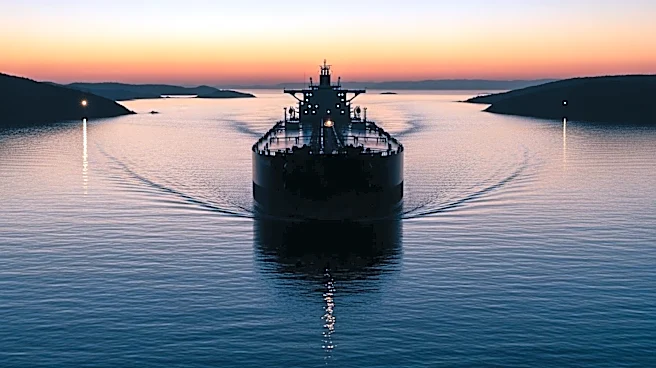
The U.S. blockade is increasingly threatening Iran's oil industry, as the country struggles to export its oil due to sanctions and military actions. The blockade has led to a significant slowdown in production,
with Iran potentially facing the need to shut down some of its oil wells. This situation arises as the U.S. Treasury Department intensifies sanctions on Iranian oil shipments, and the U.S. military has seized tankers believed to be carrying Iranian oil. The blockade is exacerbating the economic strain on Iran, which is already dealing with the impacts of war and long-standing international sanctions. Analysts suggest that Iran's oil storage capacity is nearing its limit, which could force further production cuts.
Why It's Important?
The blockade's impact on Iran's oil industry has significant implications for global energy markets and geopolitical stability. Iran's inability to export oil could lead to increased global oil prices, affecting economies worldwide. The situation also highlights the ongoing tensions between the U.S. and Iran, with potential repercussions for regional security in the Middle East. The blockade could further isolate Iran economically, potentially leading to domestic unrest and impacting the country's political landscape. Additionally, the long-term damage to Iran's oil infrastructure could have lasting effects on its economic recovery and development.
What's Next?
If the blockade continues, Iran may be forced to make difficult decisions regarding its oil production and economic strategy. The country could seek alternative markets or diplomatic solutions to alleviate the pressure. The international community, particularly countries reliant on Middle Eastern oil, may need to address the potential for increased oil prices and supply disruptions. The U.S. may face diplomatic challenges as it balances its strategic objectives with the potential for escalating tensions in the region.