



What's Happening?
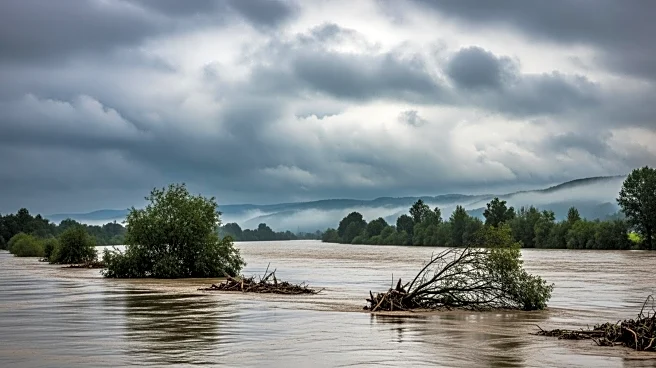
Heavy tropical storms and monsoon rains have caused massive flooding and landslides across South and Southeast Asia, affecting countries like Sri Lanka, Indonesia, Thailand, and Malaysia. The natural disasters have resulted in over 1,800 deaths and significant
displacement, with millions affected. The Asian Development Bank's recent report warns that climate change is exacerbating these events, threatening water systems and livelihoods across the region. The floods have destroyed homes, infrastructure, and forested areas, highlighting the urgent need for climate adaptation and disaster preparedness.
Why It's Important?
The widespread flooding in Asia underscores the growing impact of climate change on vulnerable regions. The loss of life and displacement of millions highlight the urgent need for effective climate adaptation strategies and disaster management. The economic impact is significant, with damage to infrastructure and agriculture affecting livelihoods and food security. The situation calls for increased international cooperation and investment in climate resilience to mitigate future disasters. The events also serve as a stark reminder of the global nature of climate change and the need for collective action to address its causes and consequences.
Beyond the Headlines
The floods in Asia reveal deeper issues related to environmental degradation and unsustainable practices. Illegal logging and deforestation, driven by global demand for resources like palm oil, have exacerbated the impact of natural disasters. The situation highlights the need for sustainable development practices and stricter environmental regulations. Additionally, the floods raise ethical questions about the responsibility of developed nations in contributing to climate change and their role in supporting affected regions. Long-term solutions will require addressing these underlying issues and promoting sustainable economic growth.