




What's Happening?
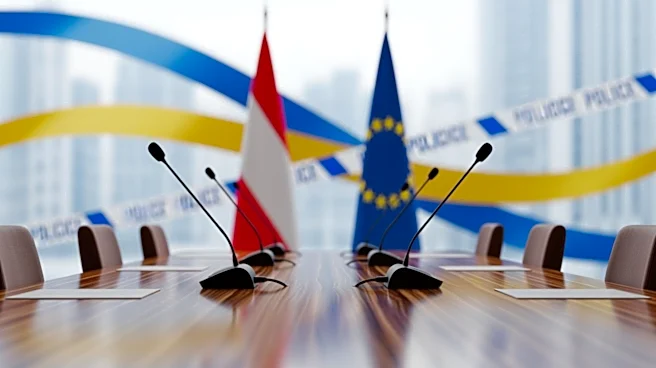
Russian President Vladimir Putin is set to address Armenia's aspirations to join the European Union during a three-day visit to Kazakhstan. This comes as Armenia has been strengthening its ties with Brussels, despite hosting a Russian military base. The
Kremlin has openly criticized Armenia's EU membership bid, with Kremlin foreign policy adviser Yury Ushakov stating that it is impossible for a country to belong to two associations simultaneously. The issue will be discussed at the Eurasian Economic Union summit, a Russia-led economic bloc that includes Armenia. Putin will also engage in bilateral talks with Kazakh officials and participate in a forum in Astana, alongside leaders from Belarus, Kyrgyzstan, and Kazakhstan.
Why It's Important?
The discussions at the summit highlight the geopolitical tensions between Russia and the European Union, as Armenia seeks to balance its relationships with both. Armenia's EU ambitions could strain its ties with Russia, which has been a traditional ally. The outcome of these discussions could impact the regional power dynamics and influence Armenia's future economic and political alignments. The summit also underscores Russia's efforts to maintain influence over former Soviet states through the Eurasian Economic Union, as it faces challenges from EU expansion.
What's Next?
The summit may lead to further diplomatic negotiations between Armenia and Russia regarding its EU aspirations. The discussions could also prompt Armenia to reassess its foreign policy strategy, balancing its EU ambitions with its existing commitments to the Eurasian Economic Union. The outcome of the summit could influence other member states' positions within the bloc and their relations with the EU.
Beyond the Headlines
The situation reflects broader geopolitical shifts as countries in the region navigate their relationships with major powers like Russia and the EU. Armenia's EU ambitions could serve as a precedent for other countries in the region considering similar moves, potentially altering the balance of power in Eastern Europe and Central Asia. The discussions also raise questions about the future of regional alliances and the role of economic blocs in shaping international relations.