
What's Happening?
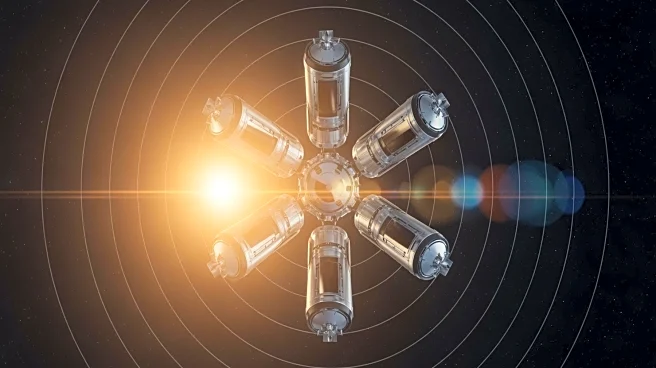
NASA's SunRISE (Sun Radio Interferometer Space Experiment) mission is advancing towards its launch later this year after successfully completing a series of rigorous tests. The mission involves six small
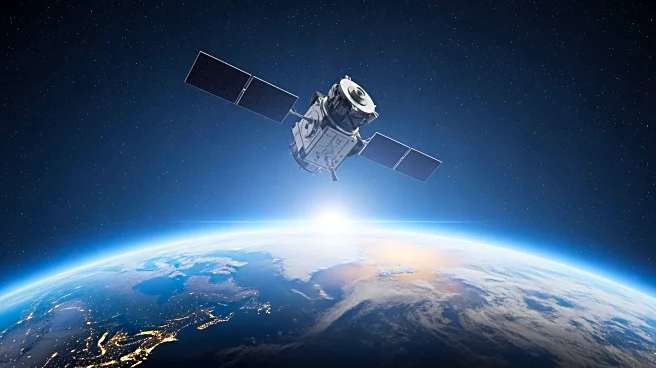
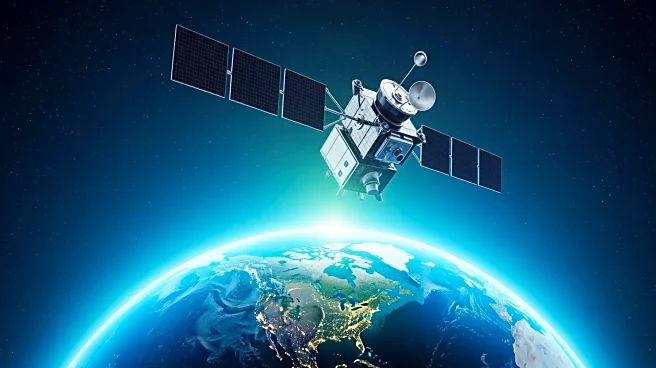
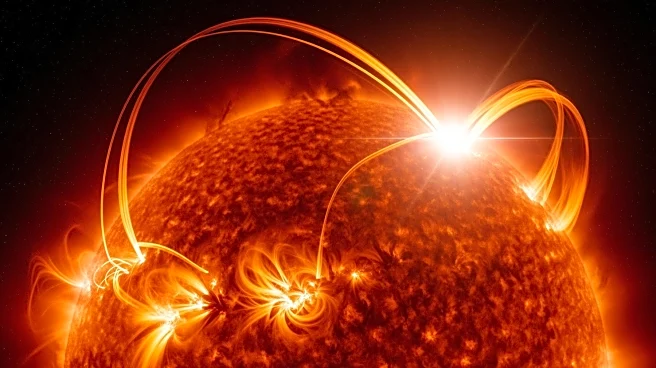
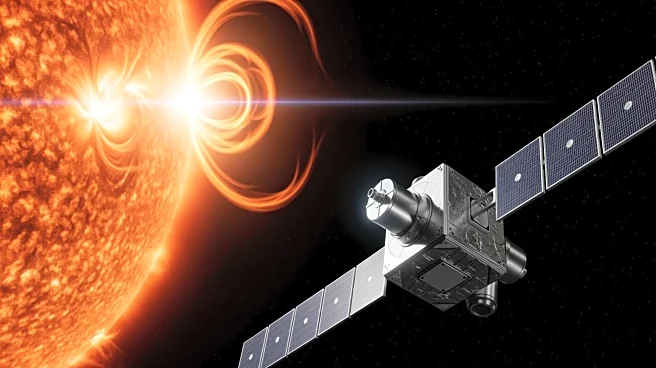
satellites, known as SmallSats, which will function as a single large radio dish to track radio bursts from the Sun's atmosphere. These bursts, generated by solar energetic particle events, pose potential risks to astronauts and satellites. The testing, conducted at Utah State University's Space Dynamics Laboratory, included thermal vacuum, electromagnetic compatibility, and vibration tests to ensure the satellites' readiness for the harsh conditions of space. The SunRISE mission will launch from Cape Canaveral Space Force Station aboard a United Launch Alliance Vulcan Centaur rocket.
Why It's Important?
The SunRISE mission is crucial for understanding and mitigating the effects of solar radio bursts, which can impact space weather and pose threats to astronauts and satellites. By tracking these bursts, scientists aim to enhance the safety of space missions and expand knowledge of solar phenomena. The mission complements other NASA heliophysics missions, contributing to a comprehensive understanding of space weather. The successful deployment and operation of the SunRISE satellites will provide valuable data on the Sun's magnetic field and its influence on the solar system, aiding in the development of protective measures for space exploration.
What's Next?
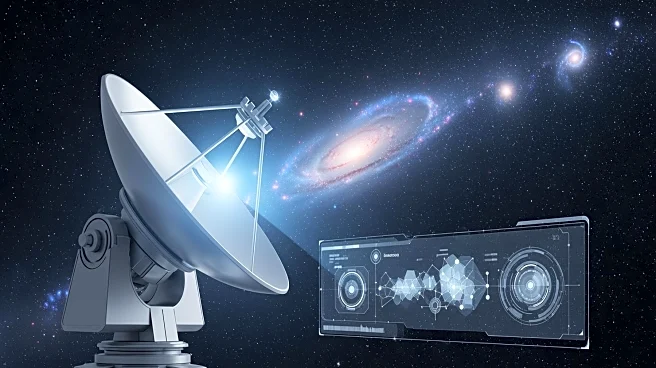
Following the successful testing phase, the SunRISE mission is set to launch later this year. Once in orbit, the SmallSats will deploy their antenna booms and begin tracking solar radio bursts. The data collected will be analyzed using interferometry to create a detailed map of the Sun's magnetic field. This information will be crucial for future space missions and for developing strategies to protect astronauts and satellites from solar radiation. The mission's progress will be closely monitored by NASA and the scientific community, with potential implications for future heliophysics research and space exploration safety.