
What's Happening?
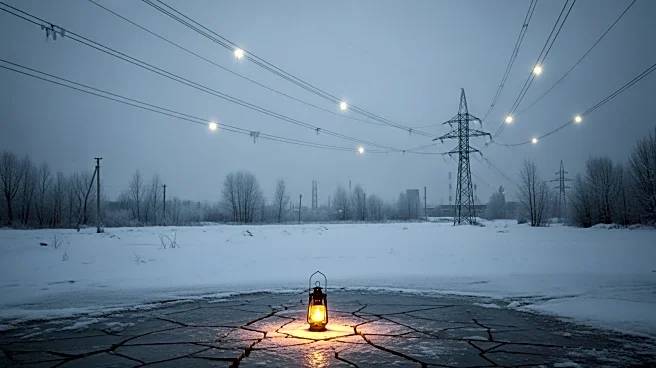
Ukrainians are facing severe winter conditions as Russian attacks on energy infrastructure continue to cause widespread power outages. In Kyiv, residents like Kateryna Skurydina are adapting to life without
consistent heating and electricity, using creative solutions such as thermal clothing and alternative heat sources. The strikes have left many without power, with temperatures dropping to extreme lows. Ukrainian President Volodymyr Zelensky has declared a state of emergency for the energy sector, highlighting the severe impact of the attacks. Despite the challenges, Ukrainians remain resilient, finding ways to stay warm and maintain a sense of community.
Why It's Important?
The ongoing energy crisis in Ukraine underscores the humanitarian impact of the conflict and the strategic use of energy infrastructure as a target in warfare. The situation highlights the vulnerability of civilian populations in conflict zones and the broader implications for energy security in Europe. The resilience of the Ukrainian people in the face of these challenges is a testament to their determination, but the continued attacks pose significant risks to public health and safety. The international community's response to these developments could influence future diplomatic and military strategies in the region.
Beyond the Headlines
The targeting of energy infrastructure raises ethical and legal questions about the conduct of warfare and the protection of civilian populations. The situation in Ukraine may prompt a reevaluation of international laws regarding the targeting of critical infrastructure in conflict zones. Additionally, the crisis could lead to long-term changes in energy policy and infrastructure resilience, both in Ukraine and across Europe, as countries seek to mitigate the risks of similar attacks in the future.