


What's Happening?
Treasury Secretary Scott Bessent, in a recent interview, addressed the U.S. strategy in the ongoing conflict with Iran, emphasizing the approach of 'escalating to de-escalate.' This comes as President Trump has increased threats against Iran, particularly
concerning the strategic Strait of Hormuz. Bessent assured that the U.S. government has sufficient funds to support the military efforts in the Middle East, dismissing the possibility of tax increases to finance the war. The U.S. military has requested an additional $200 billion for the conflict, a proposal facing resistance in Congress. Bessent defended the administration's decision to lift sanctions on Iranian and Russian oil, arguing it would stabilize global oil prices and limit revenue to Iran and Russia.
Why It's Important?
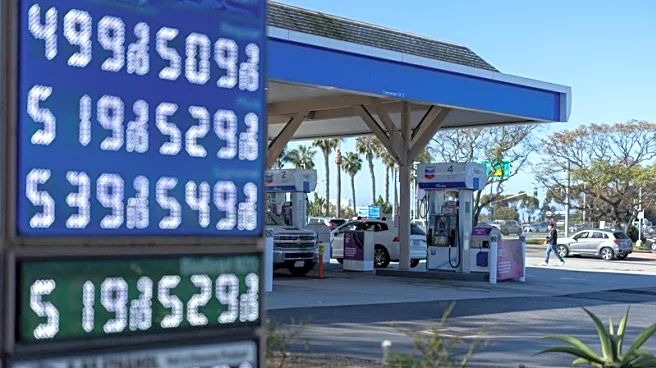
The U.S. strategy in Iran has significant implications for global oil markets and international relations. The Strait of Hormuz is a critical chokepoint for global oil supplies, and any conflict there could disrupt markets and drive up prices. The administration's decision to lift oil sanctions aims to prevent such disruptions, though it also raises questions about the geopolitical balance and the effectiveness of sanctions as a tool. Domestically, the funding request for the military highlights ongoing debates about defense spending and fiscal policy, with potential impacts on the U.S. economy and budget priorities.
What's Next?
The U.S. Congress will play a crucial role in determining the future of military funding for the Iran conflict. As the administration seeks additional resources, lawmakers will debate the necessity and scale of such funding. The outcome will influence U.S. military capabilities and strategic options in the region. Additionally, the global response to the lifting of oil sanctions will be closely monitored, as it could affect international alliances and economic stability.