








What's Happening?
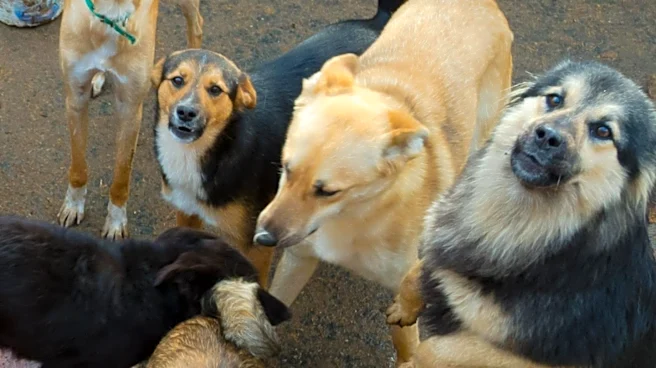
Thirty-six dogs, including golden retrievers and goldendoodles, were rescued from an unlicensed breeder in Cass County, Minnesota, and are now receiving care at Animal Humane Society facilities in Golden Valley. The dogs were found living in unsafe and unsanitary
conditions, according to reports. The property owner voluntarily surrendered the animals to the Animal Humane Society due to an inability to care for them. The rescued dogs are undergoing both medical treatment and behavioral support, a standard procedure for animals from large-scale breeding operations, which often require physical recovery and adjustment to a less chaotic environment. The Animal Humane Society has not yet announced when these dogs will be available for adoption. This incident is part of a broader pattern of large-scale rescues from breeding operations in Minnesota, with over 100 dogs and puppies recently transported to Eden Prairie by the Bissell Pet Foundation from commercial breeders.
Why It's Important?
This rescue highlights the ongoing challenges associated with unlicensed commercial dog breeding and the critical need for robust animal welfare regulations. Unlicensed breeders often operate without oversight, leading to conditions that compromise animal health and well-being, as evidenced by the unsafe and unsanitary environment found in Cass County. The incident underscores the strain on animal rescue organizations, which bear the responsibility of rehabilitating and rehoming these animals. Furthermore, it draws attention to Minnesota's licensing laws for commercial breeders, which mandate inspection and adherence to specific requirements. The involvement of federal agencies, such as the USDA, in revoking licenses of chronic dog welfare violators nationally, indicates a growing focus on enforcing standards within the breeding industry to protect animals from neglect and abuse.
What's Next?
The 36 rescued dogs will remain under the care of the Animal Humane Society in Golden Valley, where they will continue to receive medical and behavioral support until they are deemed ready for adoption. The Animal Humane Society's goal is to find adoptive homes for all the dogs, though a timeline for their availability has not been released. The incident may prompt local authorities to investigate the unlicensed breeder further, potentially leading to citations or enforcement actions under Minnesota's commercial breeder licensing laws. This event also contributes to the ongoing national conversation about animal welfare and the regulation of breeding operations, potentially influencing future legislative efforts to strengthen oversight and prevent similar cases of neglect.
Beyond the Headlines
The rescue of these dogs from an unlicensed breeder sheds light on the broader issue of consumer demand for specific breeds, which can inadvertently fuel unregulated breeding practices. Many individuals seeking purebred or designer dogs may unknowingly purchase from operations that prioritize profit over animal welfare. This situation also underscores the importance of public education regarding responsible pet acquisition, encouraging potential pet owners to consider adoption from reputable shelters or to thoroughly vet breeders to ensure ethical practices. The emotional and financial toll on rescue organizations, which often rely on donations and volunteers to provide extensive care for neglected animals, is also a significant, often overlooked, aspect of these large-scale rescues.