
What's Happening?
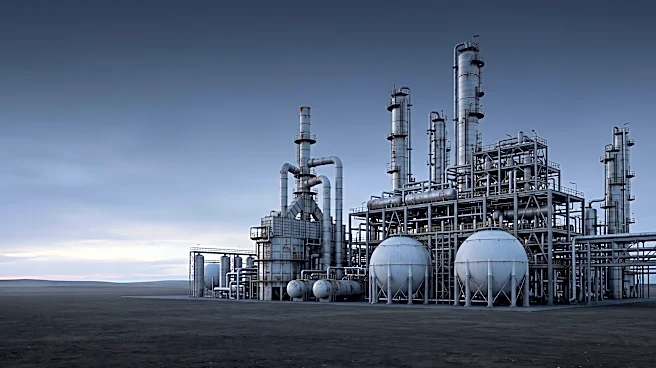
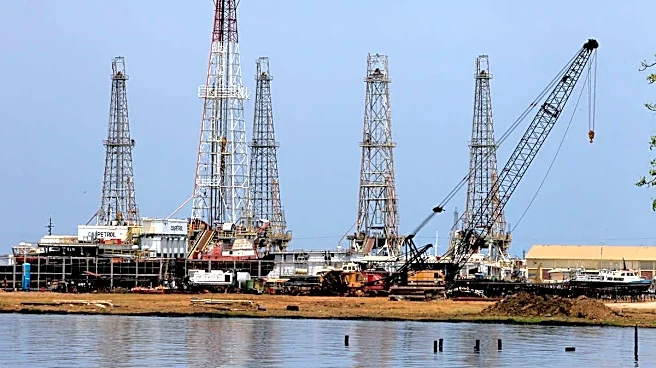
The administration of President Trump has begun to dismantle the Hazardous Organic National Emission Standards for Hazardous Air Pollutants (HON) rule, a regulation designed to significantly reduce toxic pollution from petrochemical plants. This rule, signed by
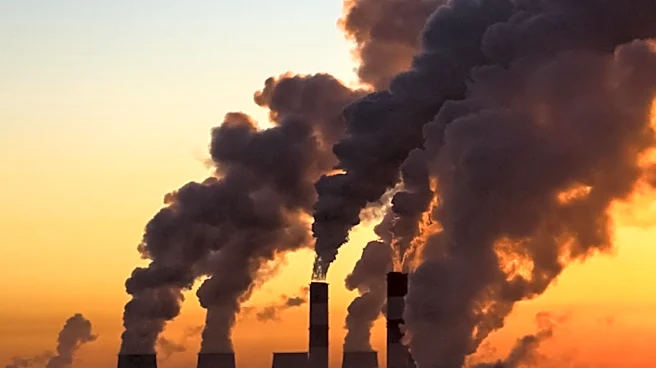
EPA chief Michael Regan in April 2024, aimed to cut emissions of ethylene oxide and chloroprene by almost 80 percent and reduce cancer risks by 96 percent in communities near affected plants. However, shortly after President Trump began his second term, his administration granted two-year exemptions from the HON rule to over 70 petrochemical facilities. The EPA also announced plans to propose a rewrite of the regulation, which is expected to substantially weaken its protections. This move has drawn criticism from environmental justice groups and former EPA officials, who argue it prioritizes industry interests over public health, particularly in areas like Louisiana's 'Cancer Alley' where pollution disproportionately affects Black communities.
Why It's Important?
The rollback of the HON rule has significant implications for public health and environmental justice in the U.S. The rule targeted 'classic bad guys of toxic chemicals' such as toluene, ethylene oxide, and vinyl chloride, which are linked to various cancers and reproductive problems. Weakening these regulations could lead to increased exposure to hazardous air pollutants for communities living near petrochemical facilities, potentially exacerbating health disparities. The exemptions also re-open a loophole that previously allowed plants to bypass emissions requirements during shutdowns and startups, which is particularly concerning given the increasing frequency of extreme weather events. This policy shift signals a departure from stricter environmental protections, potentially impacting the health and well-being of millions of Americans and raising questions about the balance between industrial operations and community safety.
What's Next?
A coalition of local and national advocacy groups, including the Taylors’ Concerned Citizens of St. John, has filed a lawsuit against President Trump and his EPA in the U.S. District Court for the District of Columbia, challenging the legality of the exemptions. These groups contend that the administration's claims for granting exemptions are false and serve as a pretext to relieve polluters from compliance. The EPA is expected to propose a rewrite of the HON rule this fall, which will likely face further legal challenges and public opposition. Environmental justice advocates, such as Sharon Lavigne of RISE St. James Louisiana, have vowed to continue fighting to restore the rule's original strength. The outcome of these legal and regulatory battles will determine the future of toxic air pollution control in the petrochemical industry and its impact on affected communities.
Beyond the Headlines
The controversy surrounding the HON rule rollback extends beyond immediate environmental and health impacts, touching upon deeper ethical and political dimensions. The administration's justification for the exemptions, citing 'national security interests' and the need to maintain a 'robust domestic chemical industry,' raises questions about the criteria used to balance economic concerns with public health. Critics argue that this approach undermines scientific evidence regarding the toxicity of these chemicals and disproportionately affects vulnerable populations. The presence of former fossil fuel and petrochemical industry representatives in top EPA positions further fuels concerns about regulatory capture and the influence of industry on environmental policy. This situation highlights the ongoing tension between economic development and environmental protection, and the challenge of ensuring equitable access to clean air and a healthy environment for all citizens.