







What's Happening?
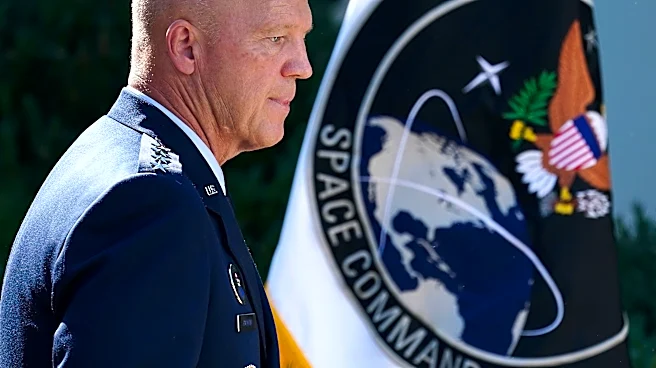
The United States Space Force (USSF) at MacDill, FL, is actively recruiting a Deputy Director of Force Development to support its Special Operations Command (SPACEFOR-SOC). This high-impact leadership role is crucial for shaping and executing institutional
visions, policies, and strategic plans that enable SPACEFOR-SOC to support U.S. Special Operations Command's (USSOCOM) global missions, including persistent and irregular warfare. The incumbent will be responsible for directing the planning, coordination, and execution of Space Force capabilities into USSOCOM Joint and Service large force exercises. Key responsibilities include developing comprehensive exercise plans, integrating space domain awareness, satellite communications, and electronic warfare training objectives into tactical Special Operations Forces (SOF) environments to ensure Joint Force readiness. The position requires expertise in force development principles, analytical techniques for optimizing training and exercise operations, and strong communication skills.
Why It's Important?
This recruitment signifies the Space Force's commitment to strengthening its special operations capabilities and integrating space-based assets more effectively into broader military operations. The Deputy Director will play a critical role in bridging the gap between Space Force operator competencies and USSOCOM tactical operational requirements, ensuring that Guardians are highly trained for specialized space warfare. The focus on integrating space domain awareness, satellite communications, and electronic warfare into SOF training highlights the increasing importance of space in modern conflict. This role will directly impact the readiness and effectiveness of U.S. special operations forces by providing them with the necessary space-based support to identify vulnerabilities, counter electromagnetic threats, and mitigate GPS jamming and communication interference. The successful candidate will contribute to the development of specialized career pathways and professional development programs for Space Special Warfare personnel, enhancing the overall expertise within the Space Force.
What's Next?
The hiring of a Deputy Director of Force Development will lead to the establishment and management of specialized career development pathways and professional development programs tailored for Space Special Warfare personnel. This will include designing tactical and technical training tracks to enhance the skills of Space Force operators. The individual in this role will continuously evaluate and update specialized skill enhancement courses to maintain operational proficiency, ensuring that the Space Force remains at the forefront of space warfare capabilities. The integration of Space Force capabilities into USSOCOM exercises will likely become more seamless and comprehensive, leading to improved joint force readiness. This strategic investment in human capital development underscores the Space Force's long-term vision for maintaining a competitive edge in the space domain and supporting critical national security missions.
Beyond the Headlines
The creation of such a specialized role reflects a broader strategic shift within the U.S. military, acknowledging space as a critical and contested domain. It indicates a move towards a more integrated approach to warfare, where space capabilities are not merely supportive but are integral to special operations. This emphasis on 'space special warfare teams' suggests a recognition of the need for highly specialized personnel capable of operating in complex and challenging space environments. The focus on electromagnetic threats, GPS jamming, and communication interference highlights the vulnerabilities of modern military operations to disruptions in space. This development could also influence the doctrine and training of other military branches, as the importance of space-based assets becomes more pronounced across all domains of warfare. The long-term implication is a more robust and resilient U.S. military, better equipped to address the evolving threats in the space domain.