





What's Happening?
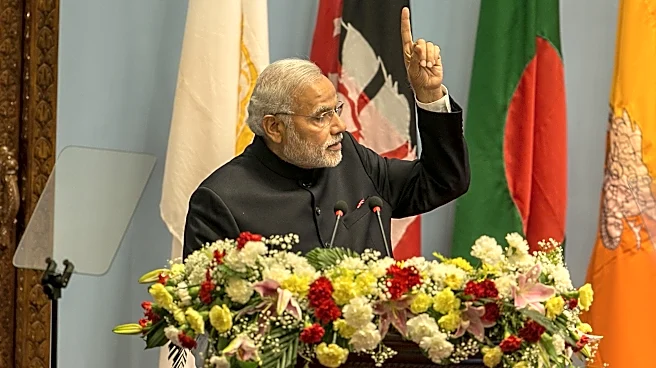
Ukrainian President Volodymyr Zelenskyy announced that India is prepared to act as a mediator in establishing food corridors in the Black Sea. This development follows a phone conversation between Zelenskyy and Indian Prime Minister Narendra Modi. During
their discussion, Zelenskyy briefed Modi on the diplomatic situation and Ukraine's preparations for upcoming talks in Abu Dhabi. He emphasized Ukraine's constructive approach and called for Russia to demonstrate a similar readiness for de-escalation. The conversation also focused on Russia's blocking of grain exports via the Black Sea, which Zelenskyy stated is negatively impacting hundreds of millions globally. Modi has previously urged Russian leader Vladimir Putin to end the conflict. Both leaders agreed that their respective teams would maintain contact on these and other bilateral issues. This offer from India builds on earlier diplomatic initiatives, with India having previously offered to mediate efforts to end the conflict.
Why It's Important?
The potential mediation by India to unblock the Black Sea grain corridor holds significant global importance, particularly for food security and international trade. The ongoing disruption of Black Sea shipping due to consistent attacks has severely impacted global food markets, leading to higher prices and potential shortages, especially in vulnerable nations. India's involvement could provide a crucial neutral ground for negotiations, given its established diplomatic ties with both Ukraine and Russia. A successful mediation would stabilize grain supplies, alleviate humanitarian concerns, and potentially de-escalate tensions in the region. For the U.S. and its allies, this could mean a more stable global food supply chain and reduced pressure on international aid efforts. Conversely, continued blockage would exacerbate food crises, potentially leading to increased instability and migration, which could indirectly affect U.S. foreign policy and aid commitments. The involvement of a major global player like India also signals a broader international desire for a peaceful resolution and highlights the economic ramifications of the conflict beyond direct military engagement.
What's Next?
Following the conversation between President Zelenskyy and Prime Minister Modi, the next steps involve continued diplomatic contact between their teams to flesh out the specifics of India's mediation efforts. While India has expressed readiness to mediate, no concrete agreement or immediate resumption of transport operations has been reported. The success of these efforts will depend on diplomatic contacts and agreements regarding the safety of shipping in the Black Sea. Ukraine is also preparing for trilateral talks in Abu Dhabi, which may involve the U.S. and Russia, further indicating a multi-faceted diplomatic push. Russia's consistent rejection of proposals to revive the Black Sea grain deal suggests that achieving a breakthrough will be challenging. However, the involvement of a significant global power like India could add new impetus to these negotiations. The international community will be closely watching for any signs of de-escalation from Russia and a willingness to engage constructively in establishing safe food corridors.
Beyond the Headlines
The offer of mediation by India extends beyond immediate food security concerns, touching upon broader geopolitical shifts and the evolving role of non-Western powers in international conflict resolution. India's willingness to step into a mediator role underscores its growing influence on the global stage and its commitment to multilateralism, even as it maintains strategic autonomy. This move could set a precedent for other emerging economies to play more active roles in resolving complex international disputes. Ethically, the continued blocking of grain exports raises questions about the humanitarian impact of conflict on civilian populations and global food systems. Legally, ensuring the safety of shipping lanes in a conflict zone presents significant challenges under international maritime law. Culturally, the disruption of food supplies can lead to social unrest and instability in affected regions, highlighting the interconnectedness of global systems. The long-term implications could include a re-evaluation of international mechanisms for safeguarding critical supply chains during conflicts and a greater emphasis on diplomatic solutions involving a wider array of global actors.