



What's Happening?
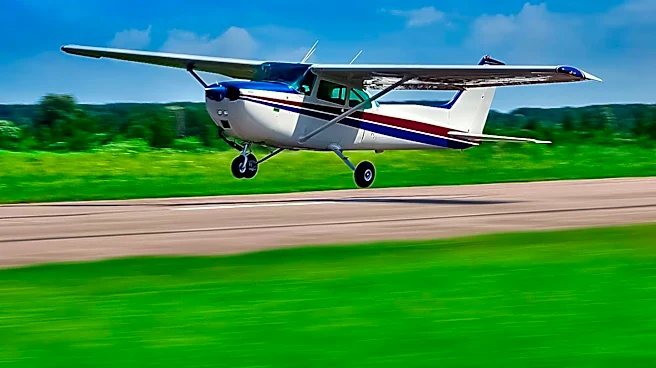
All eight individuals aboard a charter aircraft were killed when it crashed near a remote radar site in Western Alaska. The twin-engine Cessna 441 Conquest, operated by Security Aviation, was en route from Anchorage to Cape Newenham, approximately 460
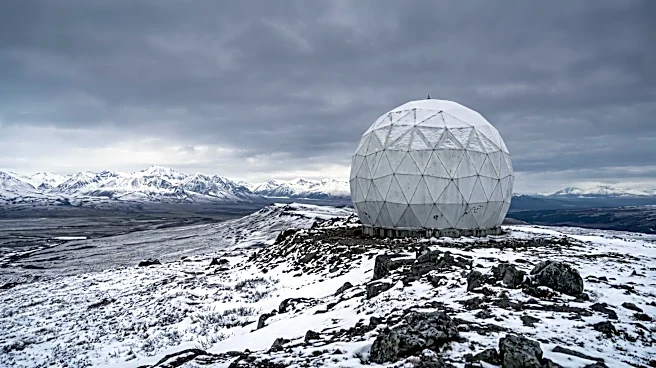
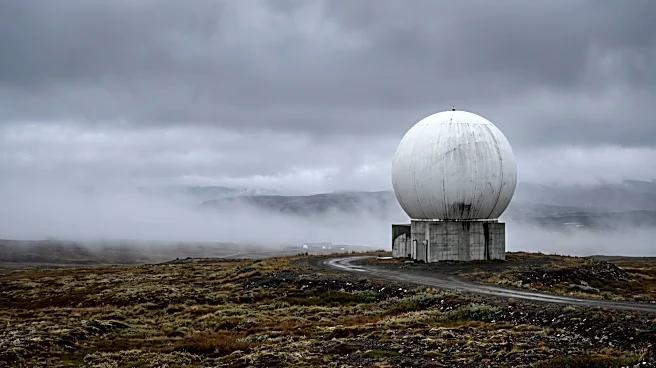
miles southwest of Anchorage. The crash occurred around 11:45 a.m. at the Cape Newenham Long Range Radar Site Airport. The National Transportation Safety Board (NTSB) Alaska chief, Clint Johnson, reported that the plane went down after a missed approach to the runway while operating in instrument meteorological conditions, meaning pilots were navigating solely by instruments due to poor visibility. The aircraft lost communication after a second missed approach. The wreckage was later found about a quarter-mile west of runway 15, on rising terrain, with evidence of a post-crash fire. The deceased include two pilots, two members of the Army Corps of Engineers, and four contractors.
Why It's Important?
This tragic incident underscores the significant risks associated with aviation in remote and challenging environments like Alaska, where weather conditions can be severe and unpredictable. The loss of eight lives, including U.S. Army Corps of Engineers personnel and contractors, highlights the dangers faced by those working in critical infrastructure and defense roles in isolated regions. The crash will likely prompt a thorough investigation by the NTSB and FAA, which could lead to enhanced safety protocols for charter flights, particularly those operating in instrument meteorological conditions and to remote airfields. This event also brings renewed attention to the broader issue of aviation safety in Alaska, a state heavily reliant on air travel due to its vast and often inaccessible terrain, and the ongoing efforts to improve it.
What's Next?
The NTSB will lead a comprehensive investigation into the crash, with support from the FAA and Alaska State Troopers. The investigation will involve analyzing the wreckage, reviewing flight data, examining air traffic control communications, and assessing weather conditions at the time of the accident. The U.S. Army Corps of Engineers and Security Aviation have confirmed their cooperation with authorities. The names of the deceased will be released after next of kin notifications are completed. The findings from this investigation will be crucial for understanding the exact cause of the crash and could result in new safety recommendations or regulatory changes aimed at preventing similar incidents in the future, particularly concerning operations in challenging Alaskan conditions.
Beyond the Headlines
Beyond the immediate tragedy, this crash highlights the unique challenges of operating aircraft in Alaska, where vast distances, extreme weather, and limited ground infrastructure make air travel essential but also inherently risky. The incident may reignite discussions about the adequacy of aviation safety investments and infrastructure in remote Alaskan communities, particularly for critical government and contractor operations. The reliance on instrument flight rules in poor visibility conditions underscores the importance of advanced avionics, pilot training, and robust air traffic control systems. Furthermore, the emotional toll on the families of the victims, the rescue personnel, and the broader aviation community in Alaska will be profound, serving as a somber reminder of the human cost of aviation accidents.