







What's Happening?
Olean Mayor Amy B. Sherburne has announced the formation of a new Mayor’s Advisory Council on Public Safety and Quality of Life. This new council is set to replace the previously inactive Homelessness Task Force, which was established under former Mayor Bill
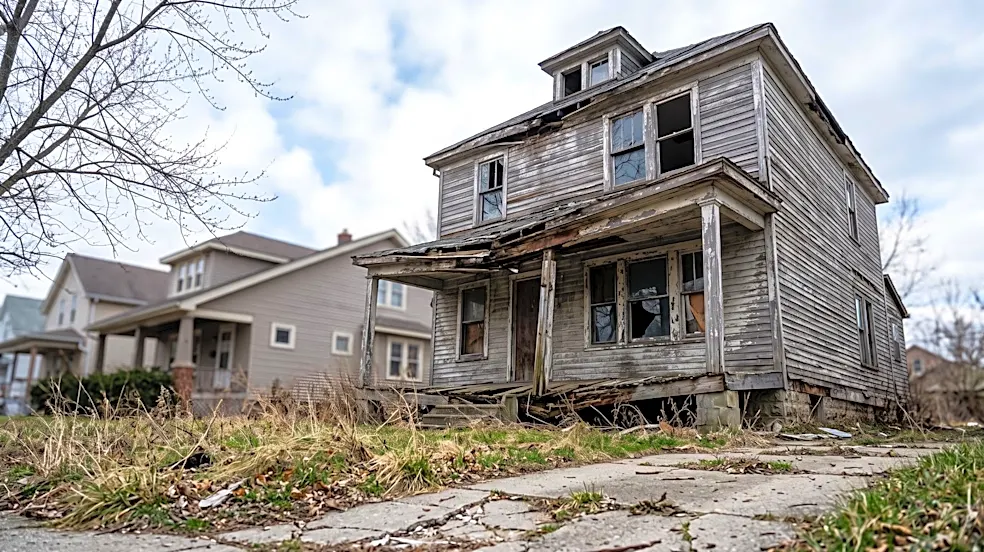
Aiello. According to a press release from Mayor Sherburne, the council's primary objective is to unite residents, community organizations, service providers, and government entities to gain a deeper understanding of the challenges facing Olean and to formulate practical recommendations. The advisory council will focus on six key areas: Public Safety (including crime prevention, neighborhood safety, and coordination among emergency services), Homelessness & Housing (addressing prevention, housing availability, and resource gaps), Parks & Public Spaces (maintaining safety and cleanliness), Clean & Livable Neighborhoods (tackling blight, abandoned properties, and code enforcement), Youth & Education (focusing on youth activities, mentoring, and employment opportunities), and The Resident’s Voice (creating avenues for residents to share concerns and solutions). The Mayor's statement on the city's website did not provide details regarding the council's membership, meeting schedules, or specific opportunities for public participation.
Why It's Important?
The establishment of the Mayor's Advisory Council on Public Safety and Quality of Life signifies a strategic shift in how Olean addresses community issues, moving from a singular focus on homelessness to a broader, more integrated approach. This initiative is important because it aims to foster collaboration among diverse stakeholders, including residents, non-profits, businesses, and various levels of government, to develop comprehensive solutions. By bringing together individuals with different experiences and expertise, the council is designed to ensure that potential solutions are thoroughly considered before implementation. This collaborative model could lead to more effective and sustainable improvements in public safety, housing, and overall quality of life for Olean residents. The emphasis on 'The Resident’s Voice' also highlights an effort to empower citizens and incorporate their perspectives directly into policy-making, potentially increasing public trust and engagement in local governance. The success of this council could serve as a model for other U.S. cities facing similar multifaceted urban challenges.
What's Next?
The Mayor’s Advisory Council will operate in an advisory capacity, tasked with listening, examining issues, gathering community perspectives, identifying resources and gaps, and providing thoughtful recommendations to the Mayor and community partners. Mayor Sherburne emphasized that the council is not intended to take ownership of problems or merely serve as a discussion forum, but rather to facilitate meaningful dialogue and develop actionable recommendations for those with authority and resources. Further information regarding the council's membership, meeting schedules, and opportunities for residents to participate is expected to be announced by the Mayor’s Office. As community needs evolve, additional organizations and individuals will be invited to contribute their knowledge and experience. The council's initial focus will be on achieving safe neighborhoods, clean public spaces, compassionate accountability, thoughtful recommendations, and ultimately, a stronger community and better quality of life for everyone in Olean.
Beyond the Headlines
The formation of this advisory council reflects a growing recognition in local governance that complex urban problems, such as homelessness, public safety, and neighborhood blight, cannot be effectively addressed in isolation. By adopting a holistic approach that integrates various aspects of community well-being, Olean is attempting to create a more resilient and equitable urban environment. The council's commitment to 'compassion with accountability' suggests an effort to balance social support with civic responsibility, a delicate but crucial aspect of effective community development. This initiative also underscores the increasing importance of citizen participation and multi-sector collaboration in shaping local policies. The long-term success of this model will depend on its ability to translate diverse perspectives into concrete, implementable strategies and to adapt to changing community needs, potentially setting a precedent for how U.S. cities engage with their populations to solve pressing issues.