








What's Happening?
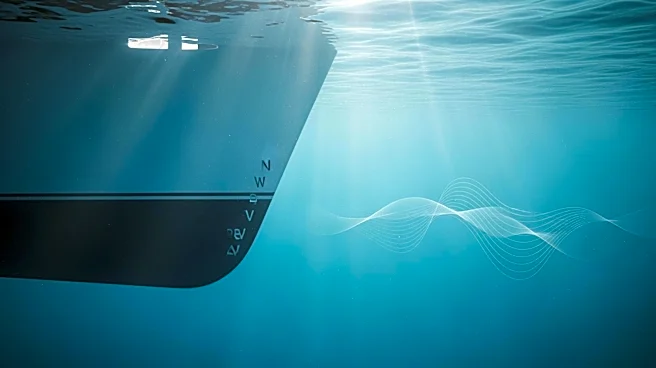
The Marine Environment Protection Committee (MEPC) 84 has approved a new technical guidance circular aimed at optimizing propulsion equipment for both energy efficiency and the reduction of underwater radiated noise. This guidance seeks to address the trade-offs
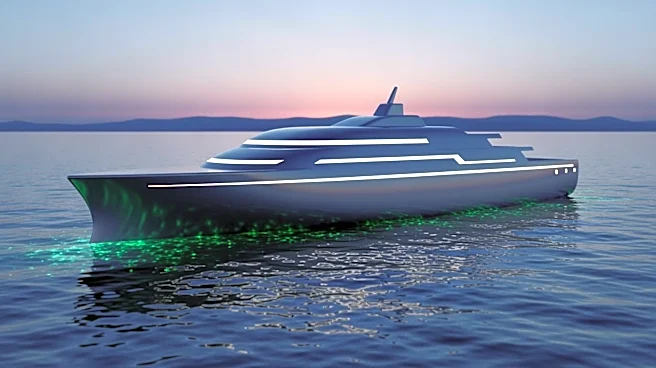
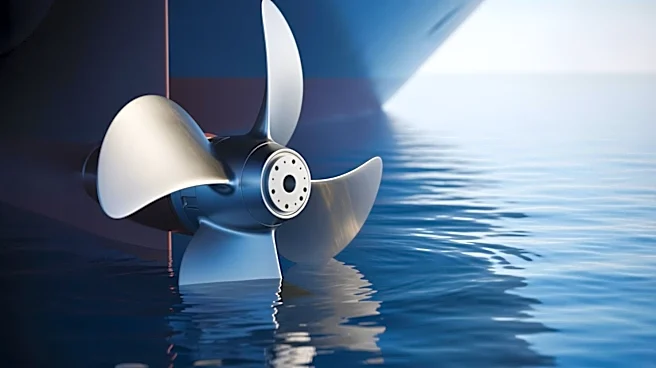
between noise mitigation and traditional propeller design, promoting the benefits of quiet ship technologies alongside energy performance improvements. The circular is based on case studies that demonstrate how retrofits, such as propeller upgrades and air lubrication systems, can reduce underwater noise by 2-10 dB while also enhancing energy efficiency. The guidance emphasizes the need for design optimization tailored to specific ship operational conditions rather than relying on generic approaches. This development marks a shift towards holistic strategies that maintain core performance characteristics of ships while addressing environmental concerns.
Why It's Important?
The approval of this guidance by MEPC 84 is significant as it addresses the dual challenge of reducing underwater noise pollution and improving energy efficiency in maritime operations. Underwater radiated noise is a growing environmental concern due to its impact on marine life, particularly marine mammals that rely on sound for communication and navigation. By promoting technologies that reduce noise and improve energy efficiency, the guidance supports the maritime industry's efforts to minimize its environmental footprint. This initiative could lead to widespread adoption of quieter and more efficient ship designs, benefiting both the environment and the shipping industry's operational costs. Stakeholders in the maritime sector, including shipbuilders and operators, stand to gain from the potential cost savings and regulatory compliance associated with these advancements.
What's Next?
Following the approval of the guidance, the maritime industry is expected to increasingly implement these recommendations in both new ship designs and retrofits of existing vessels. Shipbuilders and operators may begin to adopt the specified technologies and design strategies to comply with the new standards. Additionally, the industry might see further research and development into innovative solutions that align with the guidance. Regulatory bodies could also consider integrating these guidelines into future environmental regulations, potentially making them mandatory. The ongoing collaboration between industry stakeholders and regulatory agencies will be crucial in ensuring the successful implementation and evolution of these practices.