






What's Happening?
Ohio has postponed the implementation of a restriction that would have limited the purchase of certain sugary drinks using Supplemental Nutrition Assistance Program (SNAP) benefits. Matt Damschroder, Director of the Ohio Department of Job and Family Services,
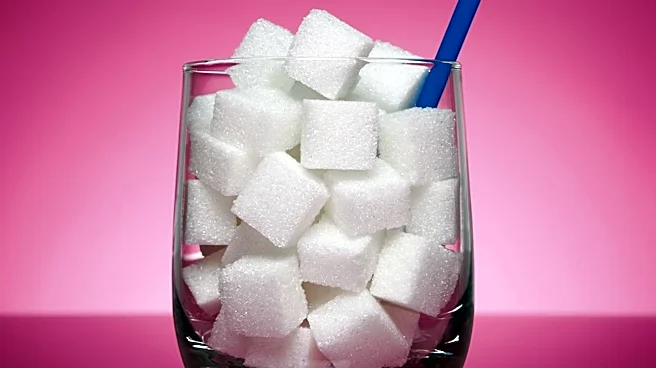
announced the delay, which was made at the request of the U.S. Department of Agriculture’s (USDA) Food and Nutrition Administration. The ban, initially scheduled to begin on October 1, would have restricted SNAP benefits for beverages listing sugar, corn syrup, high-fructose corn syrup, or similar caloric sweeteners as the primary or second ingredient (if the first is carbonated water). The USDA had previously approved Ohio's waiver to implement these restrictions earlier in the year.
Why It's Important?
This delay is significant for both SNAP recipients and retailers in Ohio, as it temporarily maintains the current purchasing flexibility for beneficiaries. For SNAP recipients, it means continued access to a wider range of beverage options, which can be a point of contention regarding personal choice and dietary habits. For retailers, it avoids immediate changes to their point-of-sale systems and inventory management that would have been necessary to comply with the ban. The USDA's request for delay to assess public comments underscores a broader federal interest in ensuring that such policy changes are thoroughly reviewed and consider the potential impacts on vulnerable populations and the operational challenges for businesses. This decision reflects the ongoing debate about the scope and limitations of food assistance programs.
What's Next?
The Ohio Department of Job and Family Services plans to communicate the delay to both SNAP recipients and retailers. Updates regarding the implementation of the SNAP sugary beverage ban will be provided at a later date, following the assessment of public comments. This period of delay will allow the USDA and Ohio authorities to gather more feedback and potentially refine the policy before any restrictions are put into place. Stakeholders, including health advocates, food industry representatives, and SNAP beneficiaries, will likely use this time to voice their perspectives, influencing the final decision on whether and how the ban will be implemented.
Beyond the Headlines
The debate over restricting sugary drink purchases within SNAP highlights a complex intersection of public health, individual autonomy, and government intervention. While proponents argue that such bans promote healthier eating habits and reduce healthcare costs associated with diet-related diseases, critics often raise concerns about paternalism, stigmatization of low-income individuals, and the practical difficulties of enforcement. This situation in Ohio reflects a national conversation about how food assistance programs can best serve their beneficiaries while also addressing broader public health goals. The outcome could set a precedent for similar initiatives in other states and influence future federal guidelines for SNAP benefits.