


What's Happening?
Recent discussions have emerged regarding the U.S. sanctions on Cuba, which are being criticized for potentially violating the Geneva Conventions. The sanctions, which include a blockade that restricts oil shipments to Cuba, have led to severe shortages
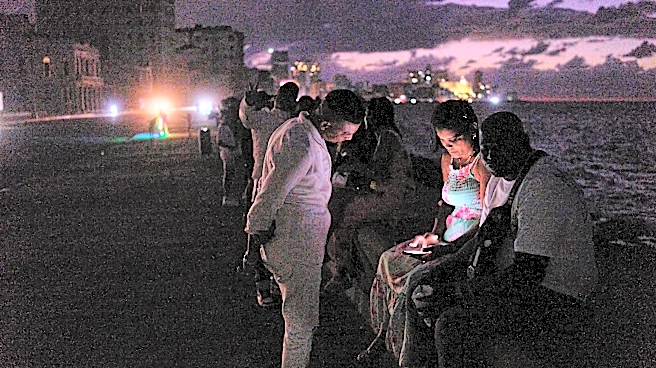
affecting the country's healthcare system. Reports indicate that these shortages have resulted in preventable deaths due to lack of electricity and medical supplies. The U.S. government's actions are being described as collective punishment, a term used to denote actions that harm civilians during armed conflict, which is prohibited under the Fourth Geneva Convention. The sanctions have been linked to increased infant mortality and other health crises in Cuba. Despite these consequences, the U.S. continues to enforce these measures, with President Trump indicating potential military interventions.
Why It's Important?
The implications of the U.S. sanctions on Cuba are significant, as they highlight the broader impact of economic sanctions on civilian populations. The sanctions are not only affecting Cuba's economy but also its healthcare system, leading to a humanitarian crisis. This situation raises ethical and legal questions about the use of economic sanctions as a tool of foreign policy, especially when they result in civilian suffering. The criticism of these sanctions under the Geneva Conventions suggests a potential reevaluation of international law regarding economic measures during peacetime. The situation also underscores the geopolitical tensions between the U.S. and Cuba, with potential repercussions for international relations and human rights advocacy.
What's Next?
The future of U.S. sanctions on Cuba remains uncertain, with potential legal challenges and international scrutiny on the horizon. There is a possibility that the sanctions could be challenged in international courts as violations of the Geneva Conventions. Additionally, increased awareness and criticism from the international community and within the U.S. could lead to policy changes. The situation may also prompt discussions in Congress about the legality and morality of using economic sanctions as a foreign policy tool. As the humanitarian impact becomes more apparent, there may be increased pressure on the U.S. government to reconsider its stance and seek alternative diplomatic solutions.
Beyond the Headlines
The situation with Cuba highlights a broader trend of using economic sanctions as a means of exerting political pressure, often with significant humanitarian consequences. This approach raises questions about the ethical implications of such policies and their alignment with international human rights standards. The case of Cuba could serve as a precedent for reexamining the role of economic sanctions in global diplomacy and their compliance with international law. Furthermore, the impact on Cuba's healthcare system underscores the vulnerability of civilian infrastructure in the face of geopolitical conflicts, prompting a need for more resilient and independent systems.