





What's Happening?
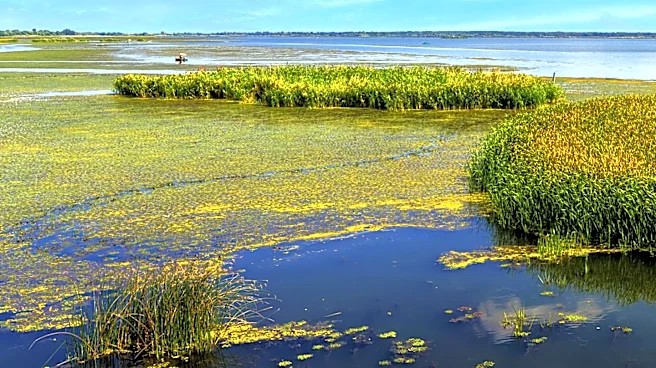
The Arkansas Game & Fish Commission (AGFC) has expanded its permit-based waterfowl hunting opportunities to several new locations, including Buckingham Flats Greentree Reservoir on George H. Dunklin Jr. Bayou Meto Wildlife Management Area, the Wiville
West Tract at Rex Hancock Black Swamp WMA, Prairie Bayou WMA, the new Pat Fitts Oakwood WMA, and a portion of St. Francis Sunken Lands WMA. This initiative aims to reduce user conflicts and hunting pressure on historically popular areas, thereby increasing the quality of the hunting experience for those who draw permits. The first application period for these permits began on November 12. Brett Leach, AGFC Waterfowl Program coordinator, noted that Buckingham Flats will be the first draw-based permit hunt for waterfowl in a greentree reservoir managed by the AGFC, reserving 639 acres for permitted hunting parties. This expansion is intended to provide less competitive environments, making it more accessible for new or young hunters.
Why It's Important?
This expansion of permit-based waterfowl hunting opportunities by the AGFC is significant for U.S. recreational hunting and wildlife management. By regulating access to popular hunting grounds, the AGFC aims to create a more sustainable and enjoyable experience for hunters, which can help maintain interest and participation in hunting sports. This is crucial for conservation efforts, as hunting license fees often fund wildlife management and habitat preservation programs. Reducing overcrowding and user conflicts can also lead to safer hunting conditions and a more positive public perception of hunting. Furthermore, providing less intimidating environments for new and young hunters is vital for the long-term health of hunting traditions and the continued financial support for wildlife conservation across the nation. The initiative also addresses ecological concerns by managing pressure on specific wildlife populations and habitats.
What's Next?
Hunters interested in these expanded opportunities can apply for one WMA permit hunt and one of each WRICE permit type (duck and goose) from 3 p.m. Thursday through midnight Sunday each weekend for the hunt period beginning the following Saturday. Permit winners will be notified each Monday immediately following the application window. The AGFC encourages hunters to visit the areas beforehand to understand the terrain and necessary equipment, especially for locations requiring floating blinds or large boats. The agency will continue to monitor the effectiveness of these permit systems in reducing conflicts and improving hunt quality. Future adjustments to permit availability, locations, and regulations may occur based on hunter feedback, wildlife population data, and habitat conditions. The success of this program could serve as a model for other states facing similar challenges in managing recreational hunting pressure.
Beyond the Headlines
The AGFC's move reflects a broader trend in U.S. wildlife management towards more controlled and sustainable access to natural resources, balancing recreational demand with ecological preservation. This approach highlights the evolving relationship between human activity and natural environments, where technology and structured systems are increasingly used to manage interactions. Ethically, it underscores the responsibility of wildlife agencies to ensure fair access while protecting animal populations and habitats. Culturally, it aims to preserve hunting as a valued tradition by making it more accessible and enjoyable, potentially fostering a new generation of conservation-minded individuals. The shift towards permit-based systems also raises questions about equity of access and the potential for digital divides, as applications are primarily online. Long-term, such initiatives contribute to the resilience of wildlife populations and the health of ecosystems, demonstrating a commitment to responsible stewardship of natural heritage.