



What's Happening?
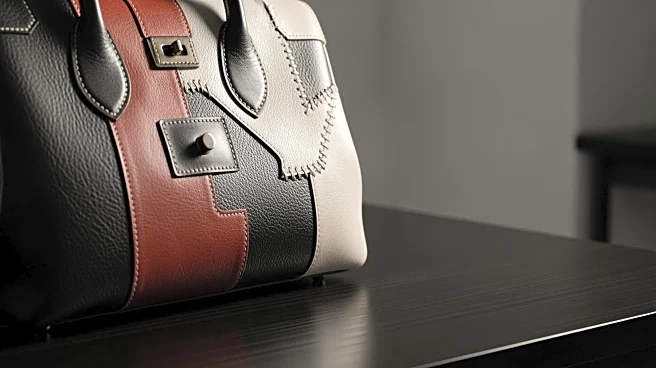
The Supreme Court of Korea has issued a landmark ruling regarding the upcycling of luxury goods, specifically addressing the trademark implications of modifying branded items. The case involved Louis Vuitton and a service provider who altered Louis Vuitton bags
for personal use. The court determined that such modifications do not constitute trademark infringement if the alterations are made for personal use and not for commercial resale. This decision overturns a previous ruling that sided with Louis Vuitton, which argued that the modified goods infringed on its trademark rights. The court emphasized the distinction between personal and commercial use, stating that charging a fee for labor does not automatically equate to trademark use. However, the court also noted that if modifications are made for resale or if the service provider knew the goods would be resold, it could still constitute infringement.
Why It's Important?
This ruling is significant as it sets a precedent in the ongoing debate over trademark rights and the upcycling of luxury goods. It highlights the tension between brand control and consumer rights to modify owned products. The decision is being closely watched internationally, as it could influence similar cases in other jurisdictions, including the United States and Europe. For luxury brands, this ruling provides a framework to challenge unauthorized commercial resale of modified goods, while also allowing consumers the freedom to alter products for personal use. This balance could impact the luxury goods market, potentially affecting brand strategies and consumer behavior regarding sustainability and product customization.
What's Next?
The case has been remanded to the Intellectual Property High Court for further proceedings, which will likely explore the nuances of trademark use in greater detail. This decision may prompt other luxury brands to reassess their legal strategies concerning upcycling and trademark enforcement. Additionally, it could lead to increased scrutiny of service providers who offer customization services, as they navigate the legal boundaries of trademark use. The ruling may also encourage legislative discussions on the balance between intellectual property rights and consumer freedoms in the context of sustainability and circular economy practices.
Beyond the Headlines
The ruling touches on broader issues of sustainability and the circular economy, as upcycling is often promoted as a means to reduce waste and extend the life of products. This decision may influence how brands approach sustainability initiatives and their engagement with consumers who prioritize eco-friendly practices. It also raises questions about the role of intellectual property law in supporting or hindering sustainable business models, potentially prompting further legal and policy discussions on how to reconcile these interests.