
What's Happening?
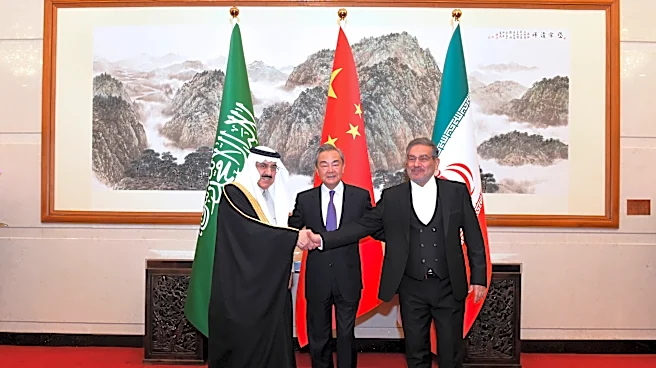
Pakistan is actively working to facilitate diplomatic talks between the United States and Iran, aiming to convene a second round of ceasefire negotiations. Iran's Foreign Minister Abbas Araghchi is visiting
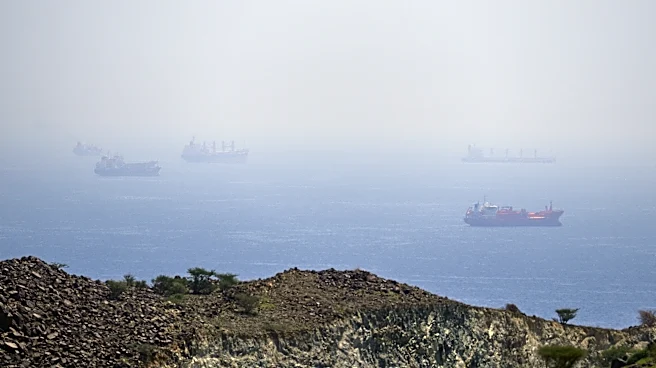
Pakistan to engage in bilateral consultations and discuss regional developments. This diplomatic effort comes in the context of ongoing tensions in the Middle East, particularly concerning the Strait of Hormuz, a critical passage for global energy exports. The situation remains tense with recent military actions and blockades affecting regional stability.
Why It's Important?
The diplomatic efforts by Pakistan underscore the critical need for dialogue in resolving conflicts that have significant implications for global energy markets and regional security. The Strait of Hormuz is a vital artery for oil and gas shipments, and any disruption can have far-reaching economic consequences. Successful negotiations could lead to a de-escalation of military tensions, potentially stabilizing energy prices and reducing the risk of further conflict. This situation also highlights the strategic role of Pakistan in mediating regional disputes and fostering peace.
What's Next?
If successful, the diplomatic talks could pave the way for a formal ceasefire agreement between the U.S. and Iran, potentially easing military tensions in the region. However, the path to negotiation is fraught with challenges, including mutual distrust and geopolitical complexities. The involvement of other regional players, such as Oman and Russia, could influence the outcome of these talks. Continued diplomatic engagement will be crucial in maintaining momentum towards a peaceful resolution.