




What's Happening?
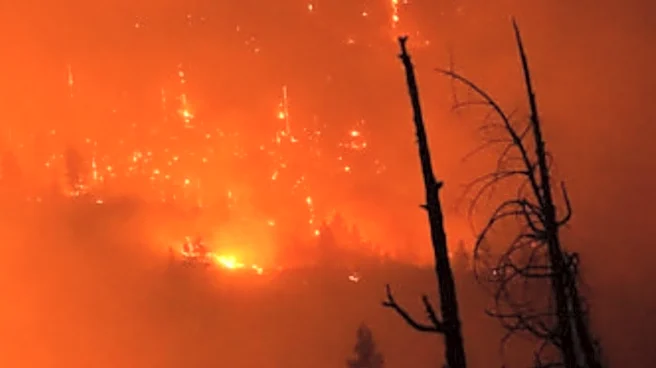
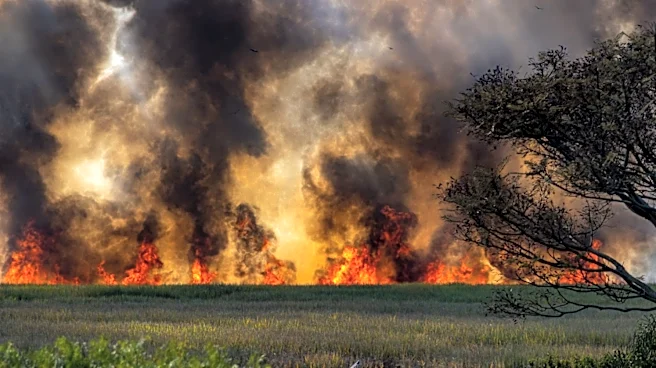
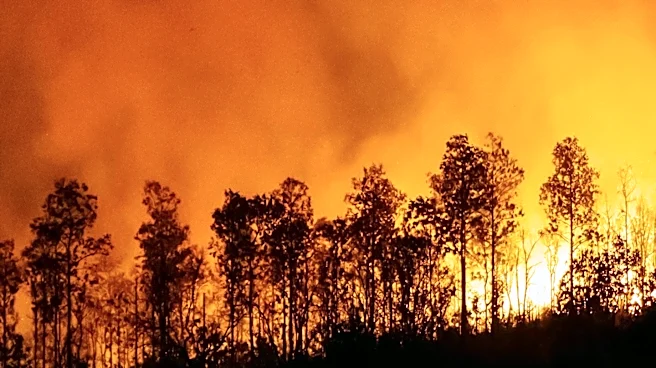
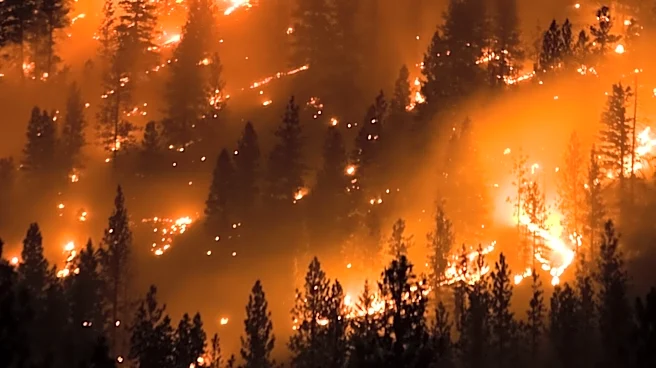
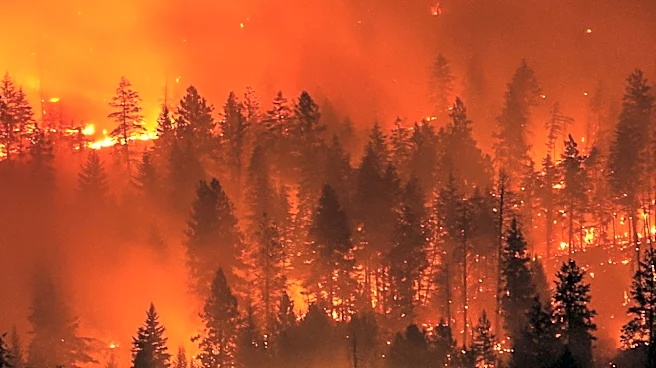
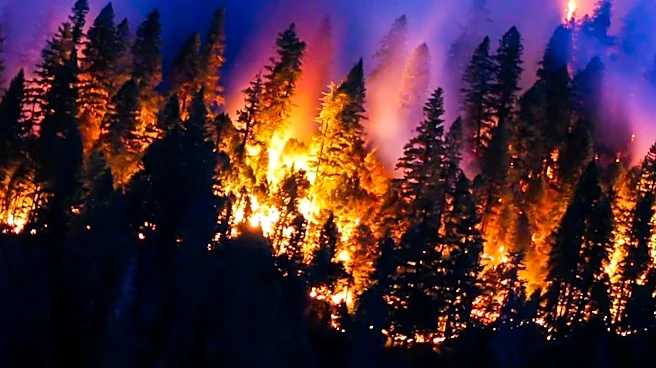
The Willow Fire, located west of Leadville, Colorado, has expanded to over 2,200 acres, prompting evacuations and pre-evacuation notices. The fire's rapid growth has made it a significant concern for residents of Leadville, the highest incorporated city
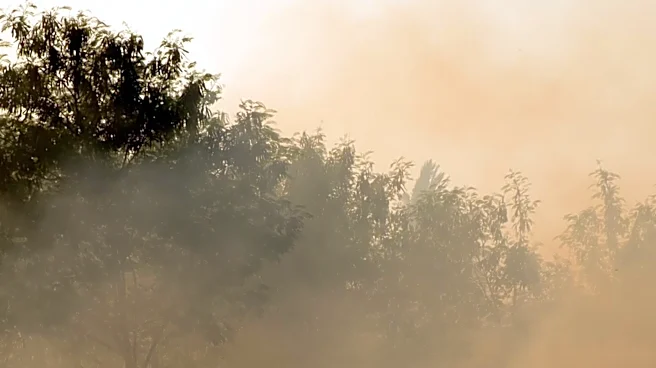
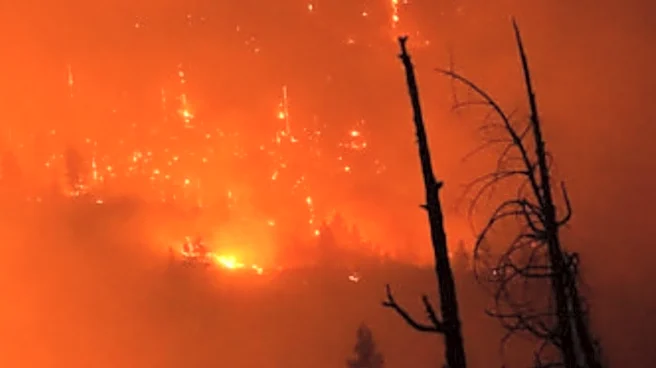
in Colorado. Smoke from the fire has become a daily presence, affecting the air quality and visibility in the area. Firefighters are working to contain the blaze, but the challenging terrain and dry conditions are complicating efforts. The fire is part of a larger pattern of wildfires affecting the western United States, driven by extreme heat and drought conditions.
Why It's Important?
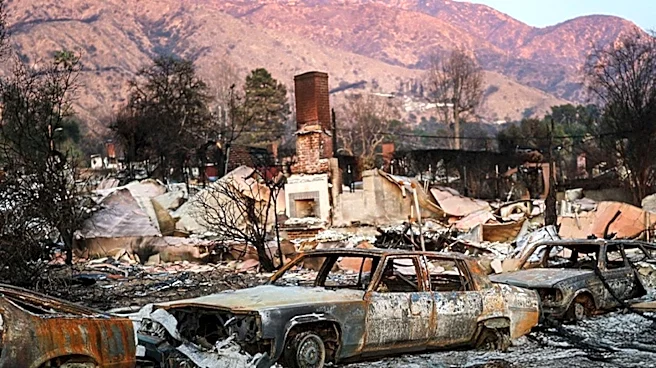
The Willow Fire highlights the increasing frequency and intensity of wildfires in the western United States, exacerbated by climate change and prolonged drought conditions. The evacuations and potential property damage underscore the immediate threat to communities in fire-prone areas. This situation also stresses the resources of firefighting agencies and highlights the need for effective wildfire management strategies. The impact on air quality poses health risks to residents, particularly those with respiratory conditions. The economic implications include potential losses in tourism and increased costs for emergency services.
What's Next?
Firefighting efforts will continue as crews work to contain the Willow Fire and protect nearby communities. Authorities may issue further evacuation orders if the fire continues to spread. Residents are advised to stay informed through local news and official channels. The situation may prompt discussions on improving fire prevention measures and infrastructure resilience in wildfire-prone regions. Additionally, there may be increased advocacy for policies addressing climate change and its role in exacerbating wildfire risks.