

What's Happening?
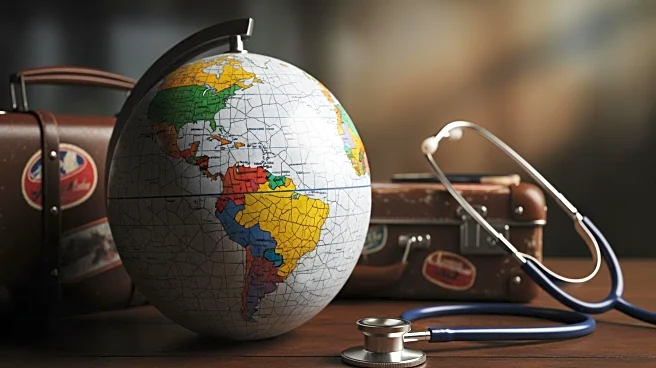
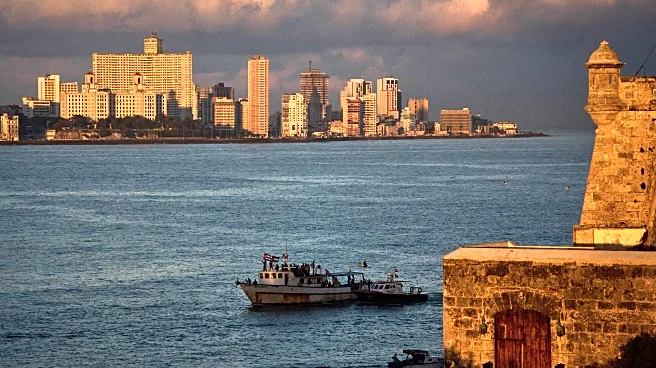
The Trump administration is increasing pressure on countries to terminate their medical agreements with Cuba, which involve sending Cuban doctors to provide healthcare in underserved areas globally. The U.S. State Department criticizes these missions
as 'forced labor' and 'human trafficking,' alleging that Cuban medical personnel are coerced and underpaid. Several countries in Latin America and the Caribbean, including Guatemala and Jamaica, are responding by phasing out these programs. The Cuban government receives substantial payments for these services, while the doctors receive only a fraction of the compensation. This program, a significant source of foreign revenue for Cuba, is now under scrutiny as the U.S. imposes visa restrictions and considers sanctions against participating countries.
Why It's Important?
The U.S. stance on Cuban medical missions reflects broader geopolitical tensions and human rights concerns. By pressuring countries to end these agreements, the U.S. aims to weaken Cuba's economic model and influence in the region. This move could impact healthcare access in vulnerable communities that rely on Cuban medical personnel, raising ethical questions about the balance between political objectives and humanitarian needs. The situation also highlights the complexities of international diplomacy, where economic interests and human rights considerations intersect.
What's Next?
As countries reconsider their agreements with Cuba, the future of healthcare delivery in affected regions remains uncertain. The U.S. may continue to leverage diplomatic and economic tools to discourage participation in Cuban medical missions. Meanwhile, countries like the Bahamas are exploring direct payment models to retain Cuban doctors, which could offer a compromise solution. The ongoing debate will likely influence U.S.-Cuba relations and shape international perceptions of humanitarian aid and labor practices.