
What's Happening?
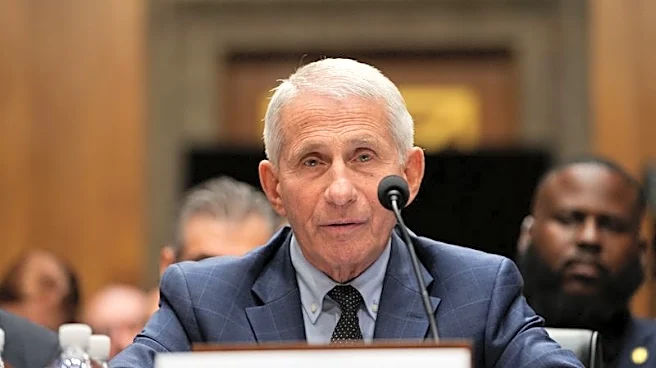
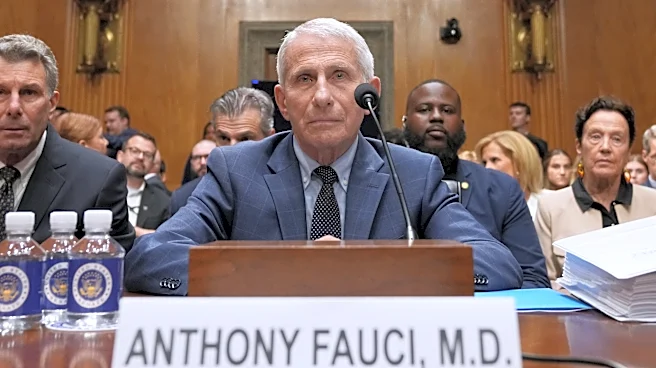
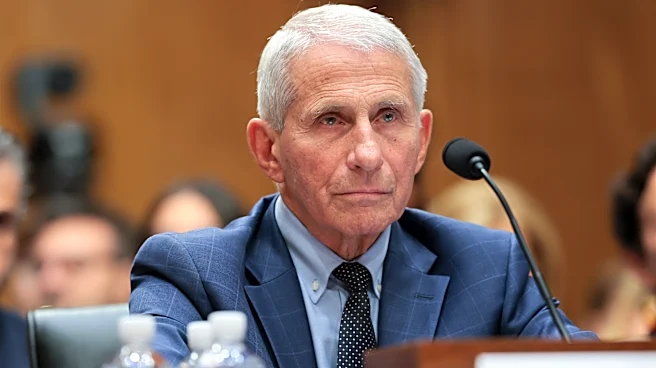
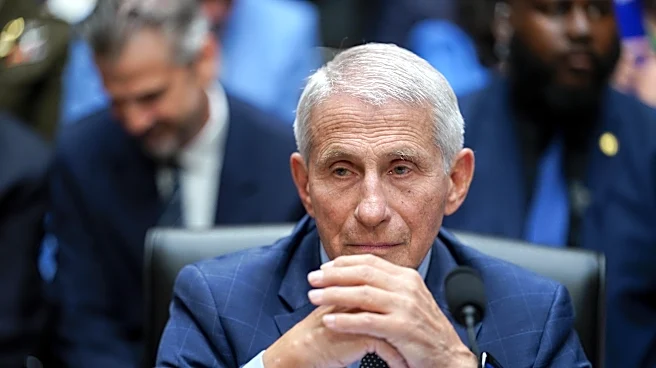
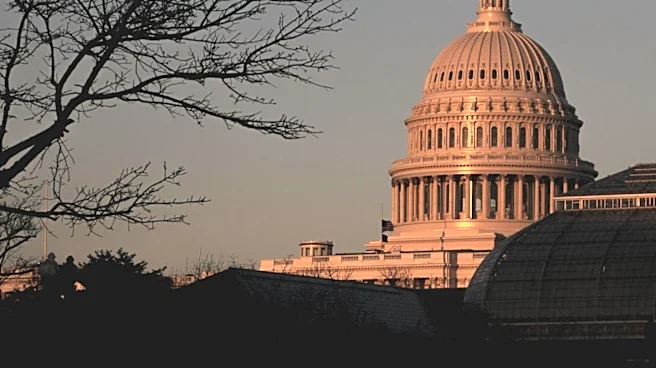
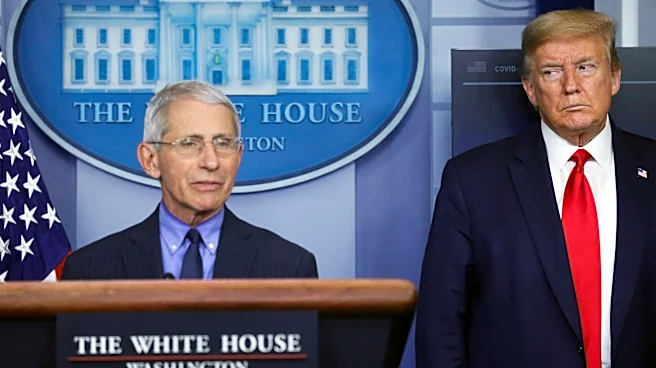
Senator Rand Paul has announced plans to hold a contempt vote against Dr. Anthony Fauci after he invoked the Fifth Amendment during a Senate hearing. Fauci, who was subpoenaed to testify, declined to answer
questions related to his actions while serving on the White House Coronavirus Task Force. This follows a preemptive pardon issued by former President Joe Biden, covering actions taken by Fauci between 2014 and 2025. Senator Paul criticized Fauci for refusing to answer questions, citing the pardon as an unsupported privilege.
Why It's Important?
The potential contempt vote against Dr. Fauci highlights ongoing tensions between political figures and public health officials. It raises questions about the accountability of government officials and the use of pardons to shield individuals from legal scrutiny. The situation underscores the challenges of balancing transparency and legal protections in government oversight. The outcome of the contempt vote could have implications for future congressional inquiries and the relationship between lawmakers and public health authorities.
What's Next?
The scheduled contempt vote will determine whether Dr. Fauci faces further legal consequences for his refusal to testify. The decision could set a precedent for how similar cases are handled in the future, potentially influencing the conduct of government officials and the scope of congressional oversight. The situation may also prompt discussions on the limits of executive pardons and the need for clearer guidelines on their application.