








What's Happening?
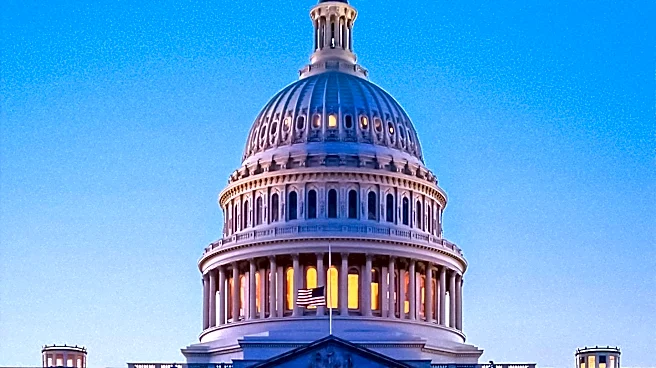
The U.S. House of Representatives has voted against a war powers resolution introduced by Democratic Rep. Rashida Tlaib of Michigan. The resolution aimed to limit President Trump's authority to engage U.S. military forces in Lebanon without congressional
approval. The vote concluded with 189 in favor and 235 against, marking the second time such a measure has failed. The updated resolution, which had some Democratic leadership support, proposed the withdrawal of U.S. armed forces from hostilities in Lebanon within seven days of its adoption. However, it allowed for continued security cooperation with the Lebanese Armed Forces and the protection of diplomatic facilities. Rep. Tlaib argued that the resolution was necessary to end U.S. involvement in what she described as Israel's military campaign against Lebanon. Despite the resolution's failure, Democratic Rep. Gregory Meeks noted that it corrected previous flaws and would not compromise U.S. national security interests.
Why It's Important?
The rejection of this resolution underscores the ongoing debate over the extent of presidential war powers and congressional oversight. The decision maintains the status quo, allowing the president to engage military forces without immediate congressional approval, which has implications for U.S. foreign policy and military strategy in the Middle East. The resolution's failure also highlights divisions within the Democratic Party, as some members supported the measure while others opposed it, citing national security concerns. The outcome may affect U.S. relations with Lebanon and Israel, as well as the broader geopolitical dynamics involving Iran and Hezbollah. The decision reflects the complexity of balancing national security interests with legislative oversight in foreign military engagements.
What's Next?
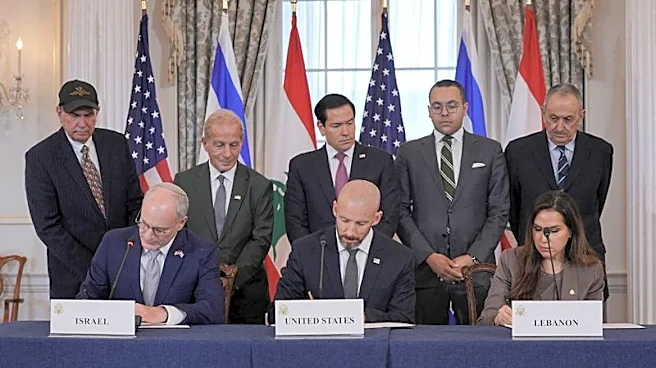
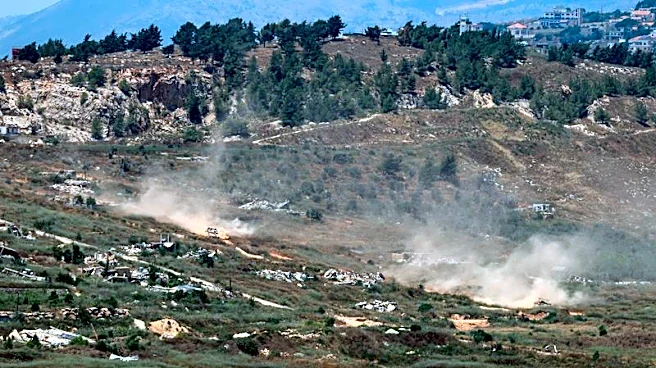
While the resolution was defeated, the debate over presidential war powers is likely to continue, especially as tensions in the Middle East persist. Lawmakers may introduce similar measures in the future, seeking to redefine the balance of power between the executive and legislative branches. The situation in Lebanon remains volatile, with ongoing negotiations involving Israel, Lebanon, and Hezbollah. The U.S. may continue to play a diplomatic role in these discussions, potentially influencing future military and political developments in the region. Congressional leaders may also seek alternative strategies to address concerns about U.S. military involvement abroad.