





What's Happening?
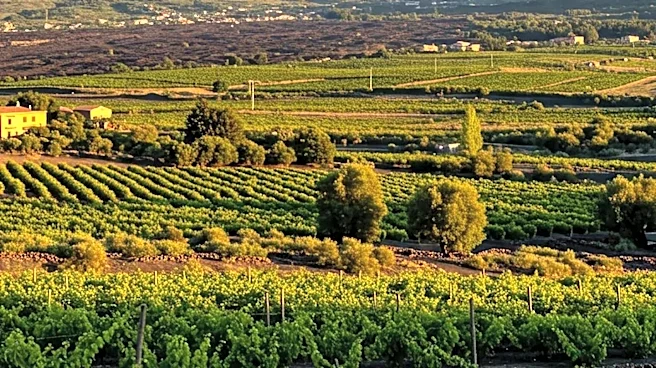
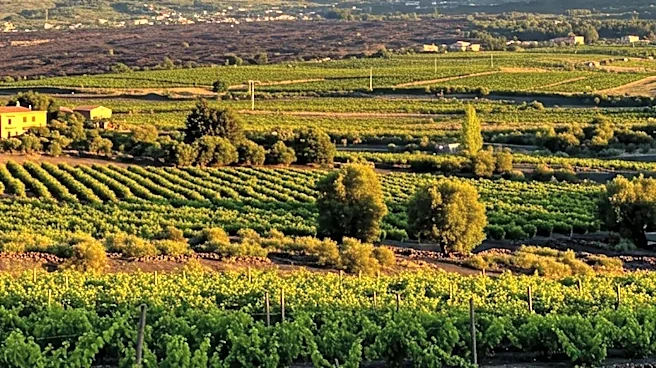
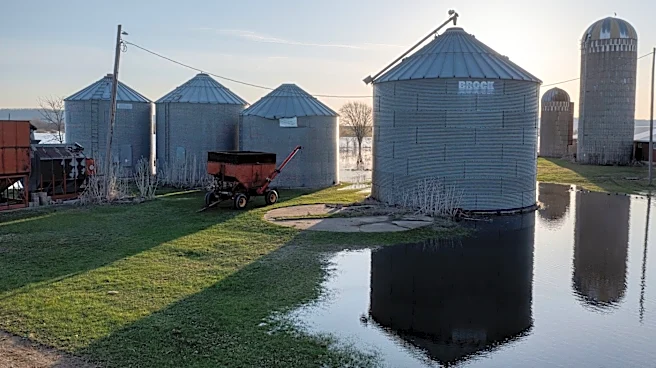
Carol Miller, the Content Lead for American Vegetable Grower, a Meister Media Worldwide publication, recently concluded a week-long tour of farms across Missouri and Kansas. Her visits aimed to observe firsthand how growers are innovating and adapting
their agricultural practices. Miller documented various approaches, from established operations like Happy Hollow Farm, which has expanded into field production with the help of H-2A workers, to resource-conscious farms like Heimsoth Farm, which repurposes black walnut hulls for composting and potential high tunnel heating. She also highlighted farms that have successfully shifted their business models, such as Geiringer's Family Farm, which now attracts customers directly to its on-farm market, and Juniper Hill Farms, known for its farm-to-table pizza nights. Miller emphasized the diversity of strategies employed by these growers to build successful and sustainable farming businesses.
Why It's Important?
This insight into diverse farming practices across Missouri and Kansas is important for the U.S. agricultural sector. It showcases the adaptability and innovation within the industry, particularly among vegetable growers. The reliance on H-2A workers, as seen at Happy Hollow Farm, underscores the critical role of seasonal labor in maintaining and expanding agricultural production, highlighting ongoing discussions about immigration and labor policies. Furthermore, the examples of resourcefulness, like Heimsoth Farm's use of black walnut hulls, demonstrate sustainable practices that could offer economic and environmental benefits if widely adopted. The shift towards direct-to-consumer models, exemplified by Geiringer's Family Farm and Juniper Hill Farms, reflects a broader trend in agriculture to enhance profitability and consumer engagement, potentially influencing market strategies for other U.S. farms.
What's Next?
The observations and insights gathered by Carol Miller are likely to inform future content and discussions within American Vegetable Grower, potentially influencing best practices shared with growers nationwide. The featured farms' innovative approaches, such as integrating organic crop production, protected structures, and regenerative practices, could serve as models for other agricultural businesses seeking to improve efficiency and sustainability. Continued exploration of labor solutions, like the H-2A program, will remain a key area of focus for the industry. Additionally, the success of direct-to-consumer models suggests a growing trend that more farms may adopt, leading to further diversification of agricultural business strategies and potentially impacting local food systems and markets across the U.S.
Beyond the Headlines
Beyond the immediate agricultural practices, Miller's report touches upon several deeper implications. The reliance on the H-2A program at Happy Hollow Farm highlights the complex interplay between agricultural labor needs, immigration policies, and the economic viability of U.S. farms. The narrative implicitly raises questions about labor conditions, worker housing, and the broader social impact of such programs. The innovative use of resources and direct-to-consumer models also points to a cultural shift in farming, moving beyond traditional wholesale to embrace community engagement and experiential agriculture. This evolution could foster stronger local economies and a more direct connection between consumers and their food sources, potentially influencing dietary habits and local food movements across the country.