



What's Happening?
The Transportation Choices Coalition (TCC) and the Snohomish County Transportation Coalition (SNOTRAC) recently hosted a "Walk & Talk" event along State Route 99 in Snohomish County. This event brought together 30 participants, including state and local
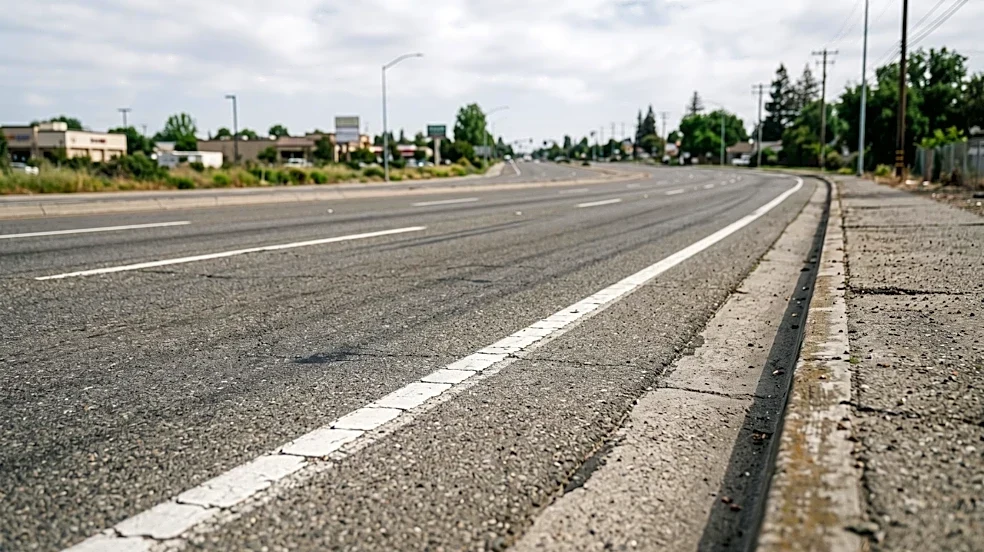
elected leaders, regional planners, and community members, to discuss and observe the significant safety challenges along the SR 99 corridor between 196th St SW and Airport Road. Decades of underinvestment and rapid development have made this section of SR 99 one of Washington's most dangerous roads for pedestrians, cyclists, and transit users. Attendees heard from Washington State Department of Transportation (WSDOT) officials about potential "Complete Streets" solutions and from Sound Transit representatives regarding the upcoming Everett light rail extension. Local organizations, such as the Latino Educational Training Institute (LETI) and North Sound Bicycle Advocates, shared firsthand accounts of the daily difficulties faced by community members relying on SR 99's bus stops, sidewalks, and crossings.
Why It's Important?
The SR 99 corridor's designation as one of Washington's most dangerous roads highlights a critical public safety issue with significant implications for community mobility and equity. The challenges faced by pedestrians, cyclists, and transit users—including long, skewed street crossings, incomplete or narrow sidewalks, lack of dedicated bicycle facilities, frequent commercial driveways, and high vehicle speeds—create barriers to accessing essential services like grocery stores, schools, and healthcare clinics. This disproportionately affects vulnerable populations who rely on these modes of transportation. The "Megaproject for Safety" initiative, championed by TCC and Senator Marko Liias, and the allocation of $100 million in the 2027-2029 state transportation budget for dangerous state-owned highways, signify a crucial step towards addressing these systemic issues. Investing in "Complete Streets" solutions can transform these corridors into safer, more accessible, and equitable spaces, improving the quality of life for residents and fostering more sustainable transportation options.
What's Next?
WSDOT has already developed a pre-design study detailing potential infrastructure safety enhancements for the 6.6-mile section of SR 99. The successful securing of $100 million in the 2027-2029 state transportation budget positions SR 99 for meaningful investment in the coming years. In 2026, the state legislature directed WSDOT to define a Megaproject for Safety program, with $250,000 in initial funding. The Transportation Choices Coalition advocates for this program to adopt a corridor-centric investment approach, rather than isolated projects, to ensure sustained funding and coordinated efforts from multiple partners. The next steps will involve continued advocacy for long-term funding to fully realize the Megaproject for Safety program. This will likely include further community engagement, detailed planning, and the implementation of infrastructure improvements aimed at creating safer and more livable streets along SR 99 and other dangerous state-owned highways.
Beyond the Headlines
The focus on SR 99's safety issues reflects a broader national movement towards "Complete Streets" policies, which prioritize the safety and accessibility of all road users, not just motorists. This initiative underscores a shift in urban planning philosophy, recognizing that transportation infrastructure should serve diverse community needs and promote active transportation. The involvement of organizations like the Latino Educational Training Institute highlights the equity dimension of transportation planning, ensuring that improvements address the specific needs of underserved communities. The "Megaproject for Safety" concept could serve as a model for other states grappling with similar challenges on their state-owned roads that traverse population centers. This long-term investment in infrastructure safety has the potential to not only reduce accidents and fatalities but also to foster healthier, more connected communities by making walking, biking, and public transit more viable and attractive options.