






What's Happening?
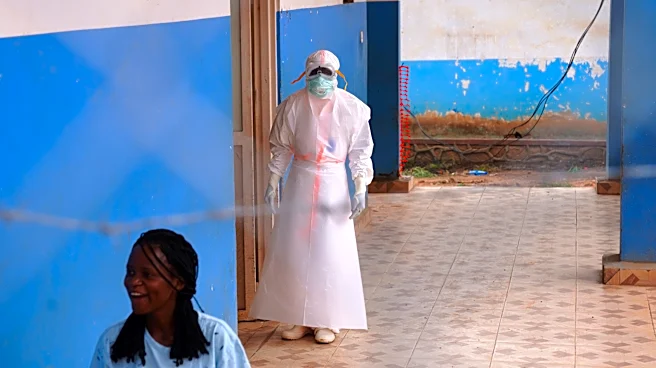
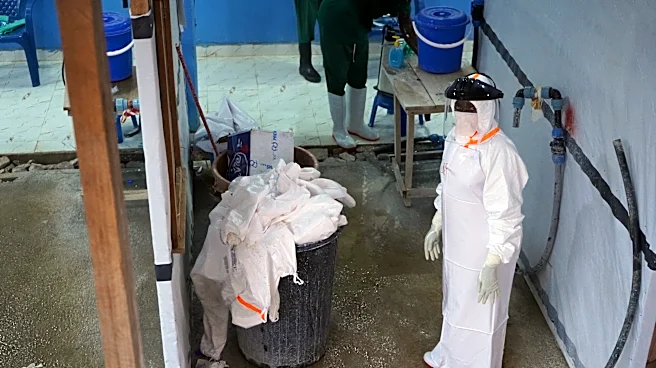
In eastern Congo, health workers at an Ebola treatment center have initiated a strike due to unresolved payment issues, significantly disrupting patient care. The strike, which began on Saturday, involves doctors, nurses, and security staff at the Elikya
Ebola Treatment Center in Bunia, Ituri province. This action comes as the number of confirmed Ebola cases in the region has reached 2,973, with 1,309 deaths reported. The health workers are protesting unpaid bonuses, which they claim have been pending for two months, affecting their morale and ability to provide care. The strike follows a similar protest at Bunia General Hospital, where staff have not received salaries since the outbreak began. The World Health Organization reports that over 100 healthcare workers have been infected since the outbreak started, which is attributed to the rare Bundibugyo virus. The outbreak is the fastest-growing on record, exacerbated by challenges such as armed conflict, mining-related movements, and a lack of approved vaccines or treatments for the virus.
Why It's Important?
The strike by health workers in Congo highlights significant challenges in managing the Ebola outbreak, which poses a threat to public health and safety. The disruption in patient care could lead to further spread of the virus, complicating containment efforts. The situation underscores the critical need for timely payment and support for healthcare workers, who are essential in combating the outbreak. The lack of approved vaccines for the Bundibugyo virus further complicates response efforts, as does the ongoing conflict in the region. The strike also draws attention to the broader issue of healthcare infrastructure and funding in crisis-affected areas, which can hinder effective disease management and response. The international community may need to increase support and resources to address these challenges and prevent the outbreak from escalating further.
What's Next?
The resolution of the strike and payment issues is crucial for resuming effective patient care and controlling the Ebola outbreak in Congo. Congolese authorities are under pressure to address the unpaid bonuses and salaries to ensure healthcare workers can return to their duties. The ongoing study of potential Ebola treatments in Ituri offers some hope for managing the outbreak, but immediate action is needed to stabilize the situation. International organizations and governments may need to step up their support to fill funding gaps and provide necessary resources. The situation requires close monitoring to prevent the outbreak from spreading beyond Central Africa, although the World Health Organization currently assesses the global risk as low.