
What's Happening?
On February 8, 2026, explosions were reported in Kyiv following a double Russian ballistic missile attack. The attack, confirmed by Kyiv Mayor Vitalii Klitschko, prompted Ukraine's air defense to intercept
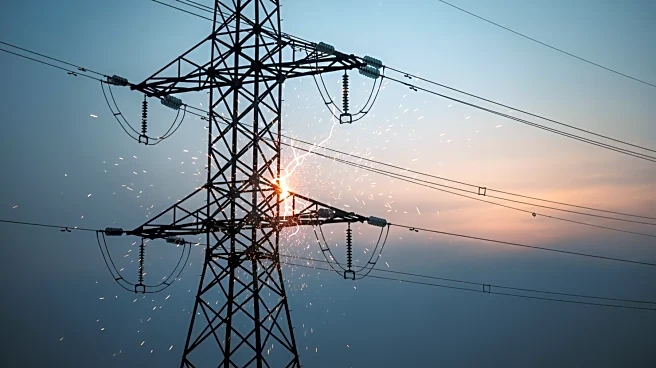
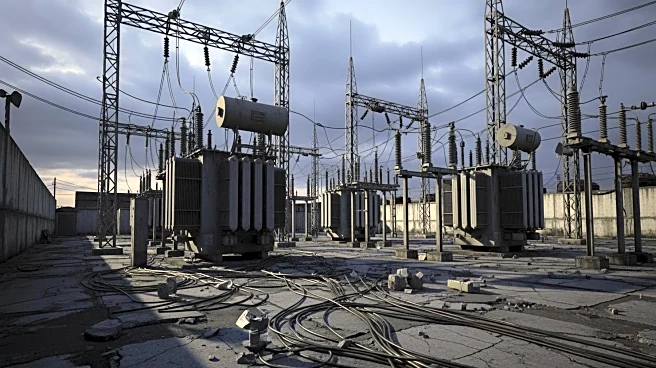
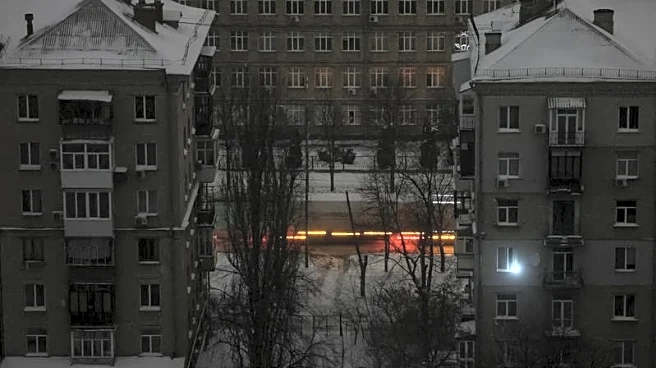
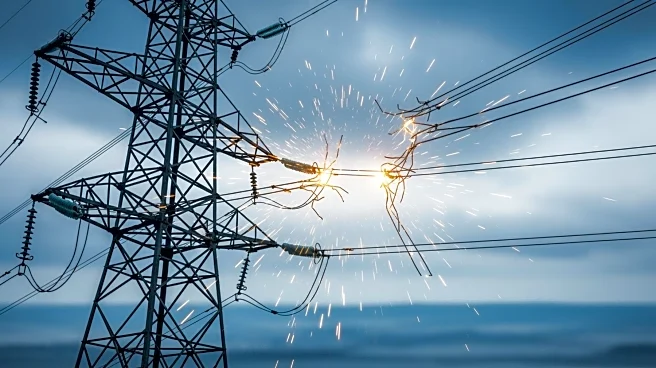
the missiles, and residents were urged to remain in shelters. The assault is part of Russia's ongoing campaign against Ukraine's energy infrastructure, which has severely damaged the country's power grid. As a result, Kyiv residents have been experiencing significant power outages, receiving only one-and-a-half to two hours of electricity per day. The situation is exacerbated by freezing temperatures, with further cold snaps expected to strain the energy system.
Why It's Important?
The missile attack underscores the vulnerability of Ukraine's energy infrastructure amid ongoing conflict with Russia. The damage to the power grid has led to widespread blackouts, affecting daily life and potentially endangering lives during the harsh winter months. This situation highlights the broader geopolitical tensions in the region and the humanitarian impact of the conflict. The attacks on energy infrastructure are part of a strategy to weaken Ukraine's resilience and disrupt its economy, posing significant challenges for the country's government and its ability to provide essential services to its citizens.
What's Next?
Ukraine's government is likely to continue efforts to repair and stabilize the energy grid, while also seeking international support to bolster its defenses against further attacks. The ongoing conflict may prompt additional sanctions or diplomatic actions from Western countries against Russia. Meanwhile, Ukraine's energy sector will need to explore alternative solutions to ensure a stable power supply, potentially accelerating investments in renewable energy and infrastructure resilience. The international community's response to the humanitarian crisis in Ukraine will be crucial in providing relief and support to affected populations.