


What's Happening?
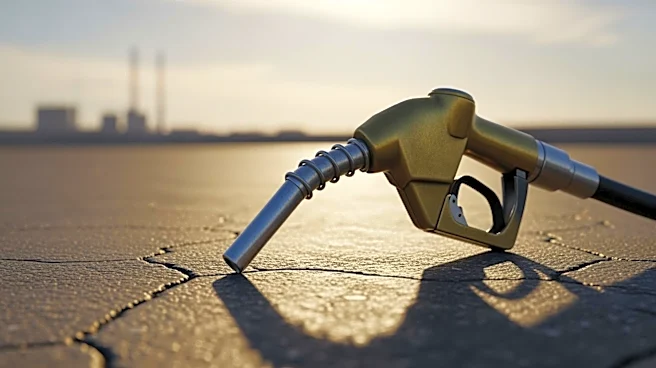
OPEC+ has decided to increase its oil output targets for the fourth consecutive month, despite ongoing disruptions caused by the U.S. conflict with Iran, which has severely impacted oil flows through the Strait of Hormuz. This decision comes as the group,
which includes key members like Saudi Arabia and Russia, faces a significant supply crisis. The conflict has led to a reduction in production, with OPEC+ output dropping from 42.77 million barrels per day in February to 33.19 million in April. The latest increase will see output targets rise by 188,000 barrels per day starting in July, maintaining the same level as the June hike. However, the actual impact of these increases is limited due to the continued closure of the Strait of Hormuz, a critical chokepoint for global oil shipments.
Why It's Important?
The decision by OPEC+ to raise output quotas highlights the ongoing challenges faced by the global oil market amid geopolitical tensions. The closure of the Strait of Hormuz has created a significant supply bottleneck, affecting global oil prices and market stability. While the increase in quotas aims to address supply shortages, the inability to transport oil through the strait limits the effectiveness of these measures. This situation underscores the vulnerability of global energy markets to geopolitical conflicts and the critical role of strategic chokepoints in oil distribution. The continued closure of the strait could lead to further volatility in oil prices, impacting economies worldwide, particularly those heavily reliant on oil imports.
What's Next?
The reopening of the Strait of Hormuz remains a key factor in stabilizing the global oil market. Should the strait reopen, there could be a rapid shift from concerns over shortages to fears of oversupply, as noted by analysts. This potential shift could lead to significant fluctuations in oil prices, affecting both producers and consumers. OPEC+ will need to closely monitor the situation and adjust its output strategies accordingly. Additionally, diplomatic efforts to resolve the conflict between the U.S. and Iran could play a crucial role in determining the future of oil flows through the region.