




What's Happening?
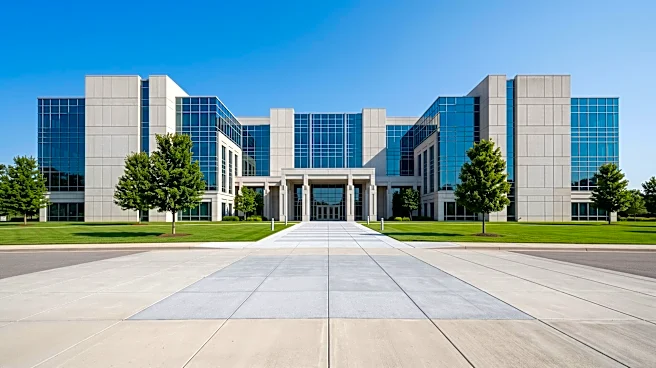
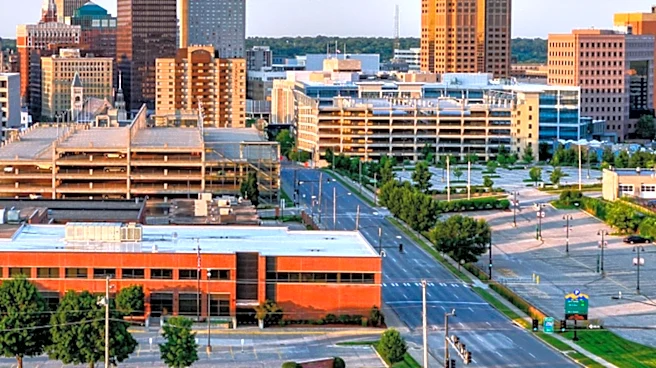
Community members and scientists in Columbia, Maryland, are urging the Maryland Department of the Environment (MDE) to deny W.R. Grace's air quality operating permit for its plastic recycling research project. The Stop Grace Coalition, a local community
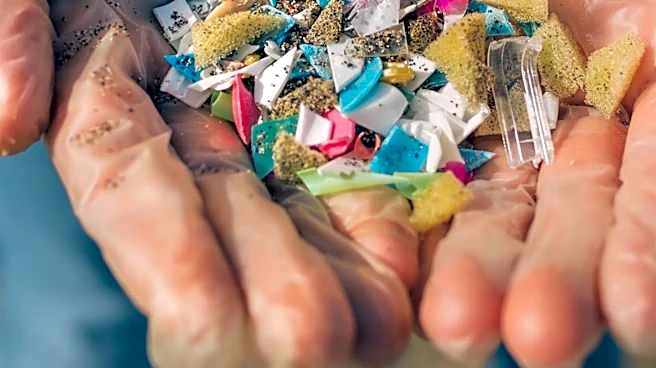
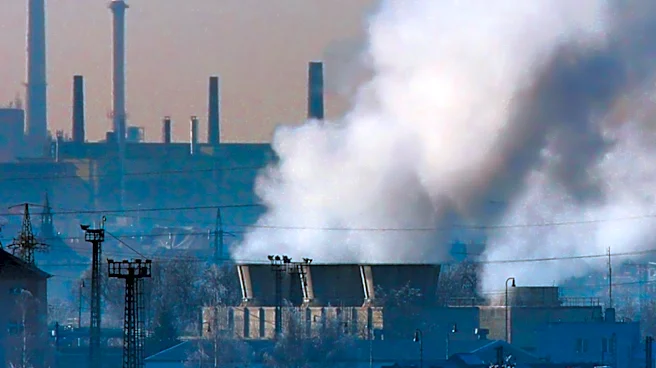
group, and several scientists have expressed significant concerns about potential health and environmental risks associated with the facility's operations. Residents living near the plant have reported issues with air pollution, alleging that the facility burns plastics. Dr. Marsha Wills Karp, chair of the Department of Environmental Health and Engineering at Johns Hopkins Bloomberg School of Public Health, emphasized the well-documented negative health impacts of living near plastic processing facilities. Dr. Ana Maria Rule, an assistant professor at Johns Hopkins, also highlighted residents' complaints about loud overnight noises disturbing their sleep, linking noise exposure to various health risks. W.R. Grace, however, denies burning plastics or causing harmful noise, stating that their small-scale research initiative explores new plastic recycling methods and complies with all Maryland air regulations, with negligible emissions treated by state-of-the-art equipment. MDE has stated that the facility operates under all air emission standards and includes extra health protections.
Why It's Important?
This situation is important as it highlights the tension between industrial development, environmental protection, and public health concerns in local communities. The debate over W.R. Grace's permit underscores the challenges regulatory bodies face in balancing economic activity with the well-being of residents. The involvement of scientists from institutions like Johns Hopkins adds significant weight to the community's concerns, providing expert analysis on potential health impacts. If the permit is granted despite these objections, it could set a precedent for how environmental regulations are enforced, potentially impacting other communities near industrial facilities. Conversely, if the permit is denied or modified, it could empower community groups and strengthen environmental oversight, influencing future industrial projects and public health policies related to chemical processing and recycling across the U.S. The allegations of plastic burning and noise pollution also raise questions about corporate accountability and transparency in environmental practices.
What's Next?
The Maryland Department of the Environment (MDE) will review the input received from community members and scientists before making a final determination on W.R. Grace's air quality operating permit. This review process will likely involve a thorough re-evaluation of the facility's environmental impact assessments and compliance records. The Stop Grace Coalition and supporting scientists will continue to advocate for the denial or significant modification of the permit, potentially organizing further protests or legal actions if their concerns are not adequately addressed. W.R. Grace will likely continue to defend its operations, emphasizing its compliance with regulations and the potential environmental benefits of its recycling research. The outcome of this decision could lead to increased scrutiny of similar industrial permits in Maryland and potentially influence environmental policy discussions at a state level, particularly concerning chemical recycling and its associated health and environmental risks.
Beyond the Headlines
This local dispute in Columbia, Maryland, reflects a broader national and global conversation about the environmental and health implications of plastic waste and recycling technologies. While plastic recycling is often promoted as a solution to pollution, the methods used, particularly chemical recycling, are increasingly scrutinized for their potential to generate harmful emissions and byproducts. The community's resistance to W.R. Grace's facility highlights a growing public demand for greater transparency and stricter oversight of industrial operations, especially those located near residential areas. This case also touches upon environmental justice issues, as communities often bear the brunt of industrial pollution. The scientific backing for the residents' concerns could influence how 'green' technologies are perceived and regulated, pushing for more genuinely sustainable and less impactful solutions in the future. It underscores the ethical responsibility of corporations to ensure their operations do not compromise public health, even in the pursuit of environmental solutions.