






What's Happening?
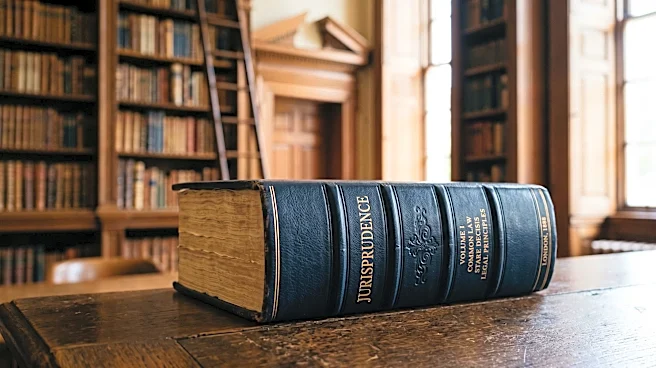
PEN America, alongside Protect Democracy Project and Reporters Without Borders (RSF USA), has filed an amicus brief supporting the plaintiffs in the ongoing multidistrict litigation against OpenAI. The case, consolidated in a Manhattan court under Judge
Sidney Stein, centers on whether the use of copyrighted materials to train artificial intelligence models constitutes 'fair use.' OpenAI and Microsoft argue that their models 'learn' from these works without reproducing them, while publishers contend it is unlicensed copying that results in products competing with their original content. This legal battle involves numerous organizations, with briefs filed both in support of the plaintiffs, including the Authors Guild and The New York Times, and in defense of OpenAI and Microsoft, such as the Electronic Frontier Foundation and the American Library Association. The court has approved the filing of 56 amicus briefs, highlighting the broad interest and potential implications of this case for copyright law and the tech industry.
Why It's Important?
This litigation is crucial for the future of intellectual property rights in the digital age, particularly concerning artificial intelligence. The outcome will significantly impact how AI models are developed and trained, potentially setting precedents for licensing agreements and the economic models of content creators. If the court rules against 'fair use' in this context, AI developers may face increased costs and legal hurdles for accessing data, which could slow innovation or shift development towards models trained on public domain or licensed content. Conversely, a ruling in favor of 'fair use' could diminish the value of copyrighted works, affecting the livelihoods of authors, journalists, and publishers whose content is used without direct compensation. The involvement of organizations like PEN America underscores the concern for a free press, as the ability of news organizations to protect their content from unauthorized use by AI could determine their financial viability and capacity to produce independent journalism.
What's Next?
United States District Judge Sidney Stein is expected to rule on the 'fair use' question without a trial, a decision that will likely shape licensing markets and the tech industry's legal exposure. The numerous amicus briefs filed by a diverse range of stakeholders, from advocacy groups to tech companies and individual artists, indicate the complexity and far-reaching consequences of this case. Regardless of the initial ruling, appeals are highly probable, suggesting a prolonged legal process. The resolution of this case will influence future legislative efforts regarding AI and copyright, potentially leading to new regulations or industry standards for data usage and compensation. Stakeholders on both sides will closely monitor the proceedings, preparing for potential shifts in business models and legal strategies based on the court's determination.
Beyond the Headlines
The OpenAI copyright fight extends beyond mere legal technicalities, touching upon fundamental questions about creativity, ownership, and the nature of intelligence in the age of AI. It raises ethical dilemmas about whether machines can 'learn' in the same way humans do, and if that learning process should be exempt from traditional copyright protections. The case also highlights the tension between technological advancement and the protection of human intellectual labor. A ruling could redefine the concept of authorship and the economic value of creative works, potentially leading to a re-evaluation of how society values and compensates creators in an increasingly AI-driven world. This legal battle is a bellwether for how legal frameworks will adapt to rapid technological change, with implications for artistic expression, information dissemination, and the broader digital economy.