







What's Happening?
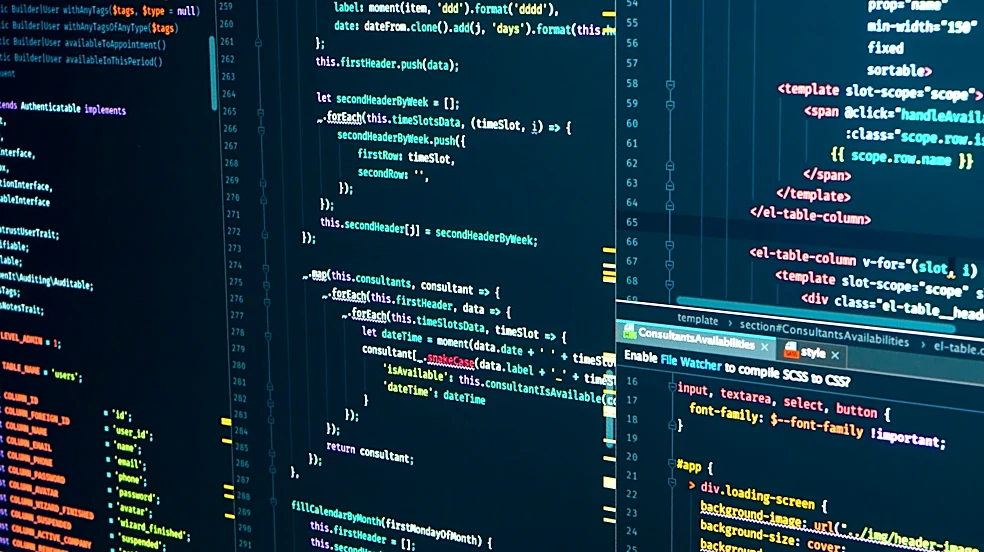
MSU Federal Credit Union (MSUFCU) has temporarily taken its website and digital banking services offline in response to a cybersecurity warning issued by the FBI. The FBI's cyber division alerted organizations about vulnerabilities in PHP, a widely used
programming language for websites and web applications. These vulnerabilities could allow malicious actors to remotely execute code, potentially compromising sensitive data and networks. MSUFCU officials stated that this measure was taken out of an abundance of caution to implement additional security updates. While digital services are down, MSUFCU confirmed that members' debit and credit cards are still functional, and their call center and physical branches remain available for assistance. The credit union has indicated there is no evidence that member information has been compromised, emphasizing that these steps are preventative to protect member data.
Why It's Important?
This incident highlights the critical and evolving threat landscape in cybersecurity, particularly for financial institutions. The FBI's warning about PHP vulnerabilities underscores how widespread software components can become targets, affecting numerous organizations simultaneously. For MSUFCU members, the temporary disruption of digital banking services, while inconvenient, is a necessary step to safeguard their financial information. This proactive measure by MSUFCU, following the FBI's guidance, demonstrates the serious implications of potential data breaches and the importance of immediate action to mitigate risks. The reliance on human intervention for emergency services, as seen in other contexts, contrasts with the automated nature of these cyber threats, emphasizing the need for robust digital defenses in an increasingly interconnected world.
What's Next?
MSUFCU is currently working to update its systems and implement additional security protections before restoring access to its website and digital banking services. The credit union will likely provide updates to its members regarding the timeline for service restoration. Other organizations in the U.S. and Europe that utilize PHP may also be taking similar precautionary measures, or are in the process of applying security patches. This event could prompt a broader review of cybersecurity protocols and software dependencies across various sectors, encouraging more proactive responses to FBI warnings and similar advisories. The focus will be on ensuring that the implemented security updates effectively address the identified vulnerabilities before services are brought back online.
Beyond the Headlines
The incident with MSUFCU reflects a growing trend where AI-assisted discoveries of software vulnerabilities are leading to rapid, widespread cybersecurity alerts. This development suggests a future where the speed of threat identification and the necessary response times will dramatically accelerate. The decision to take services offline, even without confirmed compromise, illustrates a shift towards extreme caution in managing digital risks, prioritizing data security over uninterrupted service in critical situations. This could lead to increased investment in AI-driven security solutions and more stringent protocols for software supply chain integrity. Furthermore, it underscores the ongoing challenge for organizations to balance the convenience of digital services with the imperative of protecting sensitive information from sophisticated cyber threats.