



What's Happening?
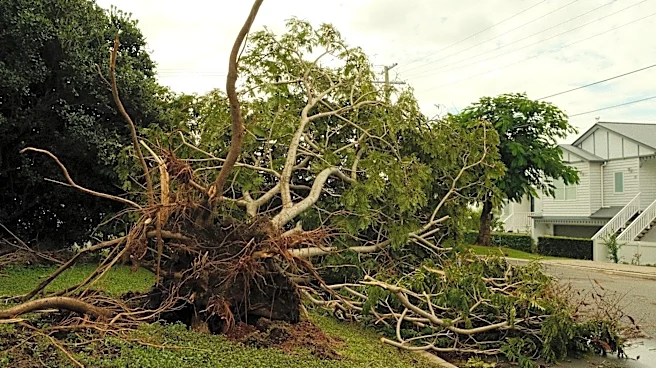
Wyandotte County, Kansas, has been officially declared a disaster area after severe storms on Tuesday left thousands of residents without power. Mayor Christal Watson announced the declaration, following collaboration with Governor Laura Kelly and state
officials. The primary challenge identified is the restoration of electricity, with approximately 3,500 homes requiring repairs by licensed electricians before power can be reconnected. In response, the Unified Government is waiving all permitting fees for electrical work and is actively seeking volunteer licensed electricians to assist with the extensive repairs needed. The Board of Public Utilities (BPU) has significantly scaled up its efforts, bringing in crews from six other cities, engaging 26 contractors, and quadrupling its standard crew count. Mayor Watson noted that workers are operating on 16-hour shifts and have canceled vacations to expedite the restoration process. Community members are also urged to check on neighbors, especially those with disabilities or medical needs.
Why It's Important?
This disaster declaration is crucial for Wyandotte County as it unlocks state resources and aid necessary for a comprehensive recovery. The widespread power outages, affecting thousands of homes, highlight significant infrastructure vulnerabilities to severe weather events. The decision to waive permitting fees for electrical work and solicit volunteer electricians demonstrates a proactive approach to mitigate the economic and social disruption caused by the storms. For residents, the prolonged power loss poses health and safety risks, particularly for vulnerable populations, and disrupts daily life and local commerce. The collaboration between local and state officials, including Governor Kelly, underscores the importance of inter-governmental coordination in disaster response. The increased deployment of utility crews and contractors signifies a substantial commitment to restoring essential services, which is vital for the community's stability and economic continuity. The call for community support also emphasizes the role of local solidarity in overcoming such crises.
What's Next?
The immediate focus for Wyandotte County will be the continued restoration of power to the remaining 3,500 homes. This will involve ongoing efforts by the expanded BPU crews and the integration of volunteer licensed electricians. The Unified Government will likely continue its outreach to the community, providing updates on power restoration timelines and available resources for affected residents. Mayor Watson's call for neighbors to check on each other suggests an ongoing need for community support and welfare checks, particularly for those with medical needs. State officials, in conjunction with Governor Kelly's office, will continue to monitor the situation and provide necessary assistance as the recovery progresses. The long-term implications may include assessments of the electrical infrastructure to enhance resilience against future severe weather events, potentially leading to investments in grid modernization or undergrounding power lines in vulnerable areas.
Beyond the Headlines
The severe storms in Wyandotte County and the subsequent disaster declaration underscore broader challenges related to climate change and aging infrastructure in the U.S. The increasing frequency and intensity of extreme weather events place immense strain on local utilities and emergency services, highlighting the need for robust disaster preparedness and response strategies. The reliance on licensed electricians for home repairs post-storm also points to potential bottlenecks in recovery efforts, suggesting a need for streamlined processes or increased availability of skilled tradespeople during emergencies. Furthermore, the community's response, with calls for neighbors to assist one another, reflects the critical role of social capital and local networks in mitigating the impacts of disasters. This event could serve as a case study for other communities facing similar vulnerabilities, prompting discussions on how to better integrate state and local resources, engage private sector support, and foster community resilience in the face of environmental challenges.