




What's Happening?
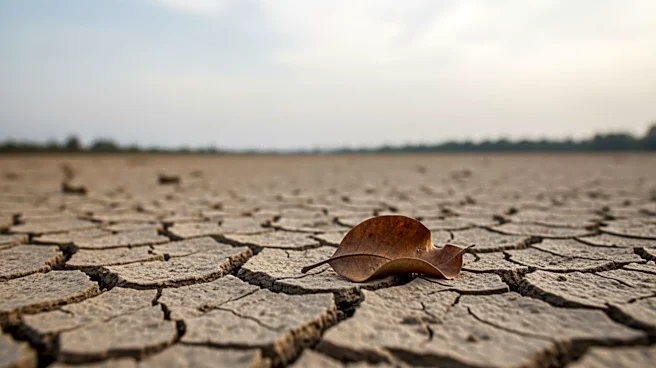
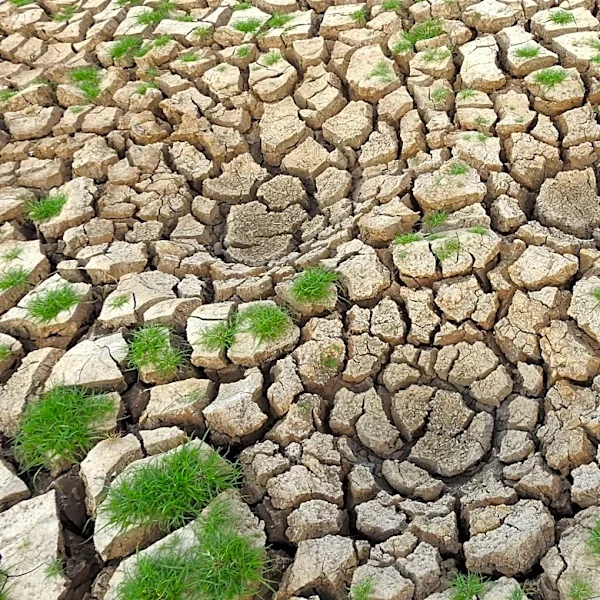
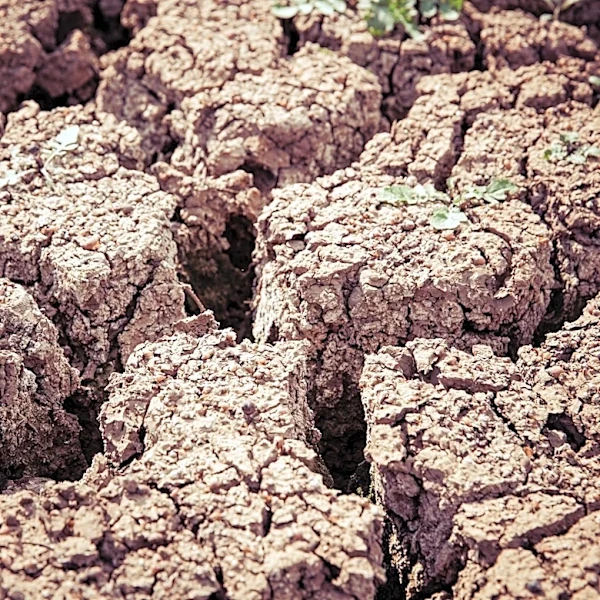
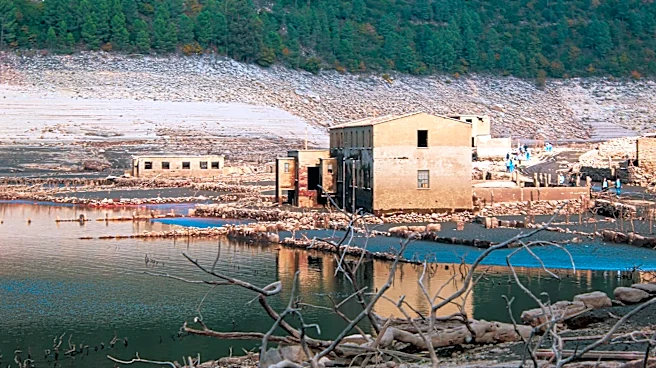
Massachusetts officials have declared a significant drought (Level 2) in several regions, including the Southeast, Cape Cod, and Islands, due to prolonged below-average rainfall. Energy and Environmental Affairs Secretary Rebecca Tepper highlighted the increasing
stress on local water resources, urging residents to limit outdoor water use to preserve supplies. The state has experienced two years of declining rainfall, affecting groundwater and streamflow levels. The Connecticut River Valley and Central regions are also at Level 2, while the Northeast sector faces a critical Level 3 drought. The state's Western region is at Level 1, indicating mild drought conditions. Recent rainfall has been insufficient to replenish water levels, prompting officials to implement water use restrictions as outlined in the Massachusetts Drought Management Plan.
Why It's Important?
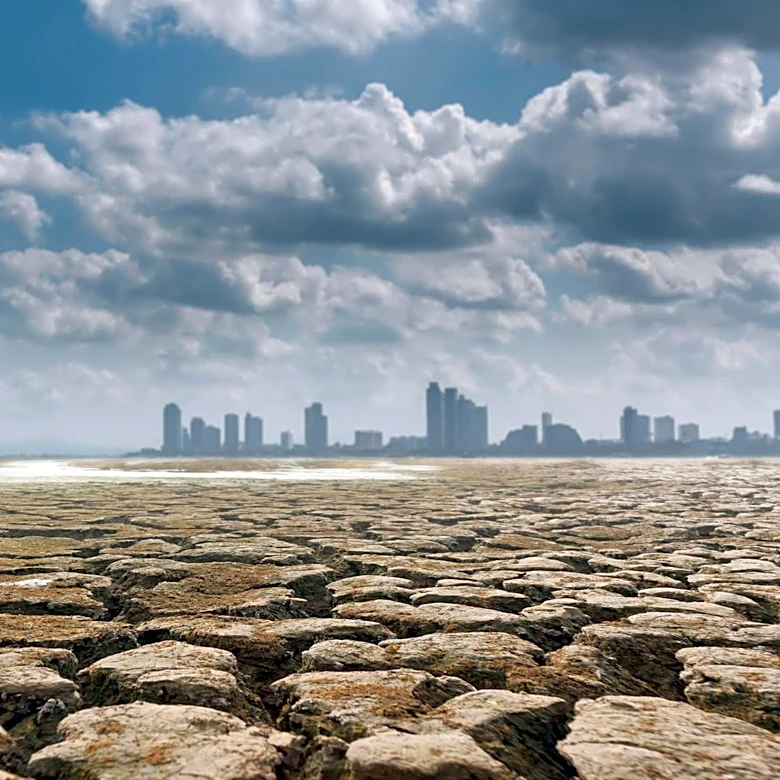
The worsening drought conditions in Massachusetts underscore the broader challenges of water management in the face of climate change. Prolonged dry spells can have severe implications for agriculture, public health, and local economies. Water shortages may lead to increased competition for resources, affecting both urban and rural communities. The situation highlights the need for sustainable water management practices and infrastructure investments to ensure long-term water security. As climate change continues to alter weather patterns, states like Massachusetts must adapt to more frequent and severe droughts, which could become a recurring challenge.
What's Next?
As the summer progresses, Massachusetts officials will likely continue to monitor water levels closely and adjust restrictions as needed. Public awareness campaigns may be intensified to encourage water conservation among residents and businesses. The state may also explore long-term strategies to enhance water resilience, such as investing in infrastructure improvements and exploring alternative water sources. Collaboration with neighboring states could be crucial in managing shared water resources and developing regional solutions to address the impacts of climate change on water availability.