




What's Happening?
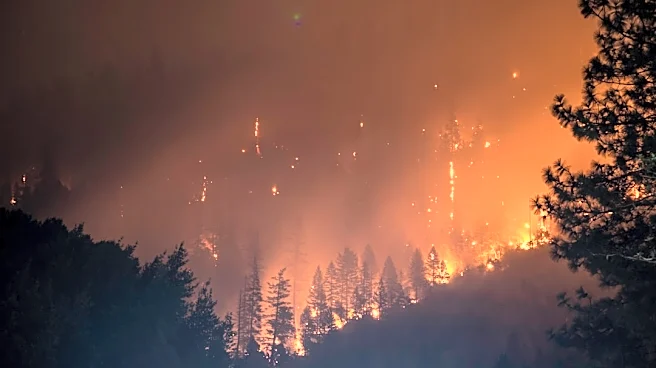
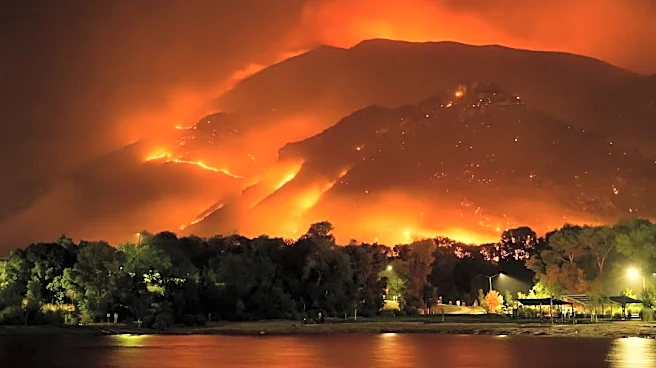
Washington State is currently experiencing a challenging wildfire season, with nearly 1 million acres burned across the state. Despite recent cooler temperatures and beneficial rainfall, fire officials, including Ryan Rodruck with the state Department
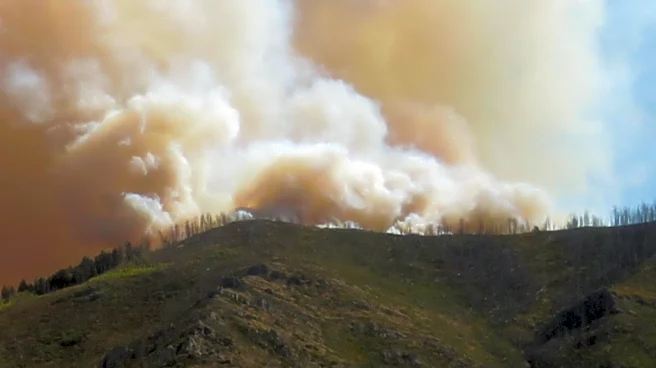
of Natural Resources, indicate that these efforts are not sufficient to fully extinguish the fires. Over 900,000 acres have been consumed statewide, and fires are expected to persist on the landscape. Dry vegetation remains a significant concern, particularly in western Washington, where autumn colors are emerging. Pierce County Fire Marshal Ken Rice noted that while precipitation helps, new and lingering fuels on the ground, such as dead leaves and grass, can easily ignite. The state's two largest wildfires have collectively burned over 330,000 acres, with the Little Giant Fire in Chelan County alone consuming more than 172,000 acres and being 81% contained as of August 15. Access to some of the largest incidents remains difficult due to steep terrain. A statewide burn ban on large outdoor or agricultural burning is in effect until September 30, though Pierce County has lowered its burn ban restrictions to Stage 1 for unincorporated areas, allowing small recreational fires and barbecues.
Why It's Important?
The ongoing wildfire crisis in Washington State carries significant environmental, economic, and public health implications. The destruction of nearly 1 million acres of land impacts ecosystems, wildlife habitats, and air quality across the region. Smoke from these fires can travel long distances, affecting respiratory health for residents even far from the burn zones. Economically, the costs associated with firefighting efforts are substantial, diverting resources that could be used for other state services. Furthermore, the fires threaten infrastructure, homes, and agricultural lands, potentially leading to long-term economic losses for affected communities. The persistence of dry vegetation despite cooler weather highlights the increasing challenges posed by changing climate patterns, making fire seasons longer and more intense. The need for a 'season-ending rain event' underscores the vulnerability of the region to prolonged drought conditions and the difficulty in controlling large-scale blazes in rugged terrain. The burn bans and restrictions reflect efforts to mitigate further human-caused ignitions, emphasizing the collective responsibility in preventing additional fires.
What's Next?
Firefighters in Washington State will continue to work towards containment of the remaining fires, particularly those in steep and difficult-to-access terrain. Officials anticipate that some fires will persist through the fall, potentially extending into October or longer, as they await a widespread, season-ending rain event. The statewide burn ban on large outdoor or agricultural burning will remain in effect until September 30, and local fire marshals will continue to assess and adjust burn restrictions based on local conditions. Communities will likely focus on recovery and mitigation efforts in areas affected by the fires, including assessing damage to infrastructure and natural resources. There may also be ongoing discussions and policy considerations regarding long-term wildfire prevention strategies, land management practices, and resource allocation for future fire seasons, especially given the increasing severity and duration of these events. Public awareness campaigns about fire safety and responsible outdoor activities are also likely to continue.
Beyond the Headlines
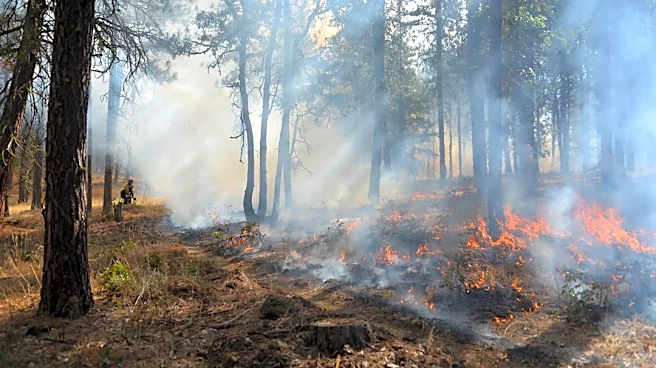
The extensive wildfires in Washington State underscore broader issues related to climate change and its impact on natural disaster frequency and intensity. The prolonged fire season and the difficulty in containing fires despite some precipitation suggest a shift in environmental conditions that could become the new norm. This situation highlights the critical need for adaptive land management strategies, including forest thinning and controlled burns, to reduce fuel loads and enhance forest resilience. Furthermore, the fires bring into focus the interconnectedness of environmental health and public well-being, as air quality degradation and ecological disruption have far-reaching consequences. The challenges faced by firefighters in accessing remote areas also point to the need for technological advancements and increased investment in specialized equipment and training for wildland firefighting. The long-term implications extend to water resources, as burned areas can lead to increased runoff and erosion, affecting water quality and supply in subsequent seasons. This ongoing crisis serves as a stark reminder of the complex and evolving nature of environmental threats facing the U.S. and the urgent need for comprehensive, proactive solutions.