







What's Happening?
Spain is actively monitoring the risk of transmission for mosquito-borne diseases like dengue and chikungunya, particularly after observing autochthonous cases in other European countries. According to a report from the Center for Coordination of Health
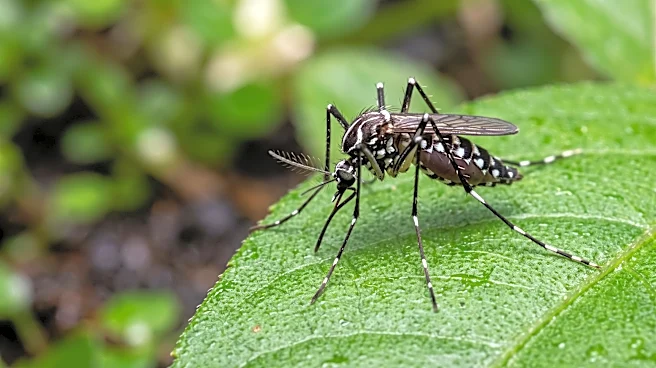
Alerts and Emergencies (CCAES), Spain recorded 487 imported cases of Aedes mosquito-transmitted diseases in the first ten months of 2026. This total includes 301 cases of dengue, 175 of chikungunya, and 11 of zika. The presence of the Aedes albopictus mosquito in Spain is identified as a significant public health risk due to its potential to facilitate local transmission, especially during periods of increased international travel and peak mosquito activity between April and November. The report highlights a notable increase in imported chikungunya cases from Bolivia, with 87 out of 166 cases with known exposure countries originating from there, compared to only 7 in 2025. Cuba is the second most frequent country of exposure for chikungunya, accounting for 29 cases. The majority of chikungunya patients from Bolivia were women (65 out of 87) and primarily aged between 45 and 54 years. Most of these individuals (92%) traveled to visit family or friends.
Why It's Important?
The vigilance in Spain regarding imported chikungunya cases, particularly the significant increase from Bolivia, underscores the global interconnectedness of public health and the challenges posed by vector-borne diseases. While the immediate focus is on Spain, the broader implication is the potential for these diseases to spread to new regions, including the U.S., given international travel patterns. The Aedes mosquito, capable of transmitting chikungunya, is present in various parts of the U.S., raising concerns about potential local transmission if imported cases are not effectively managed. The demographic profile of those affected—primarily individuals visiting family—suggests a common travel pattern that could facilitate disease introduction into new areas. This situation highlights the critical need for robust surveillance systems, public health education for travelers, and mosquito control programs in countries susceptible to these diseases. The experience in Spain serves as a reminder for other nations, including the U.S., to maintain high alert for imported cases and to assess their own preparedness for potential local outbreaks.
What's Next?
Spanish health authorities will continue to interpret recent data with caution, acknowledging potential delays in notification and diagnosis. Although there has been a recent reduction in dengue cases from Maldives and chikungunya cases from Bolivia, these trends are considered provisional. The ongoing monitoring of imported cases and the presence of the Aedes albopictus mosquito mean that Spain will likely maintain its heightened surveillance efforts. The European context, with France and Italy reporting autochthonous cases of dengue and chikungunya, further emphasizes the need for continued vigilance across the continent. For the U.S., this situation suggests a need to monitor travel-related chikungunya cases and to reinforce public health measures, especially in areas with established Aedes mosquito populations. International collaboration and information sharing will be crucial in tracking and mitigating the spread of these diseases globally.
Beyond the Headlines
The rise in chikungunya cases linked to travel, particularly for family visits, reveals a deeper societal pattern where personal connections drive global movement, inadvertently facilitating disease transmission. This contrasts with tourism-driven outbreaks, suggesting that different public health strategies might be needed for various travel motivations. The disproportionate impact on women and specific age groups among those traveling from Bolivia for family visits could indicate underlying socioeconomic factors or caregiving roles that influence travel patterns and exposure risks. This situation also highlights the ethical considerations surrounding travel restrictions versus public health education, especially when travel is for essential family connections rather than leisure. The long-term implications include the potential for chikungunya to become endemic in new regions if local transmission cycles are established, leading to increased healthcare burdens and potential economic impacts on affected communities.