





What's Happening?
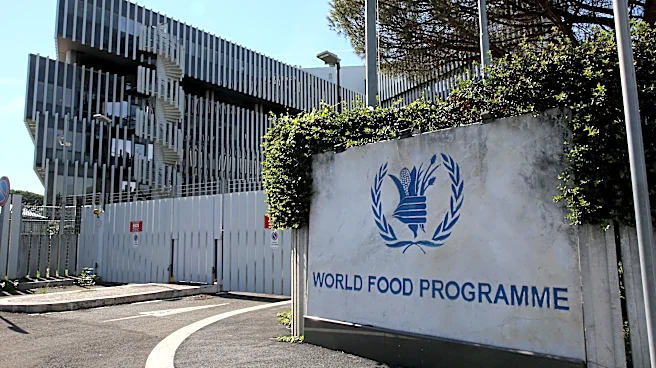
The World Food Programme (WFP) is actively seeking a Resilience Consultant for its Guatemala City office. This role is crucial for leading resilience and food systems programming in Guatemala, with a specific focus on market access, value chains, and climate-smart
agriculture. The consultant will also be responsible for coordinating activities funded by the Korea International Cooperation Agency (KOICA) and contributing to fundraising efforts. The WFP Guatemala Country Office is currently implementing its Country Strategic Plan (CSP) 2021–2026, which prioritizes resilience building, food systems strengthening, and climate change adaptation. The organization aims to expand its focus on market access, entrepreneurship, and climate-smart agriculture to support smallholder farmers and vulnerable communities in developing sustainable livelihoods. The selected consultant will provide technical leadership and coordination for WFP Guatemala’s food systems and market access initiatives, including entrepreneurship, value chain development, and integrated resilience programming. The position requires an advanced university degree in relevant fields such as International Affairs, Economics, Agriculture, or Environmental Science, along with fluency in English and desirable proficiency in Spanish. The application deadline for this six-month consultant position is November 10, 2026.
Why It's Important?
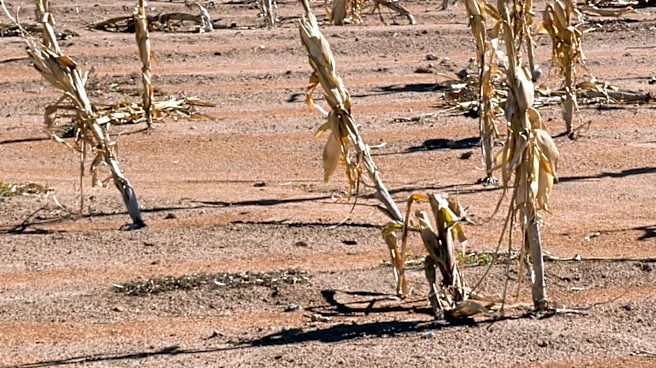
This recruitment highlights the WFP's ongoing commitment to addressing food insecurity and promoting sustainable development in vulnerable regions. The focus on resilience and food systems in Guatemala is particularly significant given the country's susceptibility to climate change impacts and the need to support smallholder farmers. By strengthening market access and value chains, the WFP aims to empower local communities, reduce their reliance on external aid, and foster long-term economic stability. The coordination of KOICA-funded activities underscores the importance of international partnerships in achieving these humanitarian goals. The consultant's role in fundraising is also critical, as it ensures the continued financial viability of these programs, allowing the WFP to expand its reach and impact. The initiative contributes to broader global efforts to achieve Sustainable Development Goals, particularly those related to zero hunger and climate action, by building local capacities and promoting self-sufficiency.
What's Next?
The WFP will proceed with the selection process for the Resilience Consultant, with applications closing on November 10, 2026. Once appointed, the consultant will immediately begin leading and coordinating WFP Guatemala’s food systems and market access initiatives. This will involve developing and implementing projects aligned with the current CSP 2021–2024 and the upcoming CSP 2026-2030. Key activities will include enhancing market access, strengthening value chains, and promoting climate-smart agricultural practices. The consultant will also be instrumental in managing the KOICA Integrated Resilience Project and securing additional funding through proposal development and donor engagement. The success of this role is expected to lead to improved food security, enhanced livelihoods for smallholder farmers, and increased resilience against climate shocks in Guatemala. The WFP will continue to monitor the impact of these programs and adapt its strategies to meet evolving needs in the region.
Beyond the Headlines
The WFP's strategic focus on resilience and food systems in Guatemala reflects a broader shift in humanitarian aid towards sustainable, long-term solutions rather than just emergency response. By investing in market access and climate-smart agriculture, the WFP is addressing the root causes of food insecurity, such as economic vulnerability and environmental degradation. This approach not only provides immediate relief but also builds the capacity of communities to withstand future shocks, fostering self-reliance and reducing dependency on external assistance. The emphasis on entrepreneurship and value chain development can stimulate local economies, create employment opportunities, and empower marginalized populations. Furthermore, the integration of climate change adaptation strategies acknowledges the critical link between environmental sustainability and food security, highlighting a holistic approach to development that is essential in an era of increasing climate volatility. This initiative serves as a model for how international organizations can collaborate with local governments and communities to achieve lasting positive change.