




What's Happening?
Uganda has commenced the withdrawal of its troops from Somalia, as announced by General Muhoozi Kainerugaba, Chief of Defence Forces, on October 29. Ugandan troops have been a significant contingent in the African Union Support and Stabilisation Mission
in Somalia (AUSSOM), which backs Somalia’s government against the militant group al-Shabaab. Uganda was the first country to send troops to the original AU mission in 2007. The withdrawal comes as the mission faces severe funding shortfalls, with support from the United Nations Support Office in Somalia (UNSOS) decreasing by 25%. The United States informed the African Union in July that it would not support renewing the mission’s mandate at the UN Security Council in December and later agreed to a 12-month wind-down of UNSOS from January 2027. While a new unit, Battle Group 48, was flagged off for AUSSOM on October 30, the UPDF has not specified the number of troops being withdrawn or the timeline.
Why It's Important?
The withdrawal of Ugandan troops marks a significant shift in the security landscape of Somalia and the broader East African region. Uganda has been a cornerstone of international efforts to combat al-Shabaab, a U.S.-listed terrorist group, and its departure could create a security vacuum, potentially empowering the militant group. This development is particularly critical for U.S. counterterrorism efforts, as the U.S. has conducted numerous airstrikes against al-Shabaab but relies on ground forces to hold territory and support the Somali government. The funding shortfalls and the U.S. decision not to back the mission's renewal highlight a broader international fatigue with long-term peacekeeping operations and a push for Somali forces to assume greater responsibility for their own security. The implications for regional stability, humanitarian aid, and the safety of travelers and businesses in East Africa are substantial, as a resurgence of al-Shabaab could destabilize an already fragile region.
What's Next?
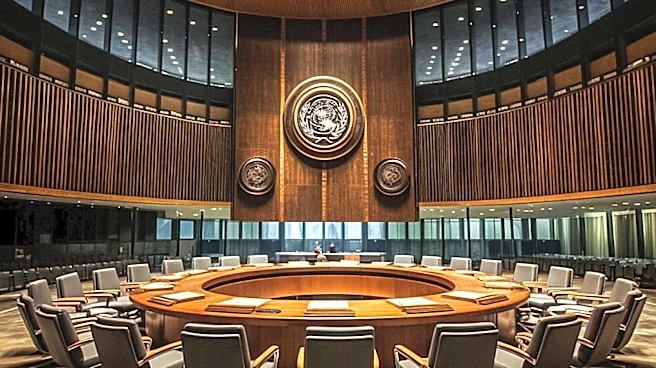
The UN Security Council is expected to discuss the mission's mandate in December, as its current authorization ends on December 31, 2026. The U.S. has indicated it will not support renewing the mission, and a 12-month wind-down of UNSOS is planned from January 2027. The Ugandan People's Defence Forces (UPDF) has not yet disclosed the number of troops being withdrawn, the timeline for their departure, or how this withdrawal relates to the deployment of new battle groups. The handover of security responsibilities to Somali forces remains largely unexplained, raising questions about their capacity to effectively counter al-Shabaab without substantial international ground support. The international community will be closely watching the Security Council talks and the subsequent security developments in Somalia to assess the impact of this significant troop withdrawal.
Beyond the Headlines
The Ugandan troop withdrawal from Somalia underscores the complex and often challenging nature of international peacekeeping and counterterrorism efforts. It highlights the tension between the desire for local ownership of security and the practical realities of capacity building in conflict-affected states. The U.S. stance on not renewing the mission's mandate, coupled with funding cuts, reflects a strategic re-evaluation of its engagement in such operations, potentially shifting towards more targeted interventions like airstrikes. This move could inadvertently place a greater burden on regional allies or lead to a more fragmented approach to security. The long-term implications for Somalia's stability, its ability to govern effectively, and the potential for al-Shabaab to exploit any security gaps are profound. It also raises questions about the sustainability of international support for African-led security initiatives and the future of regional counterterrorism strategies.