






What's Happening?
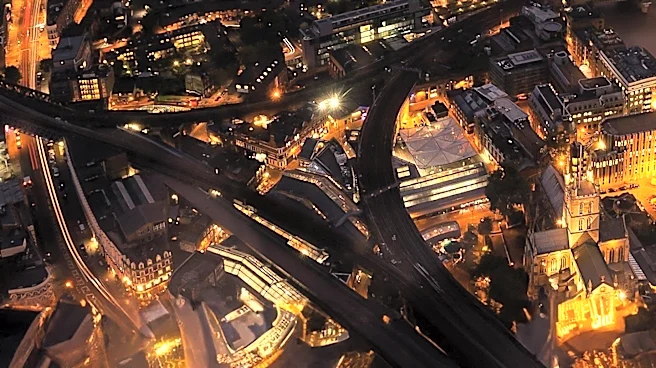
The World Travel & Tourism Council (WTTC) has lauded London as a leading example for urban tourism development, coinciding with global travel industry leaders gathering for World Travel Market (WTM). The WTTC specifically welcomed the launch of a new
traffic-free zone on Oxford Street, a significant investment in the visitor experience delivered by the Mayor of London through the Oxford Street Development Corporation, with support from the UK Government. This initiative underscores London's commitment to attracting more tourism and enhancing its appeal. The city welcomed an estimated 16.4 million international visitors in 2025, positioning it among the top global destinations. The WTTC forecasts a 3.1% growth in Europe's travel and tourism sector in 2026, surpassing the wider economy and exceeding the previous year's 2.6% growth. Gloria Guevara, President & CEO of WTTC, emphasized that London's actions demonstrate the positive outcomes when governments prioritize travel and tourism as a strategic sector, sending a clear message about the city's ambition and investment in visitor experience.
Why It's Important?
London's strategic approach to urban tourism, particularly its investment in infrastructure like the Oxford Street traffic-free zone, serves as a critical case study for other global cities aiming to boost their tourism sectors. This model highlights how government prioritization and investment can directly translate into increased visitor numbers and economic growth. For the U.S., this demonstrates the potential benefits of similar urban planning initiatives and public-private partnerships to enhance city appeal and visitor experience, which can drive local economies. The WTTC's forecast of significant growth in the European travel sector also signals a broader global trend of increasing tourism, suggesting opportunities for U.S. destinations to capture a larger share of international travelers by adopting proactive strategies. The emphasis on treating travel and tourism as a strategic priority can inform U.S. policymakers on the importance of comprehensive planning that includes infrastructure development, connectivity, and skills training to foster sustainable growth in the sector.
What's Next?
The WTTC is actively encouraging governments worldwide to emulate London's example by investing in infrastructure, skills development, sustainable destination management, and connectivity. This call to action suggests a future where more cities might adopt similar strategies to enhance their tourism offerings and economic contributions. For London, the success of the Oxford Street pedestrianization could lead to further urban development projects aimed at improving visitor experience and local quality of life. The ongoing growth in the travel and tourism sector, projected to create one in three new jobs globally over the next decade, indicates a continued focus on this industry as a key economic driver. Governments and industry stakeholders are expected to collaborate more closely to implement policies and investments that support this growth, potentially leading to increased competition among cities to attract tourists and tourism-related businesses.
Beyond the Headlines
The transformation of urban spaces like Oxford Street into traffic-free zones reflects a broader shift in urban planning towards pedestrian-friendly environments and sustainable tourism. This trend goes beyond mere economic benefits, touching upon quality of life for residents, environmental sustainability, and the cultural experience of a city. By prioritizing pedestrian access and reducing vehicular traffic, cities can foster a more enjoyable and immersive experience for tourists, while also contributing to reduced pollution and noise levels. This approach also highlights the evolving expectations of modern travelers, who increasingly seek authentic and less congested urban experiences. The long-term implications include a potential redefinition of urban centers, moving away from car-centric designs towards more human-centric spaces that prioritize walkability, green infrastructure, and cultural engagement, ultimately shaping the future of urban living and tourism.