







What's Happening?
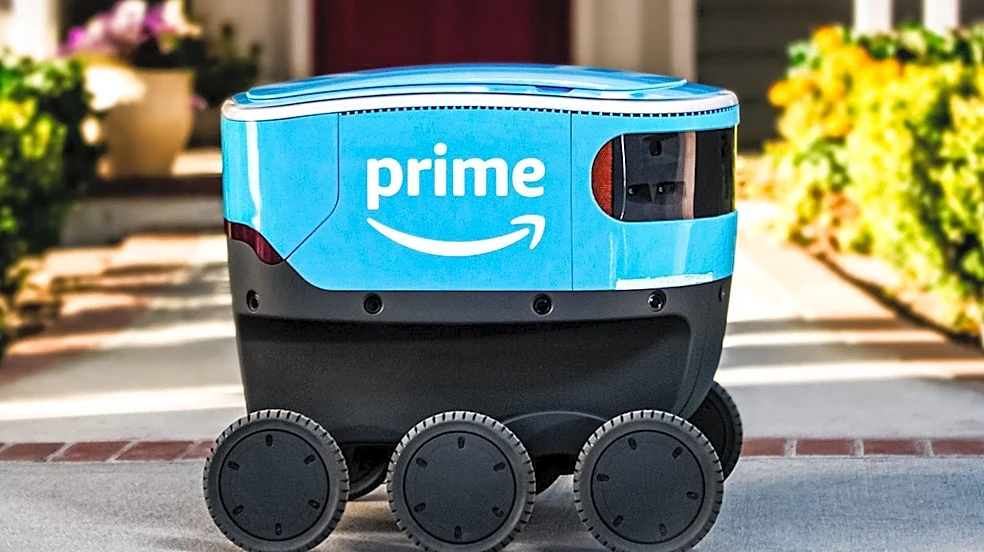
Two separate class-action lawsuits have been filed in Cook County court against Coco Robotics and Serve Robotics, alleging that their delivery robots unlawfully collected customers' biometric data. The lawsuits claim that the robots' cameras and LiDAR
technology scanned customers' faces and hands without their knowledge or consent when they approached the machines to retrieve orders. Specifically, the plaintiffs, Mitchell Breidinger and Barry Schain, allege that the companies violated the Illinois Biometric Information Privacy Act (BIPA). BIPA mandates that companies collecting biometric data must provide written notice, explain the purpose and duration of data retention, and obtain written consent. The lawsuits further claim that the companies retain video and sensor data to train artificial intelligence systems and that this data, including customers' biometric measurements, is stored alongside their names and addresses, linking it to identifiable individuals. Both Coco and Serve Robotics deny these allegations, stating they do not collect biometric information from customers or passersby and that their systems are not designed to identify individuals or create biometric profiles.
Why It's Important?
These lawsuits highlight the increasing legal scrutiny surrounding the collection and use of biometric data by emerging technologies, particularly in the context of artificial intelligence and automated services. The Illinois Biometric Information Privacy Act (BIPA) is a significant piece of legislation that provides strong protections for individuals' biometric information, and these cases could set precedents for how such data is handled by delivery robots and similar autonomous systems nationwide. The potential for statutory damages—$1,000 per negligent violation and $5,000 per intentional or reckless violation—underscores the financial risks companies face if found in violation of BIPA. Beyond the immediate legal implications, the lawsuits contribute to a broader public debate about privacy, surveillance, and the ethical deployment of AI in public spaces. Residents have already voiced concerns about the safety, accessibility, and surveillance capabilities of delivery robots, and these legal challenges could influence regulatory frameworks and public acceptance of these technologies.
What's Next?
The lawsuits will proceed in Cook County court, where both Coco Robotics and Serve Robotics are expected to defend against the allegations. The legal proceedings will likely involve discovery to determine the extent of data collection by the robots and whether the companies adhered to BIPA's requirements for notice, consent, and data retention policies. The outcomes of these cases could lead to significant financial penalties for the companies involved and may prompt other states to consider similar biometric privacy legislation or strengthen existing laws. Furthermore, the ongoing public and governmental scrutiny of delivery robots in Chicago, including a pilot program set to expire in May 2027, suggests that these lawsuits could influence future regulations or even the continuation of such programs. Companies deploying AI-powered technologies that interact with individuals will likely face increased pressure to ensure transparency and obtain explicit consent for any biometric data collection.
Beyond the Headlines
The core of these lawsuits delves into the fundamental question of what constitutes 'biometric data' in the age of advanced AI and how existing privacy laws apply to rapidly evolving technologies. While photographs themselves are generally not considered biometric identifiers under BIPA, the extraction of facial geometry data from images is. This distinction is crucial as AI systems become more sophisticated in analyzing visual information. The cases also raise ethical considerations about the 'black box' nature of AI, where users may not fully understand what data is being collected or how it is being used to train algorithms. The alleged sharing of robot-collected data with third parties like OpenAI further complicates the privacy landscape, highlighting the need for clear data governance and accountability across interconnected technological ecosystems. The debate extends beyond individual privacy to broader societal implications, including the potential for pervasive surveillance and the erosion of anonymity in public spaces as autonomous devices become more common.