




What's Happening?
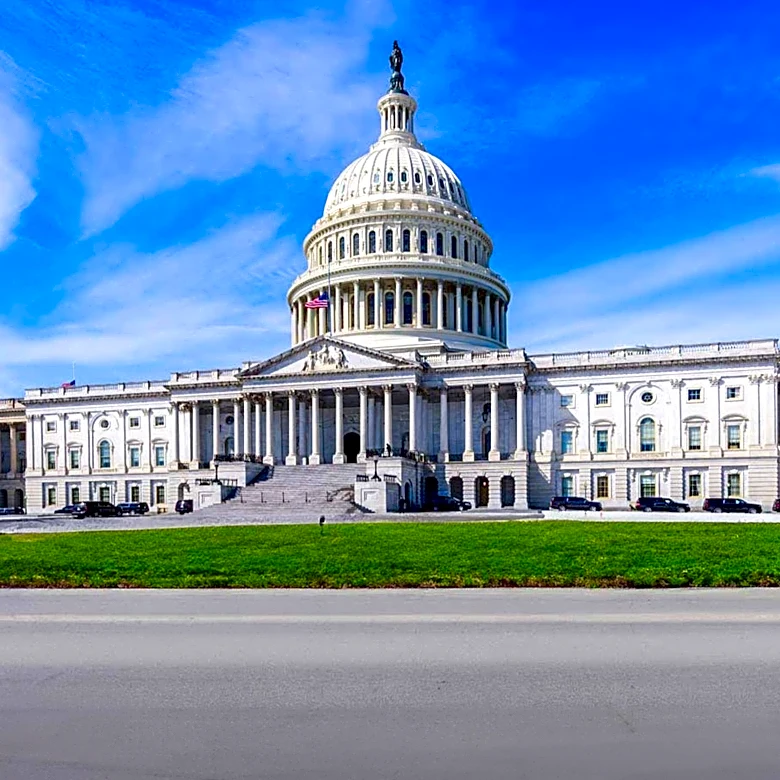
A bipartisan group of U.S. lawmakers, including Senators Mark Warner and Marco Rubio, and Representatives Raja Krishnamoorthi, Rob Wittman, and Chrissy Houlahan, have introduced legislation aimed at improving information sharing between the U.S. Intelligence
Community (IC) and private companies. The proposed bill mandates the Director of National Intelligence (DNI) to develop a strategy for sharing intelligence with private sector companies to counter foreign adversaries, particularly the People's Republic of China (PRC), that pose threats to U.S. interests abroad. The focus is on projects related to critical minerals, which are essential for various technologies. The bill seeks to protect U.S. companies from illicit activities such as misinformation, intellectual property theft, and other illegal tactics used by foreign adversaries to undermine U.S. interests.
Why It's Important?
The legislation is significant as it addresses the growing concerns over foreign interference, particularly from China, in critical mineral projects that are vital for the U.S. economy and national security. By enhancing collaboration between the intelligence community and private companies, the bill aims to safeguard U.S. investments and ensure the security of supply chains for critical minerals. This move is crucial for reducing U.S. dependency on foreign sources, especially China, for these essential resources. The bill also underscores the importance of public-private partnerships in strengthening national security and economic competitiveness in the global market.
What's Next?
If passed, the bill will require the DNI to implement a strategy for voluntary information sharing between the intelligence community and private companies. This could lead to increased collaboration and support for U.S. businesses operating in international markets, particularly in sectors related to critical minerals. The legislation is expected to garner bipartisan support, reflecting a unified stance against foreign adversaries' attempts to disrupt U.S. economic interests. The next steps involve legislative discussions and potential amendments before the bill can be enacted into law.