



What's Happening?
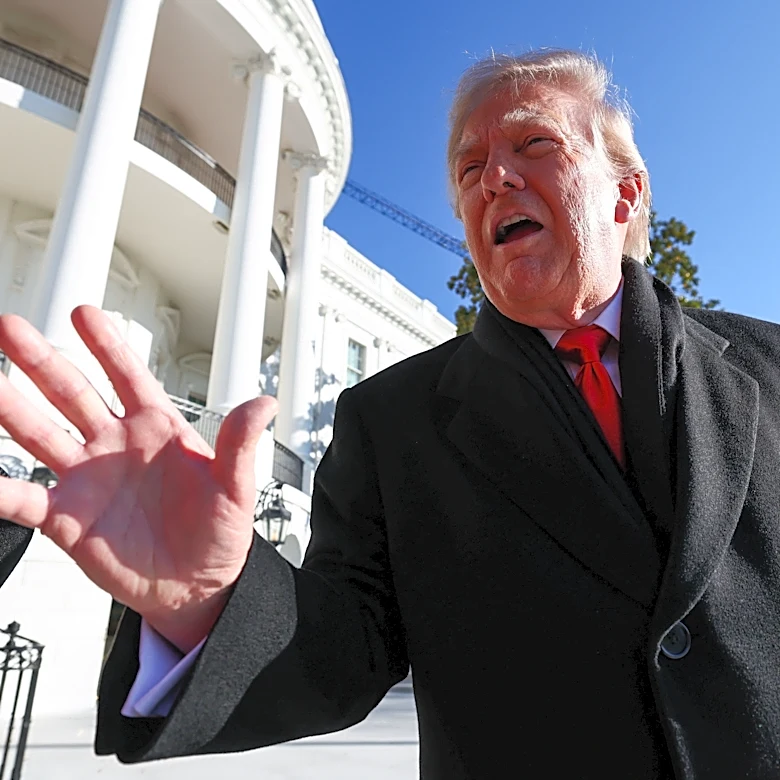
Secretary of State Marco Rubio sought to reassure Americans that recent widespread service outages affecting major U.S. institutions, including Microsoft, Chase Bank, air traffic control, and the National Security Agency, are not linked to a coordinated
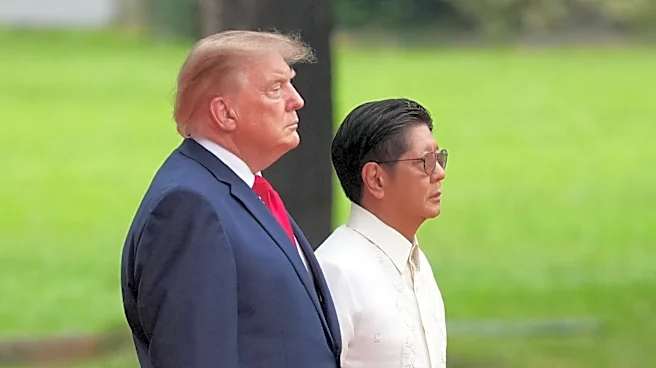
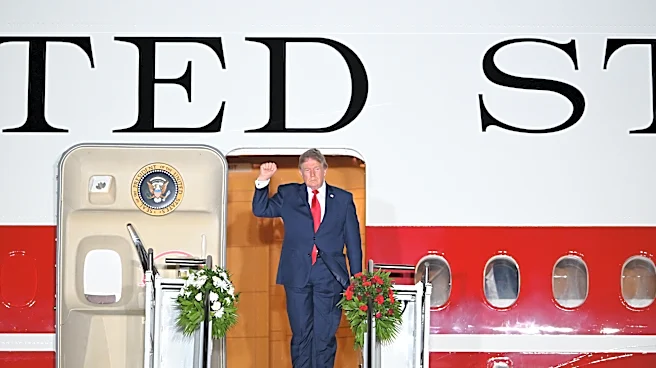
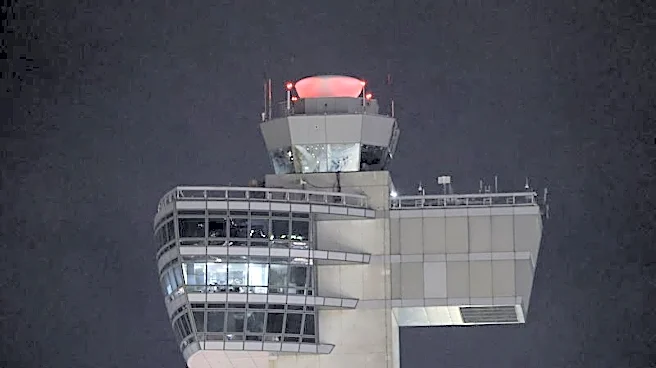
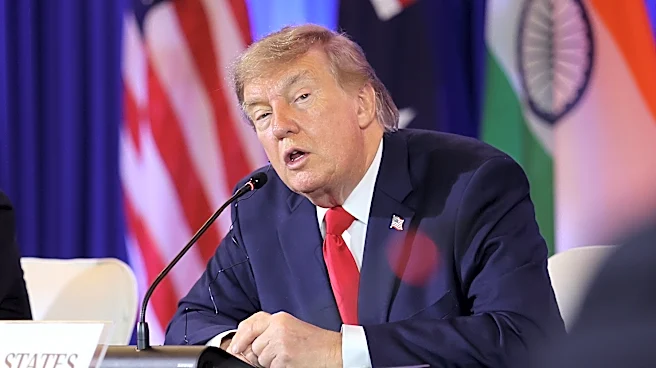
cyberattack or a malign actor. Speaking from Manila, Rubio stated there is "zero evidence" to suggest such a connection, attributing the disruptions to isolated technical issues. This statement comes as President Trump, also in Manila, dismissed the outages as normal occurrences, saying, "It's life. When you're big and powerful and you have all the money, things like that happen. It's fine." The series of outages began with Microsoft's email and tools, followed by a nationwide FAA ground stop due to a router upgrade, and then banking disruptions at JPMorgan Chase caused by a software bug. The National Security Agency also experienced an internal network outage attributed to routine maintenance.
Why It's Important?
The cascade of technical failures has sparked significant public concern and criticism, even among President Trump's allies, regarding the transparency and accountability of the administration and major institutions. The incidents highlight the vulnerabilities of interconnected technological networks that underpin critical U.S. infrastructure, from financial systems to air travel and national security communications. The public's distrust, fueled by a perceived lack of clear explanations, underscores the importance of effective crisis communication from government and corporate entities. The disruptions have tangible impacts on daily life, affecting millions of Americans' ability to work, travel, and access financial services, raising questions about the resilience of the nation's digital backbone and the potential for future, more severe, disruptions.
What's Next?
The immediate focus will likely be on continued investigations by the affected companies and government agencies to fully understand the root causes of each outage and implement preventative measures. Public and political pressure for greater transparency and accountability from the White House and other institutions is expected to persist. While Secretary Rubio and Director of National Intelligence Jay Clayton have dismissed cyberattack theories, the incidents may prompt a re-evaluation of cybersecurity protocols and infrastructure investment across critical sectors. The debate over the aging U.S. infrastructure, including telecommunications networks, is likely to intensify, potentially leading to renewed calls for modernization efforts to prevent future widespread disruptions.
Beyond the Headlines
The recent outages expose a deeper societal anxiety about the reliability and security of modern technological systems, particularly in an era of increasing digital dependence. The public's skepticism, even in the absence of evidence for a coordinated attack, reflects a broader concern about the fragility of interconnected systems and the potential for cascading failures. This situation also touches upon the challenge of maintaining public trust in official narratives, especially when explanations for complex technical issues are perceived as insufficient or dismissive. The incidents could serve as a catalyst for a more robust national dialogue on digital resilience, infrastructure investment, and the balance between technological advancement and systemic vulnerability, potentially influencing future policy decisions related to cybersecurity and critical infrastructure protection.